
To choose the right fiber laser cutting machine, first define your material, daily cutting thickness, sheet size, production volume, edge quality, and budget. Then match these needs with the right laser power, bed size, machine structure, gas system, automation level, safety features, and supplier support.
Do not choose only by the highest laser power, lowest machine price, or maximum advertised cutting thickness. A good fiber laser cutting machine should cut your common materials every day with stable quality, reasonable speed, and low downtime.
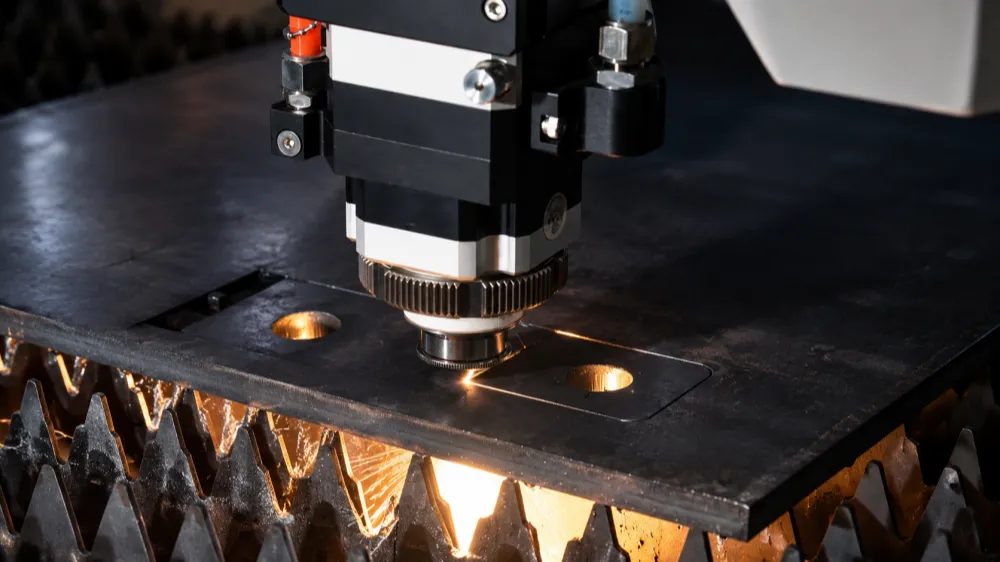
The most important buying rule is simple:
Choose for stable daily production, not rare maximum cutting jobs.
If you already know your material, thickness, and sheet size, you can compare machine configurations more clearly. For standard sheet metal work, many buyers start by reviewing a fiber laser cutting machine for sheet metal fabrication before deciding whether they need higher power, a larger bed, or automation.
Quick Answer: What Should You Check Before Choosing a Fiber Laser Cutting Machine?
Before requesting a quote, prepare these details:
- Main material: carbon steel, stainless steel, aluminum, brass, or copper
- Normal daily cutting thickness
- Maximum thickness you need to cut
- Common sheet size
- Daily working hours
- Required cutting accuracy
- Required edge quality
- Budget range
- Need for single table, exchange table, enclosure, or automation
- Factory power, gas, space, and ventilation conditions
These details help the supplier recommend a realistic configuration instead of only selling a higher-power machine.
Fiber Laser Cutting Machine Selection Checklist
Use this checklist before comparing suppliers or requesting a quotation.
| Decision Factor | What to Check | Why It Matters |
|---|---|---|
| Material | Carbon steel, stainless steel, aluminum, brass, copper | Different metals need different power, gas, and cutting settings. |
| Normal thickness | The thickness you cut every day | This should guide your laser power choice. |
| Maximum thickness | The thickest plate you may cut | Useful for occasional jobs, but should not be the only buying factor. |
| Sheet size | Common sheet length and width | Decides the machine bed size. |
| Laser power | 1.5kW, 3kW, 6kW, 12kW, or higher | Affects speed, thickness range, and cost. |
| Machine structure | Bed, beam, guide rails, rack, servo system | Affects accuracy, stability, and service life. |
| Cutting head | Autofocus, piercing ability, lens protection | Affects cutting quality and maintenance. |
| Gas system | Oxygen, nitrogen, compressed air | Affects edge quality and operating cost. |
| Automation | Exchange table, loader, nesting software | Reduces labor and loading time. |
| Safety | Enclosure, fume extraction, emergency stop | Protects operators and improves factory safety. |
| Supplier support | Training, spare parts, warranty, remote support | Reduces downtime after purchase. |
| Total cost | Machine price, gas, power, consumables, service | Shows the real cost of ownership. |
Need help choosing the right fiber laser cutter? Prepare your material, thickness, sheet size, and daily cutting volume before requesting a machine recommendation.
Maximum Cutting Thickness Is Not the Same as Production Thickness
Maximum cutting thickness is one of the most common buying traps.
A machine may cut through a thick plate in a test video. But that does not always mean it can cut that thickness every day with clean edges, good speed, and low failure rates.
You should separate three terms:
| Term | What It Means | Why Buyers Should Care |
|---|---|---|
| Maximum cut-through thickness | The thickest plate the machine may cut under certain conditions | Useful for occasional jobs, but not always practical for production. |
| Stable production thickness | The thickness the machine can cut repeatedly with acceptable quality and speed | This should guide your buying decision. |
| Economic cutting thickness | The thickness range where speed, gas cost, and edge quality make business sense | This affects your real profit. |
For example, if your factory cuts 2–8 mm stainless steel every day and only cuts 16 mm plate once a month, do not choose the machine only for the rare 16 mm job.
You may get better ROI by choosing a machine optimized for daily work and outsourcing rare thick cutting jobs.
Key point: A fiber laser cutting machine should be selected for your normal production thickness first, then checked against your maximum thickness requirement.
Choose a Fiber Laser Cutting Machine by Material Type
The first step in choosing a fiber laser cutting machine is knowing your main material.
A machine that works well for thin stainless steel may not be the best choice for thick carbon steel. A machine used for carbon steel production may also need a different gas setup than one used for clean stainless steel edges.
Most industrial fiber laser cutting machines are used for these metals:
| Material | Common Applications | What to Watch |
|---|---|---|
| Carbon steel | Machinery parts, frames, brackets, construction parts | Oxygen cutting is common, but edges may oxidize. |
| Stainless steel | Kitchenware, cabinets, medical parts, decorative metal | Nitrogen is often used for cleaner edges. |
| Aluminum | Automotive parts, panels, electronics, signage | Needs stable cutting settings and good process control. |
| Brass | Decorative parts, electrical parts, precision components | Reflective metal; supplier experience matters. |
| Copper | Electrical parts, busbars, conductive parts | Highly reflective; needs the right power and setup. |
Do not choose a machine only because the supplier says it “can cut” a material.
Ask this instead:
Can this machine cut my material at the thickness, speed, edge quality, and daily volume I need?
That question is much more useful than a simple material list.
Choose the Right Fiber Laser Power for Your Cutting Thickness
Laser power affects cutting thickness, cutting speed, piercing ability, machine price, gas use, and production capacity.
But higher power is not always the best choice.
A 12kW fiber laser cutting machine can be a strong investment for high-volume thick plate cutting. But for a small workshop cutting mostly 1–6 mm sheet metal, it may increase cost without enough return.
Use laser power as a production match, not a status symbol.
Fiber Laser Power Selection Guide
| Main Production Need | Common Work Type | Suggested Power Range | Best Fit |
|---|---|---|---|
| Thin sheet work | Light stainless steel, carbon steel, signage, cabinets | 1.5kW–3kW | Small shops, light fabrication, lower budget |
| General sheet metal fabrication | Mixed carbon steel, stainless steel, aluminum | 3kW–6kW | Most medium workshops and job shops |
| Medium-thickness production | Regular cutting of thicker sheets | 6kW–8kW | Factories needing more speed and flexibility |
| Heavy plate production | Thick carbon steel or high daily cutting volume | 10kW–12kW+ | Heavy machinery and structural parts |
| High-volume industrial cutting | Long shifts, large batches, strict delivery times | 12kW+ with automation | Large factories and production lines |
These ranges are a starting point. Real cutting ability depends on material grade, gas type, edge quality requirement, cutting speed, lens condition, machine rigidity, and cutting parameters.
1.5kW–3kW Fiber Laser Cutting Machines
A 1.5kW–3kW fiber laser cutter is often suitable for thin sheet metal.
It can work well for:
- Cabinets
- Signage
- Electrical boxes
- Light brackets
- Thin stainless steel parts
- Thin carbon steel parts
- Small sheet metal workshops
This power range is attractive because the purchase cost is lower. It can be a good starting point for businesses moving from outsourcing, plasma cutting, or older cutting methods.
But it may not be ideal if you often cut thicker plate or need high-speed production every day.
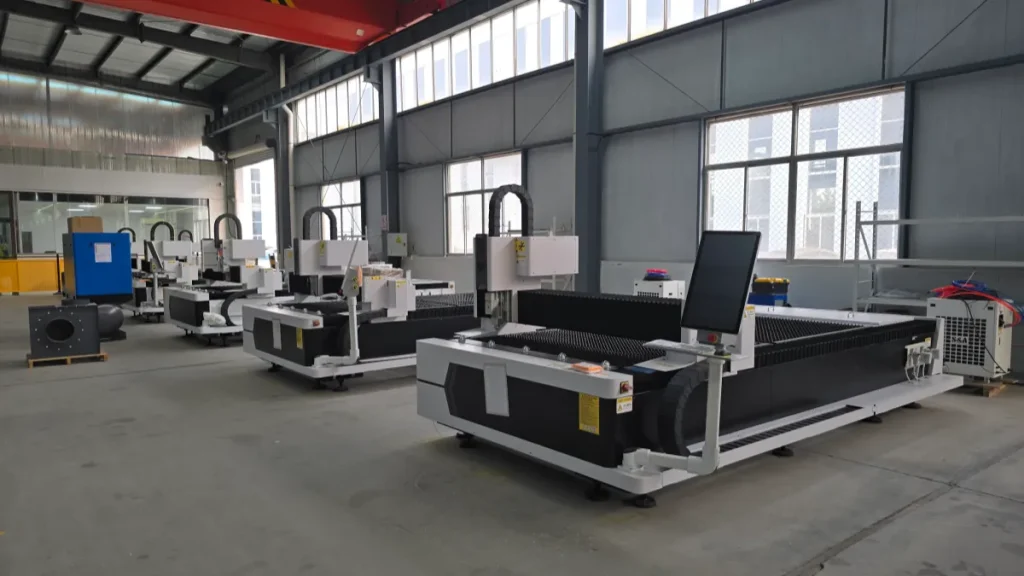
6kW Fiber Laser Cutting Machines
A 6kW fiber laser cutting machine is often a practical middle range.
It gives better flexibility for factories that cut different materials and thicknesses. This range is common in general sheet metal fabrication because it balances cutting ability, speed, and cost.
It is worth considering if you cut:
- Mixed carbon steel and stainless steel
- Medium-thickness sheets
- Aluminum parts
- Regular production batches
- Jobs that need better speed than entry-level machines
For many factories, this is where fiber laser cutting becomes a real production upgrade.
12kW+ Fiber Laser Cutting Machines
Higher-power fiber laser cutting machines are best for factories that need speed, thickness capacity, and long working hours.
They are more suitable for:
- Heavy machinery parts
- Thick carbon steel cutting
- Large batch production
- High daily workload
- Factories replacing slower cutting systems
- Production lines where cutting time affects delivery speed
However, higher power also requires stronger support systems. You may need better gas supply, stronger machine structure, reliable cooling, trained operators, and faster service support.
Do not buy a high-power machine unless your production volume can justify it.
Send your material type, normal thickness, maximum thickness, and sheet size before asking for a power recommendation. This helps avoid both underbuying and overbuying.
Recommended Fiber Laser Cutting Machine by Buyer Type
If you are still unsure where to start, use this table as a simple decision guide.
| Buyer Type | Main Work | Recommended Direction |
|---|---|---|
| Small sheet metal shop | Thin stainless steel and carbon steel | 1.5kW–3kW, 3015 single table |
| General fabrication factory | Mixed sheet metal work | 3kW, 3015 or 4020, optional exchange table |
| High-volume manufacturer | Long shifts and batch cutting | 6kW–12kW+, exchange table or automation |
| Thick plate factory | Heavy carbon steel cutting | 12kW+, strong bed, stable gas supply |
| Sheet and tube workshop | Sheets, pipes, square tubes, and profiles | Sheet-and-tube combo machine or separate tube laser |
This table is not a final quotation. It is a starting point for discussion with a technical supplier.
Select the Right Bed Size for Your Fiber Laser Cutting Machine
The bed size decides the largest sheet you can process.
A common format is 3015, which usually means a working area of about 1500 × 3000 mm. Larger formats are used when factories need to process bigger sheets or reduce loading frequency.
| Machine Format | Best For | Advantages | Watch-Outs |
|---|---|---|---|
| 3015 single table | Standard sheet metal cutting | Lower cost, common format, easier installation | Loading and unloading can stop cutting. |
| 3015 exchange table | Higher production with standard sheet size | Reduces waiting time between sheets | Higher cost and more floor space. |
| 4020 / 6020 large-format machine | Large sheets and bigger parts | Fewer sheet changes, larger cutting area | Needs more space and stronger handling. |
| Enclosed machine | Safer and cleaner operation | Better fume control and operator protection | Higher cost and may slow manual loading. |
| Sheet-and-tube combo machine | Shops cutting both sheets and pipes | More flexible than a sheet-only machine | Not as efficient as a dedicated tube laser for heavy tube work. |
Single Table or Exchange Table?
A single table machine is enough for many small and medium workshops.
Choose an exchange table if loading and unloading slow down production. The exchange table lets operators prepare the next sheet while the machine is cutting.
- If the machine often waits for loading, consider an exchange table.
- If cutting jobs are low-volume and mixed, a single table may be enough.
Open Type or Enclosed Type?
Open machines are easier to load and usually cost less.
Enclosed machines improve safety and help control smoke, dust, and laser exposure. They are often better for factories with stricter safety requirements or indoor production areas.
For high-power cutting, an enclosed design is often worth considering.
Do You Need Tube Cutting Too?
If you only cut flat sheet, choose a sheet cutting machine.
If you cut pipes, square tubes, round tubes, or profiles every day, consider a dedicated tube laser. If you cut tubes only sometimes, a sheet-and-tube combo machine may be enough.
Compare Fiber Laser Cutting Machine Components Before Buying
Two fiber laser cutting machines may look similar in photos but perform very differently in production.
The difference often comes from the structure and core components.
| Component | What to Check | Why It Matters |
|---|---|---|
| Machine bed | Welded structure, weight, stress relief, rigidity | Reduces vibration and helps maintain accuracy. |
| Beam | Aluminum beam or steel beam quality | Affects speed, motion stability, and accuracy. |
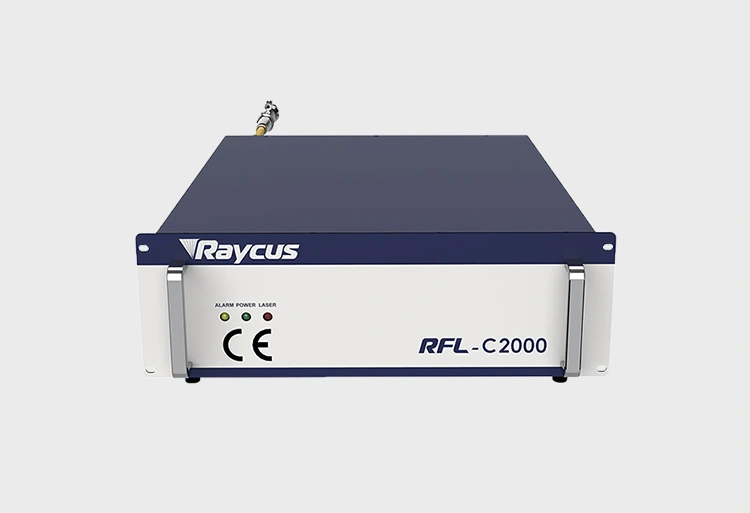
| Laser source | Brand, power, warranty, service access | Affects beam quality and long-term reliability. |
| Cutting head | Autofocus, lens protection, piercing ability | Affects cutting quality and maintenance. |
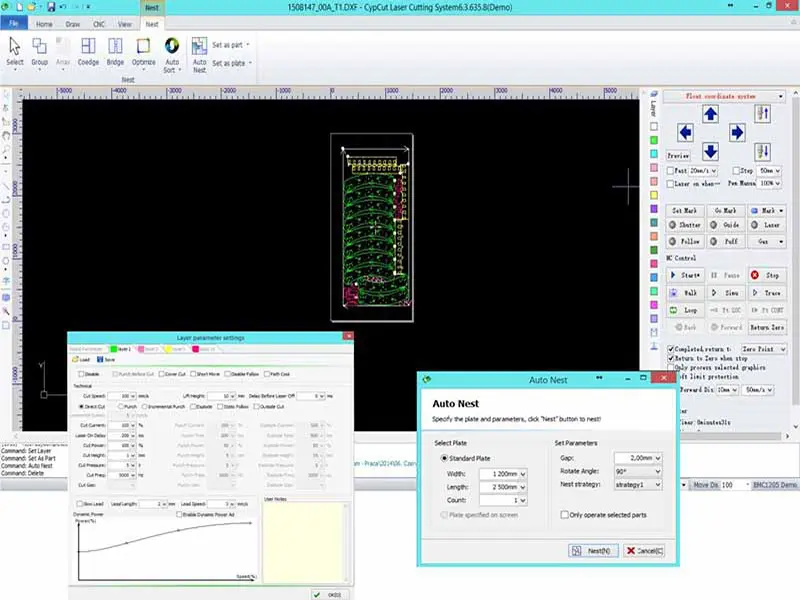
| CNC controller | Software, nesting, cutting database, ease of use | Affects operator efficiency. |
| Servo system | Brand, response speed, stability | Affects movement accuracy. |
| Guide rails | Brand and precision grade | Affects smooth motion and long-term accuracy. |
| Rack and pinion | Quality and installation accuracy | Affects cutting precision and repeatability. |
| Chiller | Cooling capacity and stability | Protects the laser source and cutting head. |
| Gas circuit | Oxygen, nitrogen, air support | Affects cutting quality and operating cost. |
| Electrical parts | Layout, safety, brand quality | Affects reliability and maintenance. |
A weak machine structure can waste the value of a powerful laser source.
For example, a high-power laser may cut fast in a straight line. But if the motion system is unstable, accuracy can drop during corners, holes, and small details.
This is why you should compare full configurations, not only laser power.
Understand Assist Gas and Edge Quality
A fiber laser cutting machine needs assist gas to remove molten material, protect the cutting area, and control edge quality. The main gas options are oxygen, nitrogen, and compressed air.
Assist gas choice affects cutting speed, edge color, oxidation, operating cost, and whether the part needs secondary finishing. For a deeper explanation, read our full guide to assist gas in laser cutting.
| Gas Type | Best Used For | Edge Quality | Cost Consideration |
|---|---|---|---|
| Oxygen | Carbon steel and thicker cutting | Can leave oxidized edges | Lower pressure, but may require edge cleaning. |
| Nitrogen | Stainless steel, aluminum, and clean-edge cutting | Cleaner, brighter, less oxidized edges | Higher gas cost, especially for long cutting hours. |
| Compressed air | Some thin sheet and cost-sensitive cutting | Acceptable for many non-decorative parts | Lower cost, but edge color and quality may vary. |
Oxygen Cutting
Oxygen is commonly used for carbon steel. It supports the cutting reaction and can help cut thicker steel. The downside is oxidation. If the parts need painting, welding, or a cleaner surface, extra edge treatment may be needed.
Nitrogen Cutting
Nitrogen is often used for stainless steel and aluminum when clean edges matter. It helps reduce oxidation and can produce better edge quality, but gas cost can be higher, especially for thick materials or long daily cutting hours.
Air Cutting
Compressed air can reduce operating cost for some applications. It may be suitable when edge color is not critical. But it will not always match nitrogen cutting quality, especially for parts with strict appearance or finishing needs.
Before buying a machine, ask the supplier to test your material with the same assist gas you plan to use in production.
Consider Automation Based on Production Volume
Automation is useful when labor, loading time, or batch production limits your output.
But not every buyer needs full automation.
| Automation Option | Best For | Main Benefit | When to Skip |
|---|---|---|---|
| Exchange table | Medium to high daily cutting volume | Reduces loading downtime | Low-volume custom jobs |
| Automatic loading | Large batches and long shifts | Reduces manual labor | Small workshops with mixed jobs |
| Automatic unloading | Repeated production | Improves workflow | Low output or limited space |
| Nesting software | Factories cutting many parts | Improves material use | Rarely worth skipping |
| Production monitoring | Larger factories | Tracks output and machine status | Small shops with simple workflow |
When Automation Is Worth It
Automation is worth considering if:
- The machine runs many hours per day.
- Operators spend too much time loading sheets.
- You cut large batches.
- Labor cost is high.
- Delivery speed is important.
- You want more stable production planning.
When You Can Skip Automation
You may not need automation if:
- You cut low volumes.
- Jobs change often.
- Budget is limited.
- Workshop space is small.
- Manual loading does not delay production.
A good first upgrade is often an exchange table. It improves efficiency without making the whole system too complex.
Calculate Fiber Laser Cutting Machine Cost and ROI
Do not compare machines only by purchase price.
A fiber laser cutting machine has both initial cost and long-term operating cost.
| Cost Item | What It Includes | Why It Matters |
|---|---|---|
| Machine purchase | Laser source, bed, controller, cutting head, chiller | Main investment |
| Shipping and installation | Freight, unloading, setup, training | Can be significant for large machines |
| Electricity | Laser source, chiller, compressor, dust collector | Affects daily cost |
| Assist gas | Oxygen, nitrogen, air | Can be a major production cost |
| Consumables | Nozzles, protective lenses, ceramics, filters | Needed for stable cutting |
| Maintenance | Cleaning, lubrication, lens checks, chiller care | Prevents downtime |
| Labor | Operators, loading, unloading, programming | Affects cost per part |
| Downtime | Waiting for parts, service, repairs | Can cost more than small price savings |
| Software | Nesting, cutting database, updates | Affects material use and efficiency |
Initial Price vs Real Operating Cost
A low-price machine may save money at purchase. But if it has weak support, unstable cutting, poor component quality, or slow service, the long-term cost can be higher.
When comparing quotations, ask:
- What components are included?
- What is the laser source warranty?
- What spare parts are included?
- Are installation and training included?
- How fast can the supplier provide service?
- Are cutting parameters and software support included?
- What consumables need regular replacement?
Simple ROI Questions Before Buying
Before choosing a machine, answer these questions:
- How many hours will the machine run each day?
- What materials and thicknesses make up most of your work?
- How much do you currently spend on outsourcing?
- How much labor can the machine save?
- How much scrap can better nesting reduce?
- How important is faster delivery time?
- What is the cost if the machine stops for one day?
These questions help you choose a machine based on value, not just price.
Check Safety and Factory Conditions Before Buying
A fiber laser cutting machine is industrial equipment. Safety and installation conditions matter.
Laser cutting may involve bright light, fumes, hot metal, and electrical risk. For general workplace laser safety context, you can review the OSHA laser hazards overview.
Laser Safety Features to Check
| Safety Item | Why It Matters |
|---|---|
| Enclosed cover | Helps reduce laser exposure and control cutting smoke. |
| Protective viewing window | Allows safer observation. |
| Emergency stop button | Stops the machine quickly in unsafe conditions. |
| Door interlock | Stops operation when the enclosure is opened. |
| Warning labels | Helps operators understand risk areas. |
| Fume extraction | Removes smoke and dust from cutting. |
| Grounding protection | Reduces electrical risk. |
| Operator training | Prevents unsafe operation and machine damage. |
High-power laser cutting can create bright light, fumes, hot metal, and fire risk. Operators should be trained before production starts.
Factory Preparation Checklist
Check these items before installation:
- Enough floor space for the machine and loading area
- Machine can enter through the factory door
- Floor is flat and strong enough
- Power supply matches machine requirements
- Stable grounding is available
- Oxygen, nitrogen, or air supply is prepared
- Air compressor is suitable if using air cutting
- Ventilation or dust extraction is planned
- Chiller space and water maintenance are considered
- Operators have time for training
Many buying problems happen because the machine arrives before the factory is ready.
Ask for a Cutting Test Before You Buy
A sample cutting test is one of the best ways to reduce buying risk.
Product videos can be helpful, but they may not show your material, thickness, or edge quality requirement. A real cutting test gives you better proof.
Before buying, send the supplier:
- Material type
- Material thickness
- Drawing file
- Required edge quality
- Required tolerance
- Expected production speed
- Photos of current parts, if available
Ask for sample photos or videos. If possible, ask for a sample part shipped to you.
CTA: Before ordering, ask for a sample cutting test using your own material, thickness, and drawing. This gives you better proof than a general product video.
Evaluate the Fiber Laser Cutting Machine Supplier
Supplier support can be as important as machine configuration.
A fiber laser cutting machine is not a small tool. You need installation help, training, spare parts, and technical support after delivery.
Compare Quotations by Configuration, Not Only Price
Use this table when comparing suppliers.
| Item to Compare | Supplier A | Supplier B | Notes |
|---|---|---|---|
| Laser source | Brand, power, warranty | ||
| Cutting head | Autofocus, lens protection | ||
| CNC controller | Ease of use, nesting, cutting database | ||
| Servo system | Brand and motion performance | ||
| Guide rails | Precision and durability | ||
| Rack and pinion | Affects repeatability | ||
| Machine bed | Weight, structure, stress relief | ||
| Chiller | Cooling capacity | ||
| Gas system | Oxygen, nitrogen, air support | ||
| Software | Nesting and programming | ||
| Installation | Online or on-site | ||
| Training | Operator and maintenance training | ||
| Spare parts | Included or optional | ||
| Warranty | Machine and laser source terms | ||
| Service response | Remote support and parts lead time |
If one machine is much cheaper, check what was removed from the configuration.
The price difference may come from the laser source, cutting head, controller, bed structure, servo system, or service package.
Common Mistakes When Choosing a Fiber Laser Cutting Machine
Mistake 1: Choosing Only by Lowest Price
A low price is attractive, but it should not be the only reason to buy.
If the machine has unstable cutting, poor support, or hard-to-find spare parts, downtime can cost more than the price difference.
Mistake 2: Buying Power for Rare Jobs
Do not choose power based only on the thickest plate you might cut once in a while.
Choose based on the material and thickness you cut every day.
Mistake 3: Ignoring Gas and Compressor Requirements
Gas affects both cutting quality and operating cost.
If you plan to use compressed air, make sure your compressor and air quality are suitable. If you plan to use nitrogen, estimate the gas cost before buying.
Mistake 4: Comparing Only Maximum Thickness Charts
Maximum cutting thickness is not the same as stable production thickness.
Ask suppliers for realistic cutting data and sample cutting results.
Mistake 5: Ignoring Machine Structure
A powerful laser source cannot fix a weak machine frame or poor motion system.
For high-speed or thick cutting, rigidity and motion control are important.
Mistake 6: Forgetting After-Sales Service
Even a good machine needs support.
Before buying, confirm training, manuals, spare parts, warranty, and remote service.
Final Buying Checklist Before Requesting a Quote
Before you contact a supplier, prepare this information:
| Information to Prepare | Example |
|---|---|
| Main material | Carbon steel, stainless steel, aluminum |
| Normal thickness | 2–8 mm daily cutting |
| Maximum thickness | 16 mm occasional cutting |
| Sheet size | 1500 × 3000 mm, 2000 × 4000 mm |
| Cutting volume | 4 hours/day, 8 hours/day, 2 shifts/day |
| Required edge quality | Clean edge, welding-ready edge, no oxidation |
| Required accuracy | General fabrication or precision parts |
| Current process | Plasma, outsourcing, CO₂ laser, old fiber laser |
| Factory space | Available floor area and loading path |
| Gas plan | Oxygen, nitrogen, compressed air |
| Automation need | Single table, exchange table, loader |
| Budget range | Entry-level, mid-range, high-production |
| Support needs | Installation, training, spare parts, remote service |
A supplier can give a much better recommendation if you provide these details first.
Need help choosing the right fiber laser cutting machine? Send us your material type, normal cutting thickness, maximum thickness, sheet size, and daily cutting hours. Our team can recommend a suitable power, bed size, and machine configuration.
FAQs About Choosing a Fiber Laser Cutting Machine
Look at material type, normal cutting thickness, maximum sheet size, laser power, machine bed, cutting head, controller, gas system, safety features, supplier support, and total operating cost. Do not choose only by price or maximum cutting thickness.
It depends on your material, thickness, cutting speed, and daily workload. Thin sheet work may only need 1.5kW–3kW. General sheet metal fabrication often uses 3kW–6kW. Thick plate or high-volume production may need 12kW or higher.
A 3kW fiber laser cutter can be enough for many thin sheet metal jobs. It is often suitable for small workshops, light fabrication, cabinets, signage, and thin stainless steel or carbon steel parts. It may not be the best choice for regular thick plate cutting.
No. Higher power can improve speed and thickness capacity, but it also increases machine cost and may require stronger gas, cooling, structure, and service support. Choose power based on your daily production work, not only rare thick cutting jobs.
Maximum cutting thickness means the machine may cut through the material under certain conditions. Production thickness means the machine can cut that thickness repeatedly with stable quality, good speed, and fewer failures. Production thickness is more important for real factory use.
Compare suppliers by full configuration, not only price. Check the laser source, cutting head, controller, servo system, guide rails, machine bed, chiller, software, warranty, spare parts, training, sample cutting ability, and service response.