
Laser cleaning historical artifacts is a new technology that is changing how we save priceless art. For years, experts have struggled to remove dirt and damage from old objects without harming them. This non-contact method offers a safe and controlled solution. For example, during the restoration of Donatello’s famous bronze statue of David, lasers not only cleaned the surface but also revealed tiny bits of gold leaf that no one knew existed. This article explains how laser cleaning works, how it compares to older methods, and why it’s a game-changer for preserving our shared history.
What is Laser Cleaning and How Does It Work?
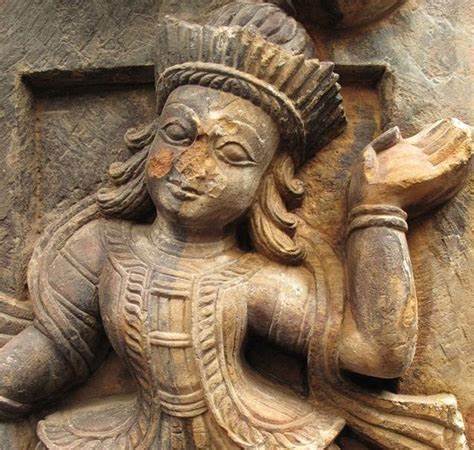
Laser cleaning works through a process called photoablation. Think of it as a super-focused beam of light that zaps away unwanted material. When the laser hits the surface, the dirt, soot, or rust absorbs the light energy and instantly turns into vapor, lifting it away from the object without ever touching it.
The key to this process is control. Experts carefully adjust the laser’s settings, like its wavelength (color) and pulse, to target only the grime. The dark layer of dirt absorbs the light, while the lighter, original surface underneath reflects it. This makes the process “self-limiting.” Once the dirt is gone, the laser light bounces off the clean surface and the cleaning action stops automatically, preventing any damage.
Laser Cleaning vs. Traditional Methods: A New Standard of Care
For a long time, art conservators used mechanical and chemical methods to clean artifacts. While these techniques can work, they come with serious risks that laser technology avoids.
The Risks of Traditional Cleaning
Old-school cleaning methods are often invasive. Mechanical methods, like using tiny scalpels or sandblasting, involve physical force that can easily scratch, chip, or wear away fragile surfaces. Chemical methods use solvents to dissolve dirt, but these strong liquids can soak into the artifact, cause permanent damage, leave behind harmful chemicals, and create toxic waste.
The Laser Advantage: Precision, Safety, and Control
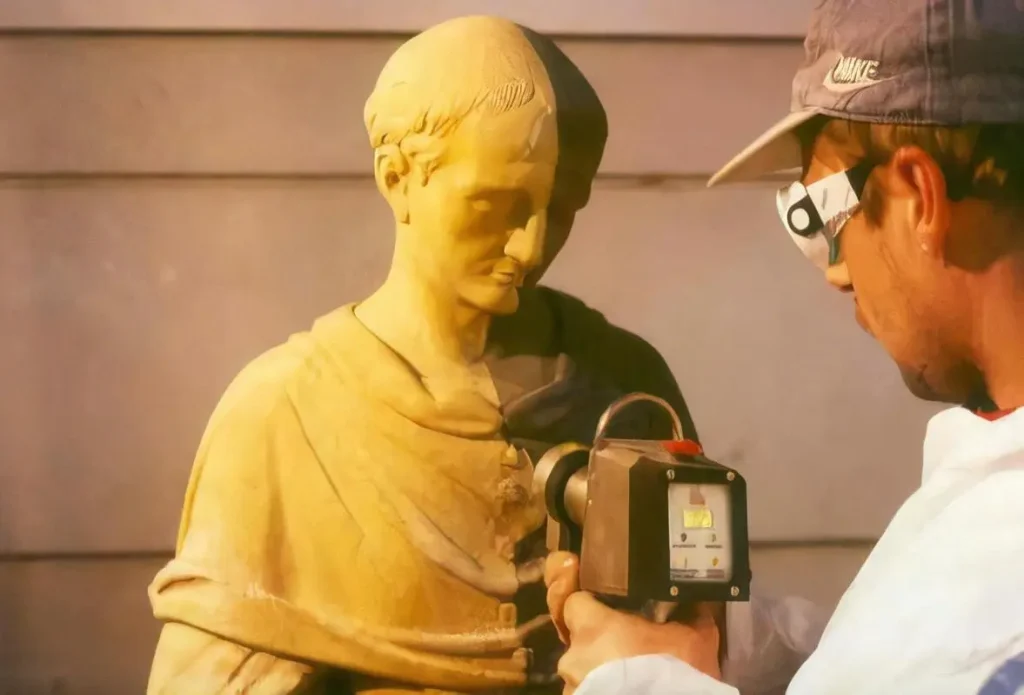
Laser cleaning is a much better option because it solves the biggest problems of older methods. The main benefits are:
- Unmatched Precision: A laser can be focused on a microscopic spot, allowing experts to clean tiny details without touching the areas around them.
- Non-Contact & Non-Abrasive: Only light touches the artifact. This eliminates the risk of physical damage, which is critical for delicate or crumbling objects.
- Highly Selective: The laser is set up to remove the dark layer of grime while leaving the lighter original surface unharmed.
- Environmentally Friendly: The process uses no chemicals and creates no waste. The dirt that is vaporized is simply collected by a suction system.
Success Stories: Putting Laser Cleaning to the Test on World Treasures
The best way to see the power of laser artifact restoration is to look at how it has saved some of the world’s most famous artworks.
Restoring the Parthenon Marbles
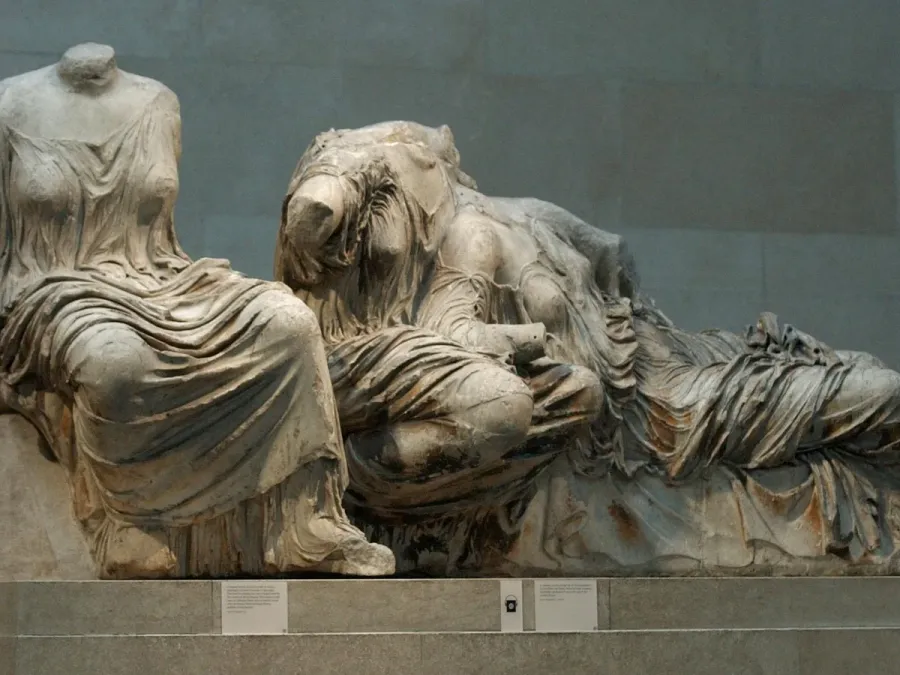
The famous marble sculptures of the Parthenon were covered in a thick, black crust from centuries of pollution. Early tests showed that a standard laser could remove the crust but also left an ugly yellow stain on the marble. To fix this, scientists developed a special “two-wavelength” laser system that used both an infrared and an ultraviolet beam at the same time. This new approach cleaned the grime off perfectly without causing any discoloration. The restoration was even done in public at the Acropolis Museum, showing everyone how safe the technology is.
Revealing the True Radiance of Donatello’s David
When it was time to clean Donatello’s bronze David, conservators faced a huge challenge. They needed to remove layers of grime and old wax without harming the delicate surface or any fragile gold that might be on it. They chose a special, gentler laser for the job. The result was incredible. The laser safely cleaned the statue and, in the process, uncovered faint traces of the original gold leaf on David’s hair and boots—a discovery that would have been impossible with any other method.
Other Notable Applications
Laser cleaning has been used successfully on many other projects around the world, including:
- Cleaning the iconic Christ the Redeemer statue in Brazil.
- Removing grime and old glue from ancient Egyptian painted wooden coffins.
- Restoring a wide variety of materials, from stone and metal to wood and ceramics.
A Calculated Risk: Challenges and Ethical Questions
Even with its amazing benefits, laser cleaning is a powerful tool that must be used carefully. It is not a perfect solution for every situation.
Potential Side Effects and Limitations
- Discoloration: If the laser settings aren’t just right for the material, it can cause unwanted color changes, like turning white marble yellow.
- Long-Term Effects: Laser cleaning is still a new technology. Scientists are still studying its long-term effects on very sensitive materials like paper and fabric.
- Practical Barriers: Laser systems are expensive, and using them safely requires highly trained experts who understand both physics and art conservation.
The Ethics of an Irreversible Act
Cleaning an artifact is a permanent decision that raises big questions. Because lasers are so effective, they force conservators to think hard about what “authenticity” really means. There are two main viewpoints:
- Aesthetic Authenticity: This is the idea of restoring an object to how the artist originally intended it to look.
- Historical Authenticity: This view sees the layers of dirt and age as part of the object’s life story, which should be preserved.
Lasers make it possible to clean an object almost perfectly. This forces experts to make a difficult choice: should they restore the artist’s vision or preserve the object’s history?
The Future of Preservation: What’s Next for Laser Technology?
Art conservation technology is always improving, and laser systems are becoming safer, smarter, and more effective.
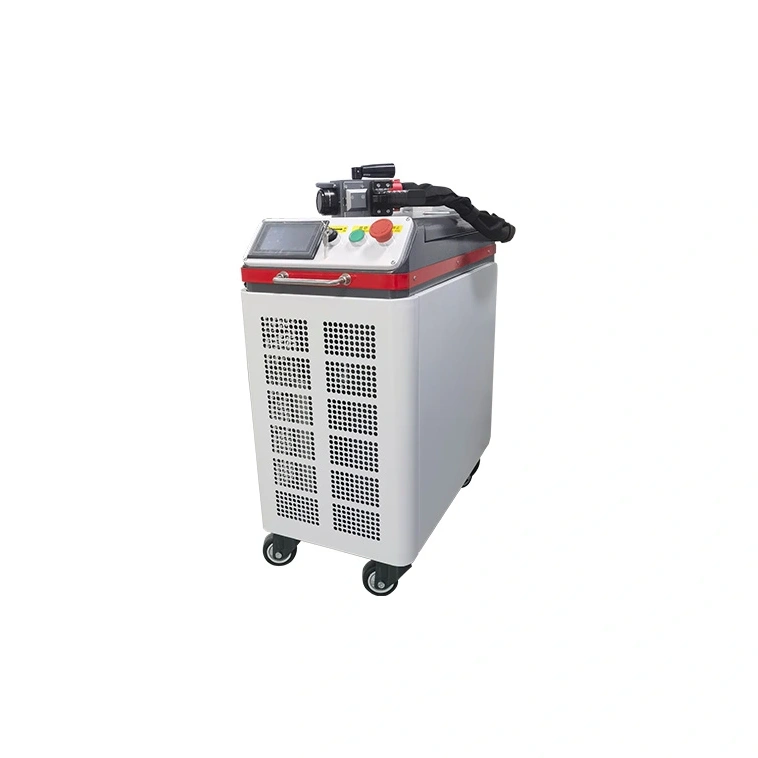
- New Laser Systems: Scientists are developing ultra-fast femtosecond lasers. These lasers are so gentle they could potentially be used to clean extremely fragile materials like silk.
- Intelligent Cleaning: The most exciting development is real-time diagnostic monitoring. These smart systems use sensors to watch the cleaning as it happens. They can automatically shut off the laser the exact moment the dirt is gone, making it impossible to over-clean or damage the artifact.
Conclusion
Laser cleaning has grown from an experiment into a vital tool for preserving cultural heritage. Its precision and safety have made it the best choice for many jobs, especially for cleaning stone and metal. While it requires great skill and is not right for every project, laser ablation is a huge step forward in our ability to care for historical artifacts. By using this modern technology, we can safely uncover the beauty of the past and make sure these treasures can tell their stories for many years to come.