
If you’re asking what can a laser cleaner clean, the simple answer is: almost anything. This technology uses a powerful beam of light to remove rust, paint, oil, and other grime from many different surfaces. It works on metal, stone, wood, and even delicate historical items. Best of all, it cleans without harming the material underneath, which makes it a much safer choice than grinding or using harsh chemicals.
The Short Answer: What Can You Clean with a Laser?
For those who need a quick answer, here is a simple breakdown of what laser cleaning can do.
Contaminants & Coatings a Laser Can Remove
- Rust and Corrosion: Removes rust, oxides, and other tarnish from metals.
- Paint and Coatings: Strips away old paint, varnish, and powder coatings.
- Oils and Grease: Cleans off machine oils, lubricants, and fingerprints.
- Factory Residue: Removes leftover materials from molds used to make plastic or rubber parts.
- General Grime: Cleans soot, dirt, graffiti, and even mold or algae.
- Hazardous Materials: Can safely remove radioactive particles in specialized settings.
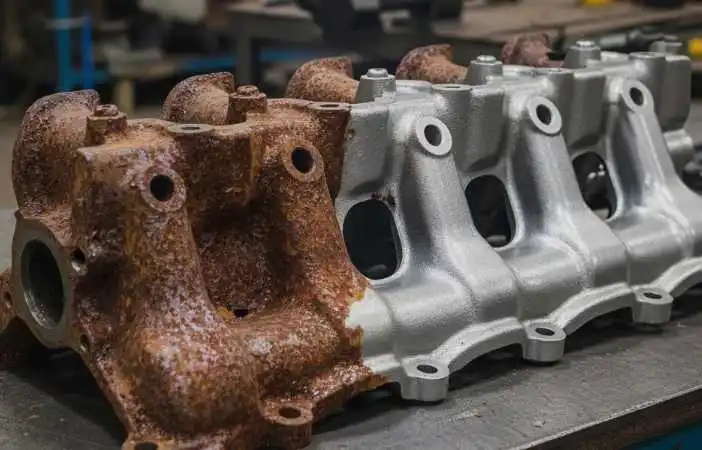
Materials You Can Safely Clean with a Laser
- Metals: Steel, aluminum, copper, brass, and titanium.
- Stone & Concrete: Marble, granite, and concrete surfaces.
- Wood: Cleans old paint or stains off wood without damaging it (when set correctly).
- Composites: Carbon fiber and other modern materials used in planes and cars.
- Plastics & Polymers: Safely cleans plastic parts and the molds used to make them.
- Glass, Ceramics, & Rubber: Works on everything from tiles to industrial molds.
- Delicate Items: Gentle enough to restore old paper, artwork, and historical artifacts.
How Does Laser Cleaning Work? A Simple Explanation
Laser cleaning works using a process called laser ablation. Think of it like a highly focused pressure washer that uses light instead of water.
The machine fires thousands of powerful light pulses every second. When this light hits a surface, the dirt, rust, or paint absorbs the energy and gets incredibly hot, very fast. This heat causes the grime to instantly turn into a gas or vapor, which “blasts” it away from the surface.
The process is safe for the material underneath because of something called the ablation threshold. This is the point where a material will vaporize. Rust and paint have a very low threshold, while the metal underneath has a much higher one. The laser is set to a power level that is just enough to zap away the grime but not strong enough to harm the solid material below.
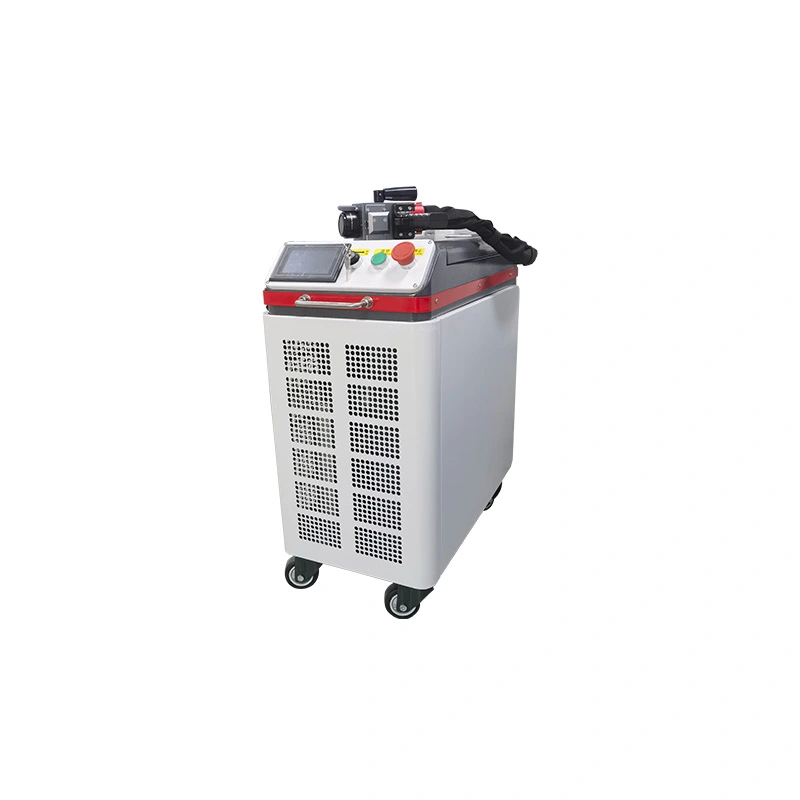
Laser Cleaning Applications in Different Industries
Because it is so precise and safe, laser cleaning is used in many industries where quality is the top priority.
Manufacturing & Metal Work
- Preparing for Welding: A perfectly clean surface creates a much stronger and more reliable weld or bond. Laser cleaning removes all oils and oxides right before joining parts.
- Cleaning Molds: It cleans leftover plastic or rubber from expensive molds without scratching them. This makes the molds last longer and improves the quality of the parts they produce.
Automotive Industry
- Electric Vehicles (EVs): Laser cleaning is essential for making EVs. It cleans battery cases before welding, prepares surfaces for gluing, and strips tiny wires for electric motors.
- Car Restoration: It’s perfect for removing old rust and paint from classic car parts without damaging the original metal.
Aerospace Industry
- Airplane Maintenance: Lasers safely clean jet engine turbine blades and landing gear. Unlike sandblasting, it doesn’t cause tiny amounts of damage that could weaken these critical parts over time.
- Removing Paint for Inspections: It can remove paint in very specific areas so inspectors can check the plane’s structure for cracks, all without harming the lightweight aluminum or composite skin.
History & Art Restoration
- Cleaning Monuments: Conservators use lasers to gently remove decades of pollution from stone statues and historic buildings. This reveals the original details without harming the delicate surface.
- Saving Artifacts: The technology is safe enough to clean priceless artifacts made of metal, wood, and even ancient paper.
Laser Cleaning vs. Other Methods: Which is Better?
When deciding on a cleaning method, it helps to compare laser cleaning to older techniques like sandblasting or dry ice blasting.
| Feature | Laser Cleaning | Sandblasting (Abrasive) | Dry Ice Blasting |
| Precision | Very High: Cleans exactly where you aim it, with no mess.3 | Low: Messy and aggressive; often damages the surface.3 | Medium: Less messy but not as precise as a laser.24 |
| Surface Damage Risk | Very Low: It’s a no-contact process that doesn’t harm the material.10 | Very High: Scratches and wears away the surface material.3 | Low: Non-abrasive, but the extreme cold can crack some materials.27 |
| Environmental Impact | Excellent: No chemicals or messy media. The vaporized grime is captured by a vacuum, leaving no extra waste.3 | Poor: Creates huge amounts of dust and hazardous waste that must be disposed of carefully.3 | Good: Dry ice turns into gas, leaving no secondary waste. However, it uses a lot of energy.25 |
| Costs | High Upfront Cost, Low Running Cost: Expensive to buy, but cheap to run since it only uses electricity.3 | Low Upfront Cost, High Running Cost: The equipment is cheap, but you constantly have to buy sand or other media.3 | Medium Upfront Cost, High Running Cost: The cost of buying and storing dry ice adds up quickly.25 |

What Are the Limits of Laser Cleaning?
Laser cleaning is a great tool, but it’s not perfect for every job. Here are a few things to keep in mind.
- High Upfront Cost: An industrial laser cleaning system is a major investment, which can be difficult for smaller companies.
- Slow on Big, Simple Jobs: For removing thick paint from a huge area like a ship’s hull, sandblasting is usually faster. A laser is better for precision work, not bulk removal.
- Doesn’t Work on Everything: It can struggle with very shiny, reflective metals that bounce the light away. It also may not work well on thick, soft coatings that can melt and become sticky instead of vaporizing.
Frequently Asked Questions (FAQ)
Yes, but only when you follow strict safety rules. Industrial laser cleaners are Class lasers, the most powerful type. Safety standards from groups like OSHA and ANSI require safety enclosures, a fume vacuum system, and special safety glasses (PPE) for anyone in the area.
No, not when it’s done correctly. The laser is set to a power level that only affects the contaminant, leaving the metal underneath untouched and undamaged.
Yes, it works well for removing paint and varnish from wood. However, the settings must be controlled very carefully to avoid charring or burning the wood’s surface.
Pulsed lasers are best for delicate jobs. They fire short, powerful bursts of light that “blast” dirt off with very little heat. Continuous Wave (CW) lasers shoot a steady beam that burns contaminants away. CW lasers are cheaper and faster for heavy rust on thick steel, but the high heat can easily warp or damage the surface.
The Right Tool for the Right Job
Laser cleaning is a powerful, precise, and eco-friendly technology. It is the best choice for cleaning high-value parts where you cannot risk any damage. While it won’t replace older methods for every job, it is a key tool for modern manufacturing, aerospace, and restoration work.
Want to see if laser cleaning is the right solution for you? Contact our team to schedule a free application audit. We can test the process on your parts to find the perfect solution.