
Home » Machine de nettoyage au laser pulsé
China Pulse Laser Cleaning Machine Manufacturers
What is Pulse Laser Cleaning Machine
Pulse laser cleaning machine function by delivering their laser energy not as a continuous stream, but in very short, carefully controlled bursts known as pulses. This pulse delivery method allows for exceptional control and precision, enabling the laser to specifically target and remove contaminants like rust, paint, or oxides only where needed, without disturbing adjacent areas.
A major benefit of using these extremely brief pulses is the significant reduction in heat buildup on the material’s surface. Because each burst of energy is so short, heat doesn’t have sufficient time to penetrate deep into the underlying substrate. This minimized thermal impact is crucial for safely cleaning sensitive surfaces, protecting them from heat damage, warping, or other unwanted alterations.

Pulse Laser Cleaning Machine for Sale
Selecting the right Pulse Laser Cleaning Machine, especially for specific contaminants, materials, or required cleaning precision, can be complex with so many manufacturers. To simplify your selection and ensure you get effective, damage-free cleaning results, we offer a complete range of pulse laser cleaning solutions. Our Pulse Industries laser systems are expertly developed and manufactured in-house. This allows us to readily recommend and configure the most suitable system for your specific cleaning tasks – whether that’s thorough rust removal or precise paint stripping – considering your material sensitivities and production goals, all backed by an expert applications and support team dedicated to your cleaning success.
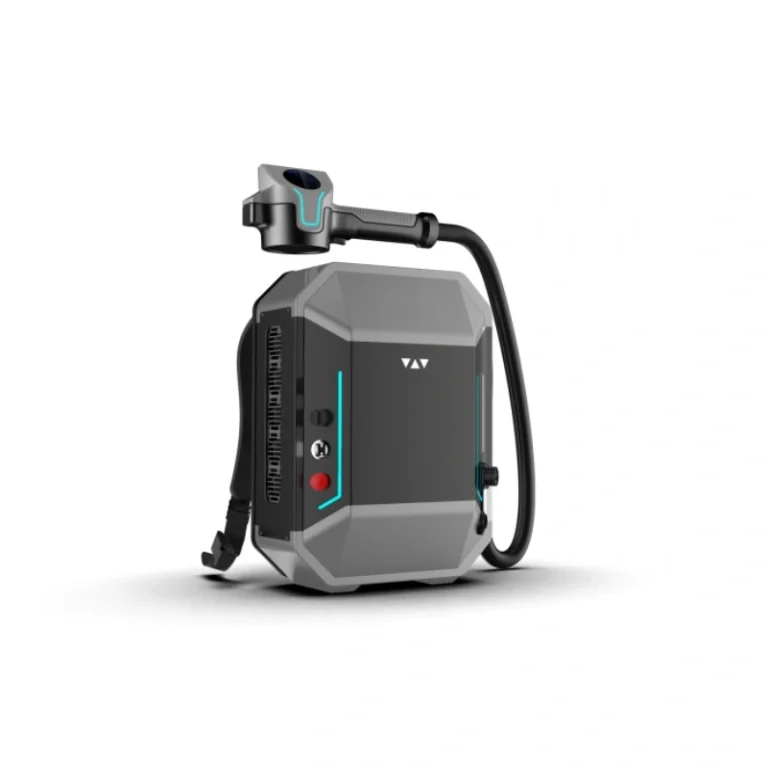
Nettoyeur laser à impulsions dorsal 3 en 1 de 120W
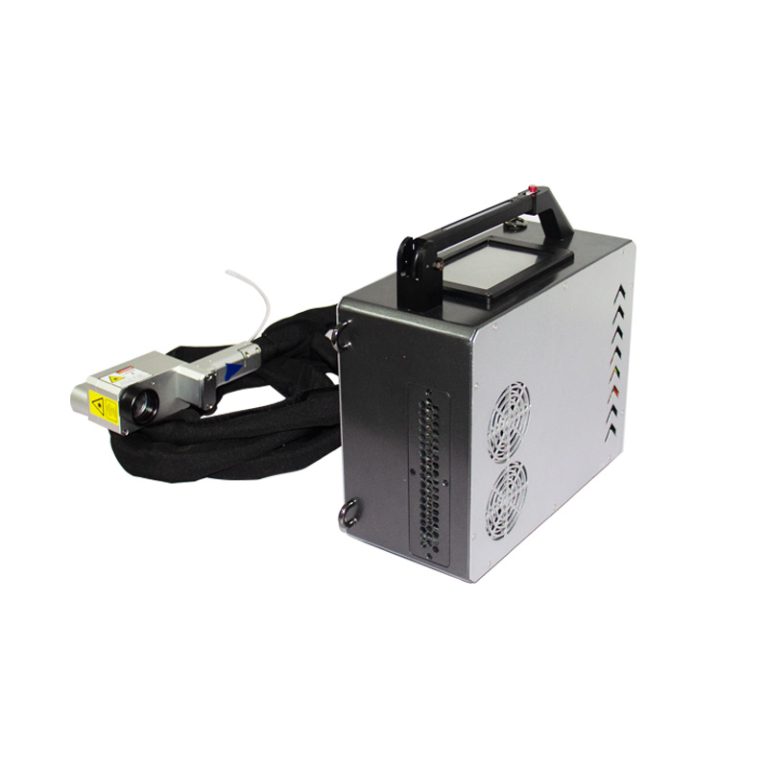
Machine De Nettoyage Laser Pulsé Dorsale Portable
What can a Pulse Laser Cleaning Machine clean?
Pulse Fiber Laser Cleaning Machines are versatile tools capable of removing a wide variety of contaminants and unwanted layers from surfaces, typically without damaging the underlying material (substrate). They work effectively on many different materials, especially metals, but also stone, ceramics, composites, and sometimes even wood or plastics depending on the laser type and settings.
Here’s a list of common things they can clean or remove:
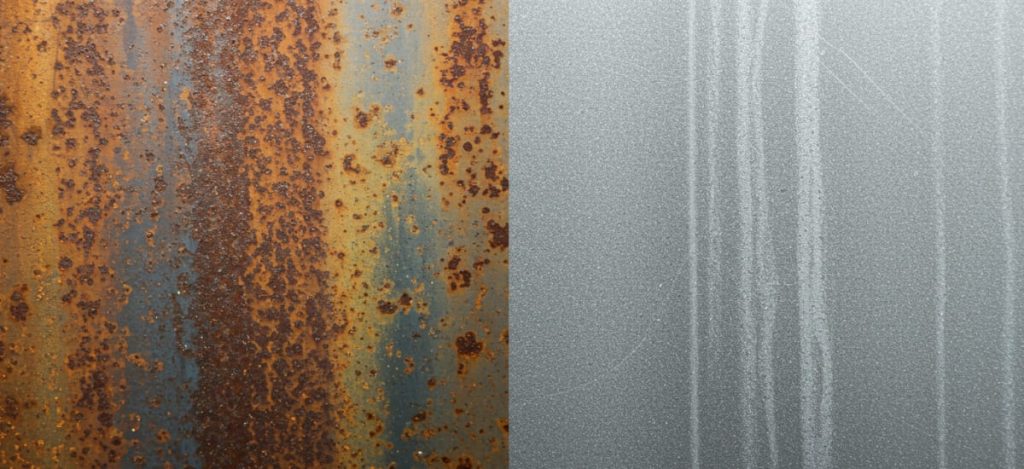
Rust and Oxides: Removing iron rust (from metallic surfaces and as stains from mineral substrates like concrete or stone), aluminum oxide, copper tarnish, heat tint from welding, and other oxidation layers from various materials.
Paint and Varnish: Stripping various types of paint, lacquer, varnish layers, and primers… often efficiently achieved using a pulse Industries laser stripper.
Oils and Greases: Cleaning industrial oils, lubricants, fingerprints, grease, and other organic residues.
Coatings: Removing specific coatings, including anodized layers, PVD coatings (sometimes), or residues left from manufacturing processes.
Mold and Release Agents: Cleaning residues and release agents from industrial molds (e.g., tire molds, injection molds).
Surface Dirt and Grime: Removing general environmental dirt, soot, carbon deposits, smoke damage residue.
Biological Growth: Cleaning mold, algae, lichen, etc., particularly in historical restoration of stone or masonry.
Rubber and Adhesive Residues: Removing bits of rubber or leftover glue/adhesive.
The effectiveness and speed depend on the specific contaminant, its thickness, the substrate material, and the chosen laser parameters (power, pulse frequency, scan speed).
What is the Pulse Laser Cleaner Price?
Entry-level systems, such as a basic 50W backpack laser cleaner priced around $3,500 USD, contrast with standard handheld pulse laser cleaners which typically range between $5,000 and $12,000 USD. This price difference relates to laser cleaning machine configurations such as the cooling type (air-cooling is generally more expensive than water-cooling) and the laser source (where premium brands like IPG typically cost more than alternatives like Raycus or Maxphotonics), meaning costs can differ significantly even between machines with similar power ratings.
Frequently Asked Questions
Does pulse laser cleaning damage the surface underneath the rust or paint?
One of the main advantages of pulse laser cleaning, when set up correctly, is its ability to remove contaminants like rust and paint without damaging or minimally affecting the underlying base material (substrate). The short, intense pulses vaporize the top layer quickly, but don’t last long enough to transfer significant heat deep into the material, thus protecting the surface integrity.
Are handheld pulse laser cleaners effective for common tasks like rust removal?
Yes, handheld pulse laser cleaners are generally very effective for many common surface cleaning tasks, including rust removal, paint stripping, oil/grease cleaning, and removing oxides. Their increasing popularity stems from their portability, ease of use for certain applications, and ability to deliver precise, non-contact cleaning results affordably compared to larger automated systems.
Are Pulse Laser Cleaning Machines worth the cost, especially if they seem expensive
While the initial investment for a pulse fiber laser cleaning machine can be higher than some traditional methods (like chemical baths or grinders), they often provide significant long-term value and a strong return on investment (ROI). Key factors making them worthwhile include eliminating the ongoing cost of consumables (no chemicals, abrasives, or disposal fees), often reducing labor time due to efficiency, and minimizing damage to the base material, which reduces scrap or rework. They also offer a safer and more environmentally friendly alternative. Calculating the ROI based on your specific cleaning volume, labor savings, consumable expenses avoided, and quality needs will help determine if it’s a worthy investment for your application.
What kind of maintenance do Pulse Laser Cleaning Machines require?
Compared to many industrial processes, pulse laser cleaners (especially those with fiber laser sources) are generally considered low maintenance. The laser source itself typically has a very long lifespan (tens of thousands of operating hours) requiring little direct service. The most frequent maintenance involves routinely inspecting and cleaning the protective window/lens on the output head, replacing it when necessary to ensure beam quality and protect internal optics. Other tasks include periodic checks of the cooling system (e.g., coolant level, filter cleanliness, radiator airflow) and regular replacement of fume extractor filters.