
Laser ablation rust removal, also known as laser cleaning or laser ablation, represents a significant advancement in surface treatment technology. This process offers a highly efficient, precise, and environmentally friendly alternative to traditional rust removal methods. Understanding the principles, applications, advantages, and safety considerations of this technology is crucial for industries seeking optimized cleaning solutions. This article provides a detailed technical overview of laser rust removal.
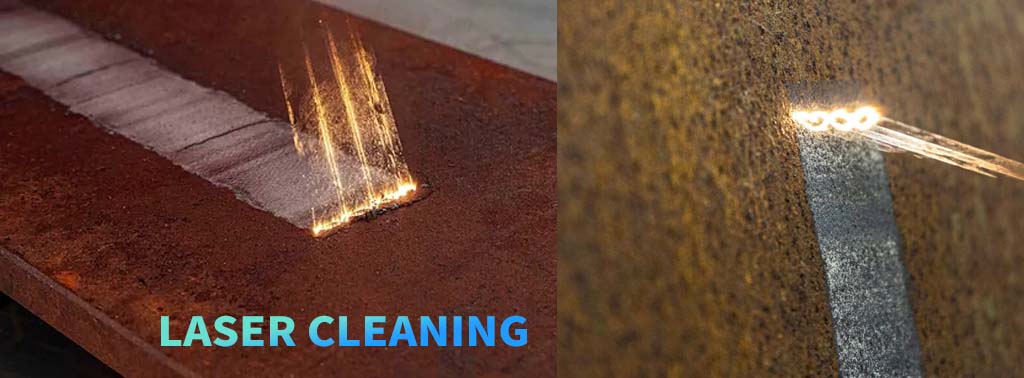
What is Laser Rust Ablation Removal?
Definition and Principles
Laser ablation rust removal is a process that utilizes a focused beam of high-intensity laser light to selectively remove rust (iron oxides) and other contaminants from a material surface without damaging the underlying substrate. The fundamental principle relies on the interaction of laser energy with the material, specifically targeting the contaminant layer through what is effectively laser ablation rust removal.
Non-contact Cleaning Process
Unlike mechanical or chemical methods, laser rust removal is a non-contact cleaning process. The laser beam interacts solely with the targeted rust or contaminant layer, vaporizing or ablating it away. This eliminates the risk of surface abrasion, wear, or chemical residue associated with traditional techniques, preserving the integrity of the base material.
The Science Behind Laser Ablation Rust Removal
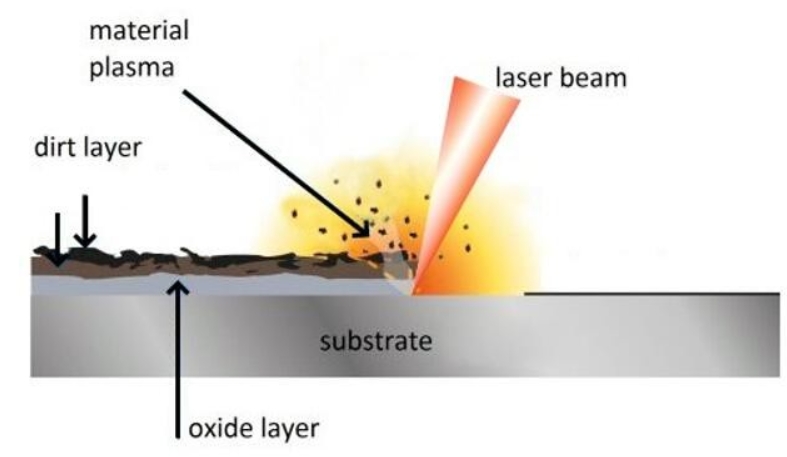
How Laser Rust Removal Works
The process operates by directing short, powerful pulses of laser light onto the rusted surface. The energy from the laser is absorbed primarily by the rust layer.
Ablation Process Explained
This absorbed energy rapidly heats the rust and any trapped moisture, causing it to vaporize or sublimate (transition directly from solid to gas). The rapid expansion creates a micro-plasma burst that effectively ejects the contaminant from the surface. This phenomenon is known as laser ablation.
Difference in Ablation Thresholds (Rust vs. Base Metal)
The key to the process’s selectivity lies in the different ablation thresholds of rust and the base metal. Rust and other contaminants generally have a lower ablation threshold (require less energy density to be vaporized) than the underlying metal substrate. By carefully controlling the laser parameters (power, pulse duration, frequency, spot size), the energy delivered can be tuned to exceed the threshold for rust ablation while remaining below the threshold that would damage the base metal.
Laser Pulsing and Energy Transfer
Modern laser cleaning systems typically use pulsed lasers (often nanosecond or picosecond pulse durations). Short pulses deliver high peak power, maximizing the ablation efficiency for the contaminant while minimizing heat transfer into the substrate. This prevents thermal damage, warping, or metallurgical changes in the base material. The energy is transferred directly to the rust layer, leading to its rapid removal.
Types of Laser Systems for Rust Removal
Several types of lasers can be employed, but their effectiveness varies:
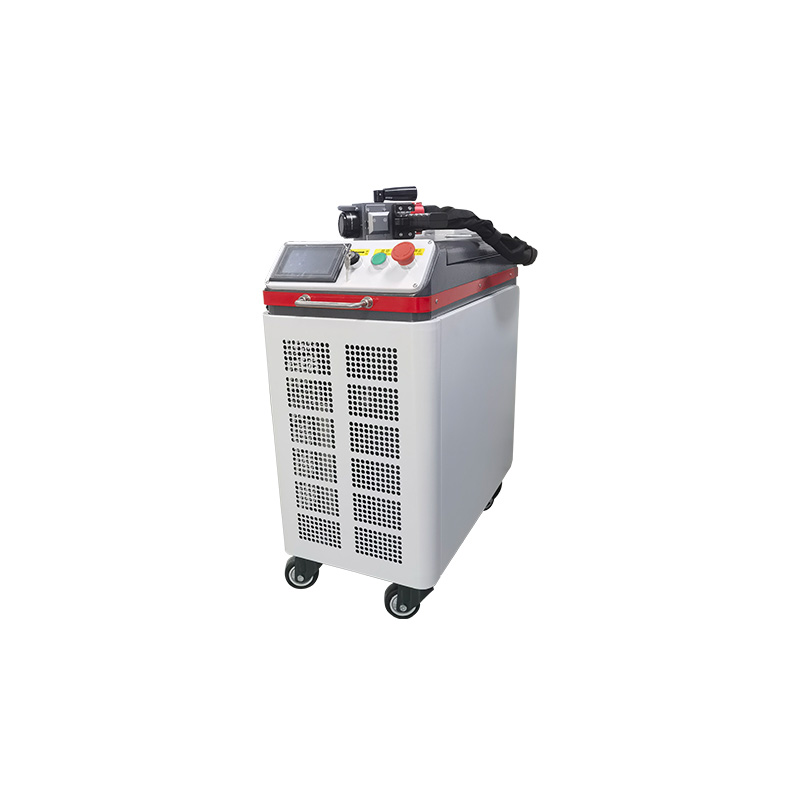
Fiber Lasers
Fiber lasers are the most common and generally most effective type for rust removal and general laser cleaning applications. They offer high beam quality, excellent stability, energy efficiency, and reliability with minimal maintenance.
- Low-Power (e.g., 20W – 100W): Suitable for fine, precision cleaning, small areas, or thin rust layers. Often found in portable, handheld units.
- Mid-Power (e.g., 100W – 500W): Offer a balance of speed and precision for a wider range of applications, including moderate rust and paint removal. Common in both handheld and integrated systems.
- High-Power (e.g., 1000W+): Designed for rapid removal of thick rust, coatings, or large surface areas in industrial settings. Typically integrated into automated or robotic systems.
Infrared Lasers
Fiber lasers typically operate in the infrared spectrum (around 1064 nm). This wavelength is well-absorbed by oxides and contaminants but poorly absorbed by most base metals, contributing to the process’s selectivity.
YAG Lasers
Nd:YAG (Neodymium-doped Yttrium Aluminum Garnet) lasers, often diode-pumped solid-state lasers (DPSS), also operate in the near-infrared spectrum (commonly 1064 nm) and are effective for rust removal. Historically significant, fiber lasers have largely surpassed them in many industrial applications due to advantages in efficiency, cost, and robustness.
CO2 Lasers
While powerful, CO2 lasers (typically operating at 10.6 µm wavelength) are generally less effective for removing rust from metals. Metals are highly reflective at this longer wavelength, meaning less energy is absorbed by the rust and more is reflected or absorbed by the substrate, potentially causing unwanted heating or damage. They are more suitable for cleaning non-metallic materials or organic coatings.
Advantages / Benefits of Laser Ablation Rust Removal
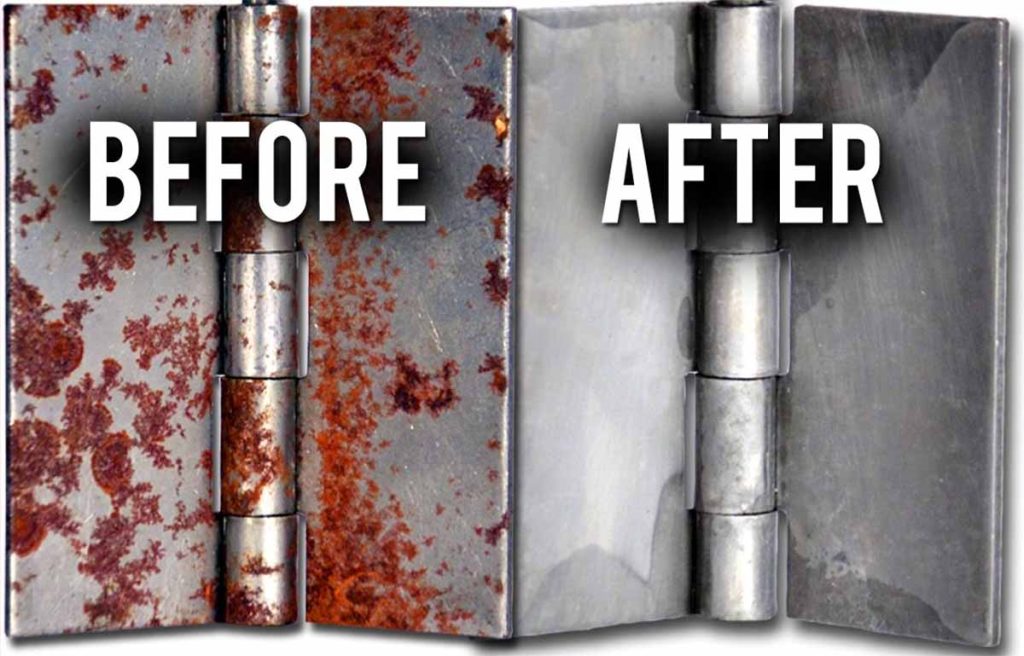
Laser rust removal offers numerous compelling advantages over conventional methods:
Speed and Efficiency / Faster Cleaning
Particularly with mid- to high-power systems, lasers can clean surfaces significantly faster than manual methods or even some automated traditional processes.
Non-Destructive Cleaning / No Harm to the Metal
When parameters are correctly set, the process only removes the contaminant layer, leaving the substrate untouched and preserving dimensional tolerances and surface integrity.
Precision Cleaning
The laser beam can be precisely controlled to clean specific areas, complex geometries, or patterns without affecting adjacent surfaces.
Multiple Contaminants Removal
Beyond rust, lasers can effectively remove paint, oil, grease, oxides, coatings, and other surface contaminants.
Safe and Green / Environmentally Friendly
It eliminates the need for hazardous chemicals, abrasive media (like sand), or secondary waste streams (solvents, contaminated blast media). There are no consumables beyond electricity.
Reduced Manual Labor
Automation potential significantly reduces the need for intensive manual scrubbing, scraping, or blasting.
Workplace Safety
Eliminates exposure to harsh chemicals, abrasive dust (silicosis risk from sandblasting), and vibration associated with mechanical tools. Proper laser safety protocols are still essential.
Minimal Maintenance
Fiber laser systems, in particular, are known for their long operational life and low maintenance requirements compared to mechanical systems.
Space/Cost Savings
While the initial investment can be higher, long-term savings arise from reduced labor, no consumable costs (media, chemicals), minimal waste disposal, and reduced downtime. Compact systems also save floor space.
Disadvantages of Laser Ablation Rust Removal
Despite its benefits, potential drawbacks exist:
Safety Concerns
High-power lasers pose risks to eyes and skin if not handled correctly. Direct or scattered radiation can cause severe injury. Proper training and safety equipment are mandatory.
Potential for Surface Damage
Incorrect laser settings (excessive power, incorrect focus, slow scan speed) can damage the underlying substrate through overheating, melting, or altering surface properties. Operator skill and correct parameter selection are vital.
Limited Applications
While versatile, extremely thick or complex layered coatings might require very high power or multiple passes, potentially making other methods more time-efficient in niche cases. Reflectivity of certain materials can also pose challenges.
Limited Availability / Higher Initial Cost
The initial capital investment for laser cleaning systems is generally higher than for traditional equipment like sandblasters or chemical baths. Availability of service providers might also be limited in some regions.
Applications of Laser Ablation Rust Removal
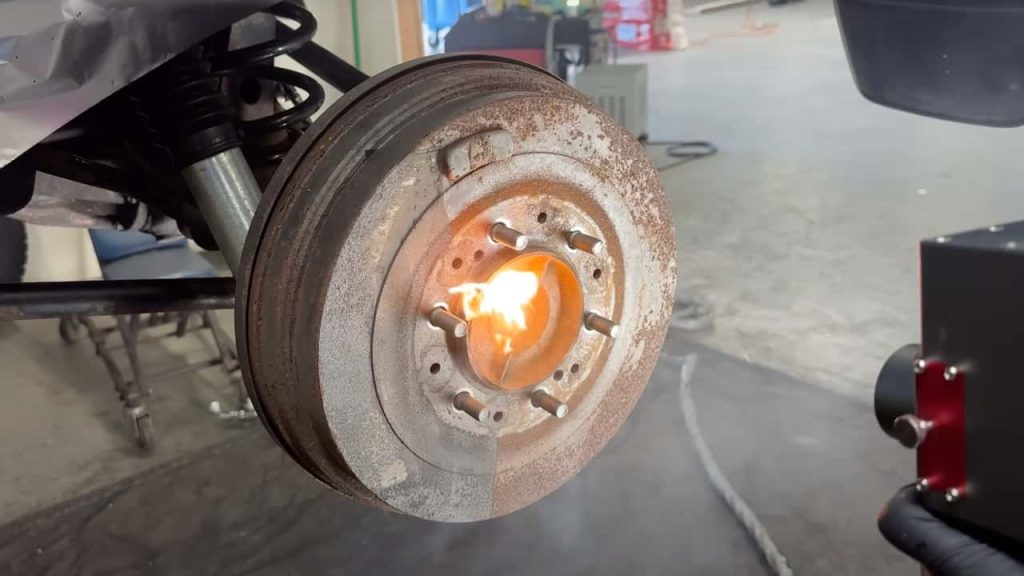
Pre-Welding Treatments
Removing rust and oxides ensures a clean surface for high-quality, strong welds, reducing porosity and defects.
Post-Welding Treatments
Cleaning weld seams, removing heat tint, and oxides after welding.
Oxide Removal
Efficiently removes various metal oxides beyond just iron rust.
Cleaning of Parts / Industrial Part Cleaning
General cleaning and preparation of metal components in manufacturing.
Top Industries Benefiting
Automotive Industry
Rust removal for restoration, component cleaning before assembly or coating, mold cleaning.
Aerospace Industry
Precision cleaning of components, surface preparation before bonding or coating, maintenance operations.
Marine Industry
Hull cleaning, rust removal from ship components exposed to corrosive environments.
Defense and Military Applications
Maintenance of equipment, vehicles, and weaponry.
Historical Artifact Restoration
Gentle, precise cleaning of delicate metal artifacts where preserving the original surface is paramount.
Die Mold Cleaning
Removing residues and release agents from molds without abrasion or wear.
Comparison with Traditional Rust Removal Methods
| Feature | Laser Rust Removal | Chemical Methods (Acids, Converters) | Mechanical Methods (Grinding, Brushing) | Abrasive Blasting (Sandblasting) |
|---|---|---|---|---|
| Precision | Very High | Low | Moderate | Low to Moderate |
| Substrate Damage | Minimal (if parameters correct) | Risk of etching, hydrogen embrittlement | High risk of abrasion, material removal | High risk of abrasion, surface profile change |
| Environment | Environmentally Friendly (no consumables) | Hazardous chemicals, waste disposal | Dust generation | Significant dust/media waste |
| Consumables | None (Electricity only) | Chemicals, Neutralizers | Brushes, Discs | Abrasive Media |
| Safety | Laser radiation hazards (requires PPE) | Chemical exposure, fumes | Physical injury, dust inhalation | Dust inhalation (silicosis), noise |
| Speed | Fast (especially high-power) | Can be slow (soaking time) | Often slow, labor-intensive | Can be very fast |
| Initial Cost | High | Low | Low | Moderate |
| Operating Cost | Low | Moderate (chemicals, disposal) | Moderate (consumables, labor) | High (media, labor, disposal) |
| Contact | Non-Contact | Contact | Contact | Contact |
Safety Considerations and Best Practices
Implementing laser rust removal requires strict adherence to safety protocols:
Eye and Skin Protection
Appropriate laser safety goggles specific to the laser’s wavelength and power are mandatory. Protective clothing should be worn to shield skin from direct or scattered beams.
Fire Hazards
The ablation process can generate sparks, especially when removing flammable coatings or oils mixed with rust. Work areas must be free of flammable materials.
Proper Ventilation / Dust Extraction Systems
Although cleaner than blasting, the ablation process generates fumes and nanoparticles that must be captured by a suitable fume/dust extraction system to protect operator respiratory health and maintain air quality.
Laser Safety Enclosures
For automated or high-power systems, interlocked safety enclosures (Class 1 laser systems) provide the highest level of safety by containing the beam and fumes.
Operator Training
Only properly trained personnel should operate laser cleaning equipment. Training must cover laser safety, equipment operation, parameter setting, and emergency procedures.
Equipment and Costs
Laser rust removal systems vary significantly in form factor, power, and cost:
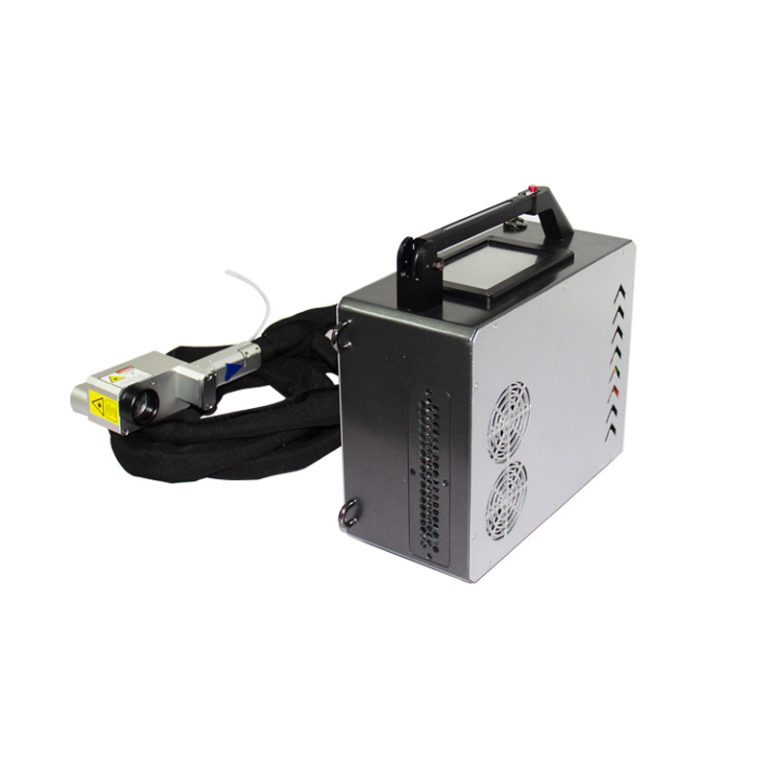
Handheld Devices / Portable Laser Rust Removers
Typically lower to mid-power (50W-300W, sometimes up to 500W). Offer flexibility for in-situ cleaning, smaller parts, or intricate areas. Costs range widely but generally start from tens of thousands of dollars.
Benchtop Models
Often integrated systems with safety enclosures, suitable for cleaning smaller components in a workshop setting.
Large-Scale Laser Rust Removal Systems
High-power systems (500W to several kilowatts) often integrated with robotics or gantries for automated cleaning of large surfaces or high-volume production lines. These represent significant capital investments, potentially hundreds of thousands of dollars.
The cost is influenced by laser power, manufacturer, features (e.g., pulse width control, beam shaping), integration complexity, and included safety systems.
Conclusion
Summary of Advantages
Laser rust removal offers a compelling combination of speed, precision, non-destructive cleaning, and environmental benefits. It eliminates consumables, reduces waste, enhances workplace safety compared to chemical and abrasive methods, and allows for targeted cleaning of complex shapes.
Future Prospects of Laser Ablation Rust Removal Technology
The adoption of laser cleaning technology is expected to grow significantly across various industries. Ongoing developments focus on increasing system efficiency, reducing costs, developing more sophisticated control systems for optimized parameter selection, and creating even more compact and powerful portable units. As the technology matures and becomes more accessible, it will likely replace traditional methods in an even wider range of surface preparation and cleaning applications, becoming a standard tool for industrial maintenance, manufacturing, and restoration.
FAQs of Laser Ablation Rust Removal
Yes, lasers are highly effective at removing rust (iron oxides) from metal surfaces through the process of laser ablation.
Yes, it is very effective. It precisely targets and removes rust and other contaminants often faster and cleaner than traditional methods, without damaging the underlying metal when used correctly.
Generally, CO2 lasers are not the preferred choice for rust removal from metals. Their wavelength (10.6 µm) is poorly absorbed by rust compared to metals, making fiber or YAG lasers (around 1 µm) significantly more efficient and safer for the substrate.
They are safe if operated according to strict safety protocols. This includes using appropriate personal protective equipment (PPE), ensuring proper ventilation/fume extraction, and employing safety enclosures where applicable. Operator training is crucial. The main hazards are eye and skin exposure to laser radiation.
When laser parameters (power, pulse frequency, scan speed) are set correctly based on the material and contaminant, laser rust removal does not damage the base metal. The process relies on the lower ablation threshold of rust compared to the metal substrate. Incorrect settings, however, can cause thermal damage or surface modification.
Yes, laser cleaning is also very effective at removing paint, coatings, oils, grease, and other surface contaminants in addition to rust. Similar principles of selective ablation apply.