China Laser Cleaning Machine Manufacturers

What is Laser Cleaning Machine

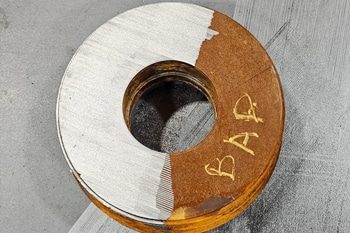
A Laser Cleaning Machine is a device that uses laser light directed onto an object’s surface to remove impurities, contaminants, or unwanted layers. These machines primarily fall into two main categories based on how they deliver the laser energy: Pulse Laser Cleaners and Continuous Wave (CW) Laser Cleaners.

Both types work by making the laser beam hit the material to be removed, like rust or paint. Pulse lasers do this with quick, strong bursts. These bursts vaporize the dirt fast and don’t heat the surface much. This makes them safe and precise for delicate materials. CW lasers use a steady beam instead. They clean by heating the material for a longer time. This works well for tough cleaning jobs but can heat or change the base material more. Because they work well and can do many jobs, laser cleaning machines are used in many areas. These include factories, car repair, airplane work, and saving old artifacts.

Best Laser Cleaning Machine for Sale

Finding the right laser cleaning solution means matching the right machine to your needs. Whether you need to remove rust, strip paint, or prepare delicate surfaces, the technology must fit the job. We offer a carefully chosen selection of laser cleaning machines. These machines are both effective and easy to use. Check out our top models for sale below. Find the perfect machine to improve how you work.

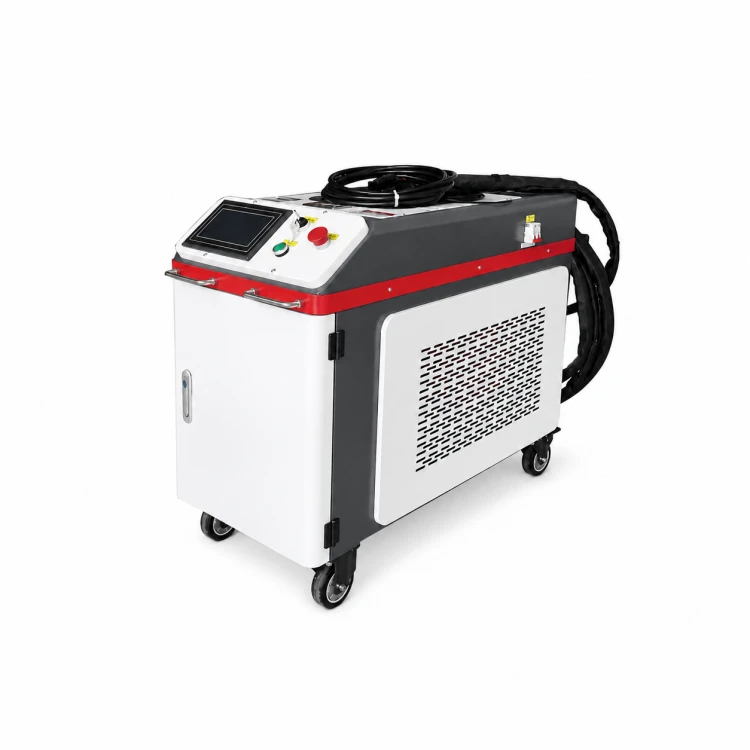
1000w pulse laser cleaning machine

RL-CGY1000 1000W Pulse Laser Cleaning Machine

Product Overview  The 1000W pulse laser cleaning machine is designed for industrial surface cleaning...
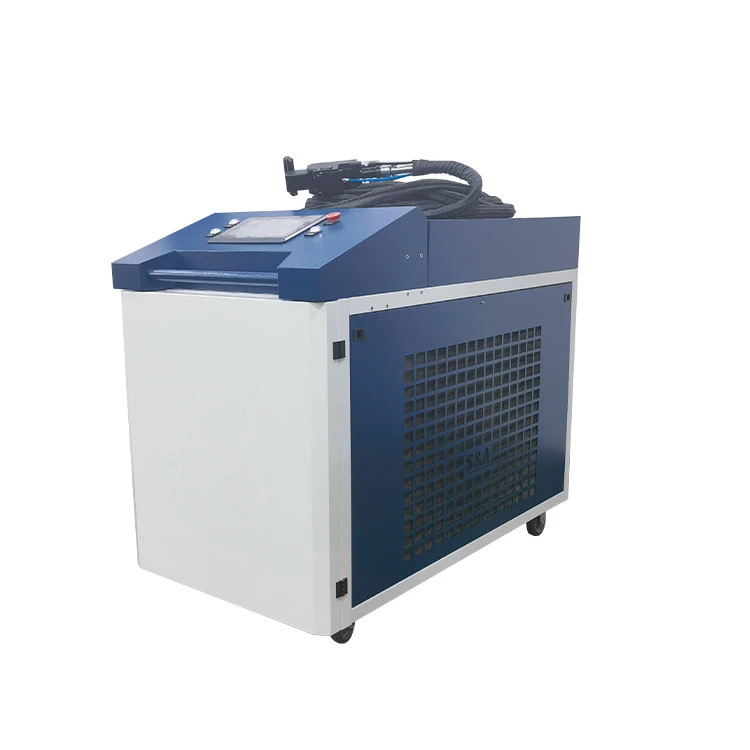
high power 6000w continuous wave laser cleaning machine

RL-C6000 6kW Continuous Wave Laser Cleaning Machine for Heavy Rust Removal

Product Overview Our 6000W Continuous Wave Laser Cleaning System is built for heavy-duty industrial rust...
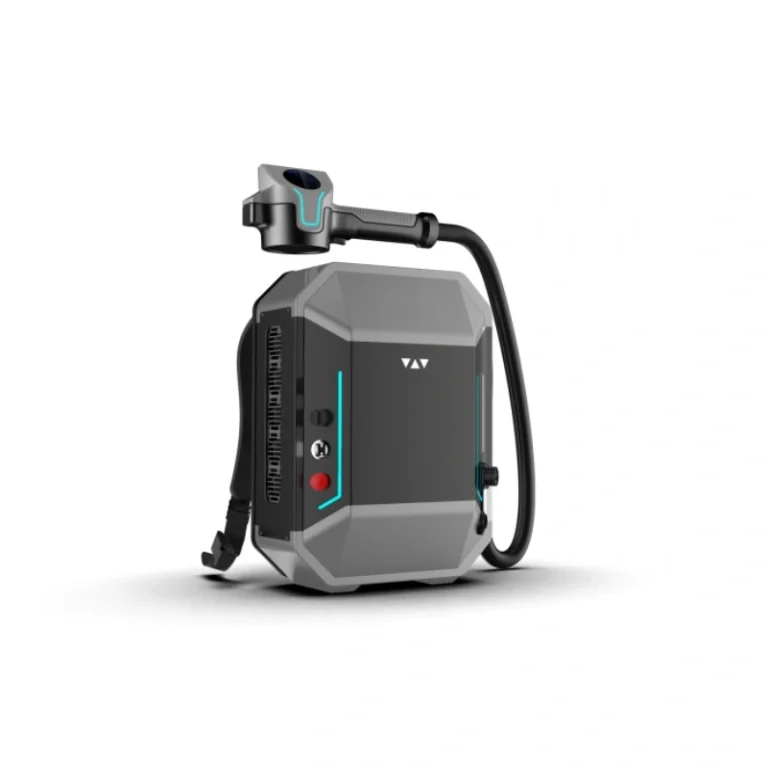
3 in 1 backpack pulsed laser cleaning machine

3 in 1 120W Backpack Pulse Laser Cleaner

Product Description Why invest in multiple bulky machines when one portable powerhouse can do it all?...
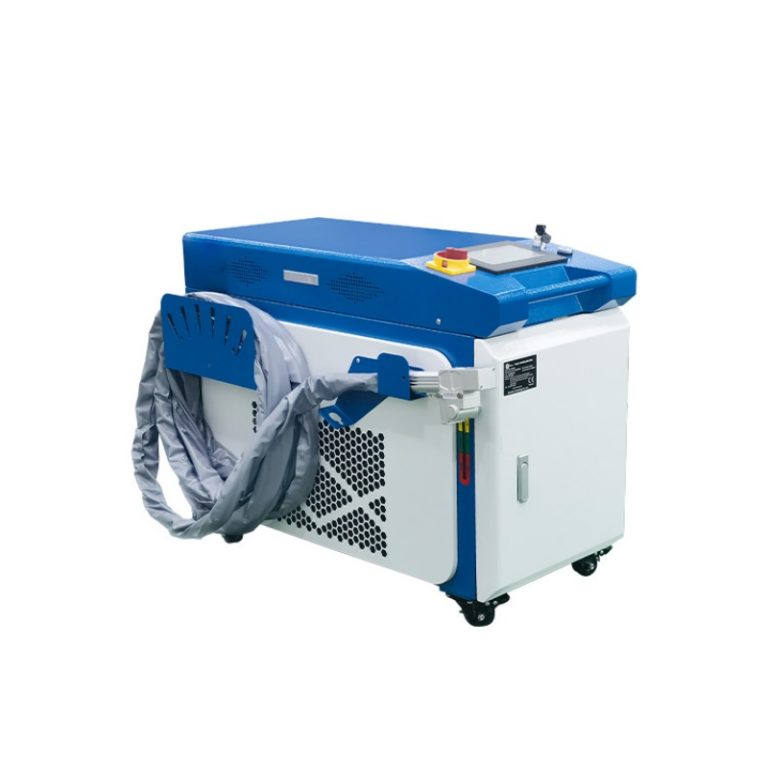
continuous laser cleaning machine

Handheld Continuous Wave Laser Cleaning Machine (1500W-3000W)

Product Description Strip heavy rust, thick industrial paint, and stubborn coatings with high efficiency....
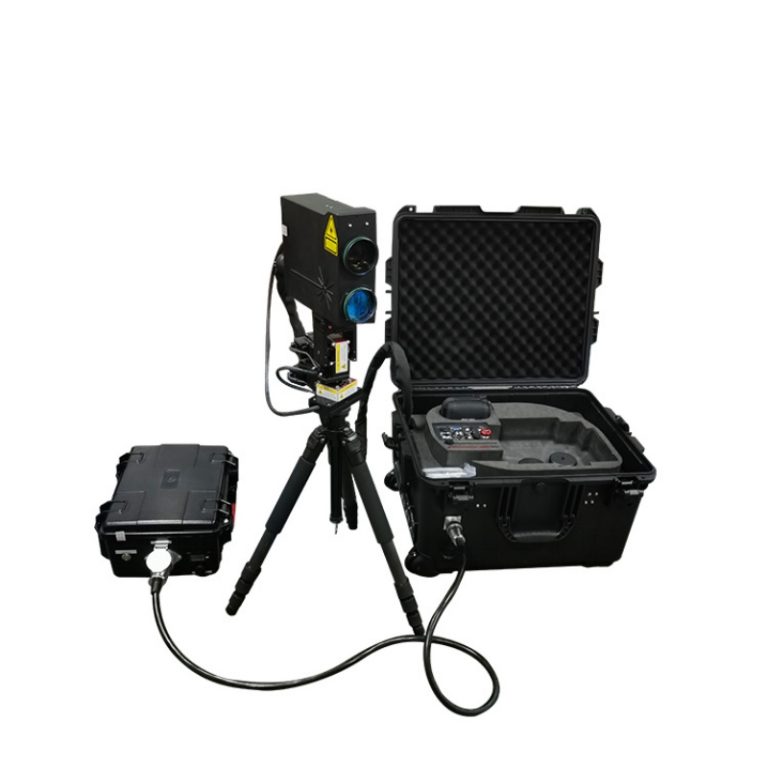
Portable Fiber Laser Obstacle Remover

Portable Fiber Laser Obstacle Remover

What is the Laser Obstacle Remover The Laser Obstacle Remover is a specialized tool designed for remotely...
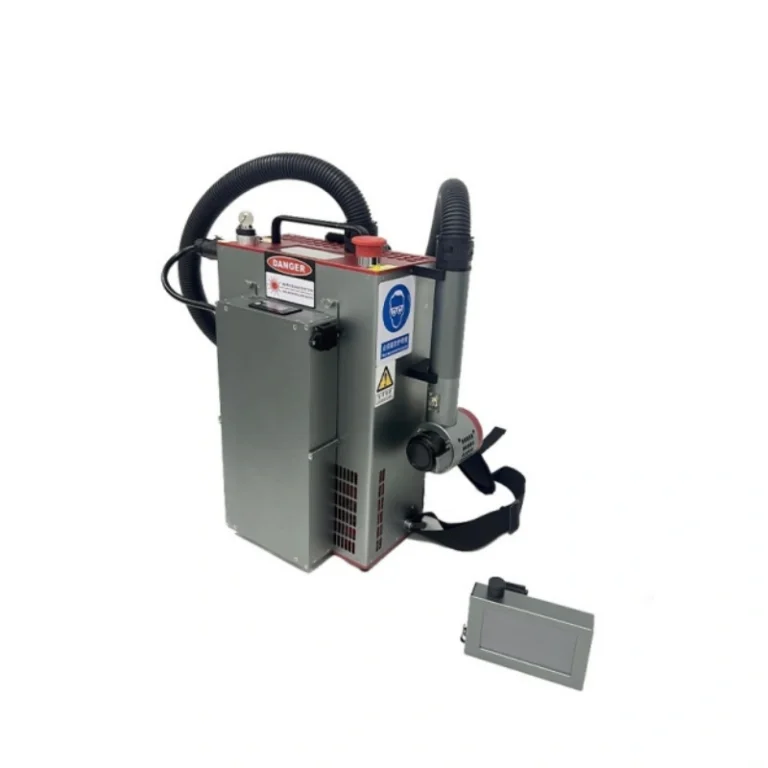
50W Pulse Industries Laser Stripper

100W 200W 300W Backpack Pulse Industries Laser Stripper

Product Description The Riselaser Backpack Pulse Industries Laser Stripper is designed for portable paint,...
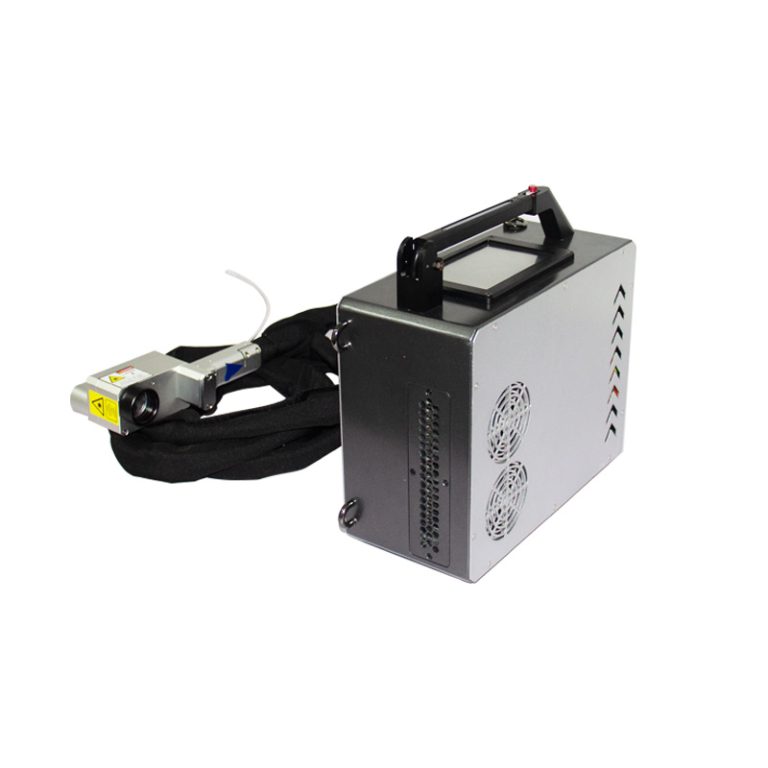
portable continuous laser cleaning machine

RL-CW 1000W Portable Continuous Laser Cleaning Machine

Continuous Laser Cleaning Machine The RL-CW 1000W Portable Laser Cleaning Machine is the perfect tool...
RL-CA is a new generation of surface cleaning and high-tech laser rust removal machine.

RL-CA Metal Rust Remover Continuous Handheld Pulse Laser Cleaning Machine

Product Applications Portable handheld laser cleaning machine can be widely used for the removal of various...
RL-CPB Backpack Pulse Laser Cleaning Machine uses a backpack size design, can be easily carried, it uses double swing multi-mode and suitable for different materials cleaning.

RL-CPB Rust Removal Backpack Pulse Laser Cleaning Machine

Product Applications Laser paint removal: Laser cleaning backpack can precisely eliminate coatings from...
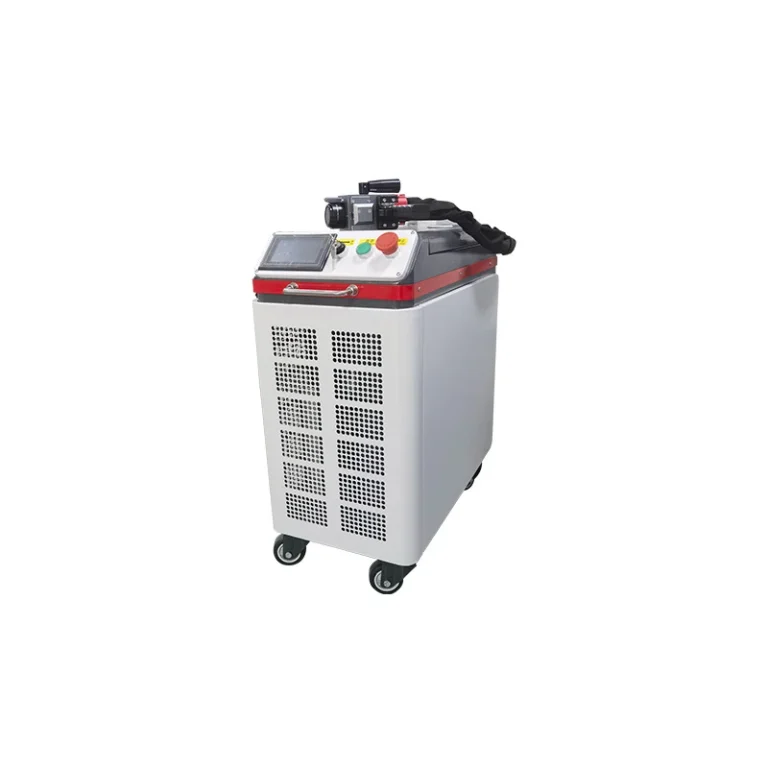
200w 300w handheld pulse laser cleaning machine

200W 300W Handheld Pulse Laser Cleaner for Metal Rust and Paint Removal

Product Description Laser Paint Removal: Precisely strip paint from any surface without causing damage...
1 2

What is the difference between Pulse Laser Cleaners and Continuous Wave (CW) Laser Cleaners?

The main difference is how the laser energy reaches the surface. Pulse laser cleaners send out very short, strong bursts of energy. These bursts quickly vaporize dirt without heating the material underneath much. This keeps the heat from going deep and causing damage. Continuous Wave (CW) laser cleaners work differently. They use a steady beam that heats the area for a longer time. This heat burns or melts the unwanted layer.

This difference in heat affects how each laser is used. Pulsed lasers cause very little heat damage. They clean precisely and safely, even on thin or delicate materials. This makes them great for removing paint, rust, or mold without harming the surface. On the other hand, CW lasers build up more heat. This can damage the base material. So, they are best for tough cleaning jobs on thick, strong materials where some heat damage is okay.

What can Laser Cleaning Machines Clean?

Laser cleaners remove unwanted surface stuff. They use light beams to clean many materials, usually without hurting the actual part underneath if you set them up right. What can they clean off? Think about annoying rust on metal, old paint jobs you want gone, or the need to clean aluminum oxidation. Lasers handle those well. They can also zap away tough grease, or even the dark scale left after welding. won’t quit. Even outdoor grime vanishes. Sometimes they’re used for careful work like cleaning mold or algae off old stone buildings without using harsh chemicals. It depends on the laser type. How well it works really comes down to using the right kind of laser, like pulse or continuous wave, and dialing in the correct settings for the job.

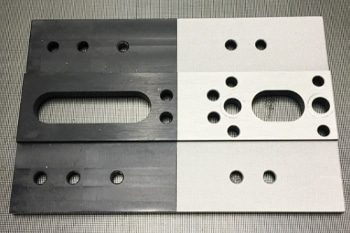
Laser cleaning of rust on metal
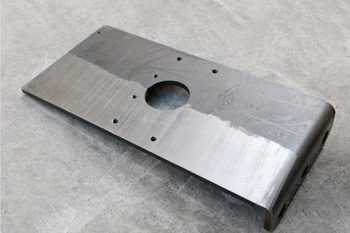
Laser cleaning of paint from metal
Laser cleaning of oil on metals
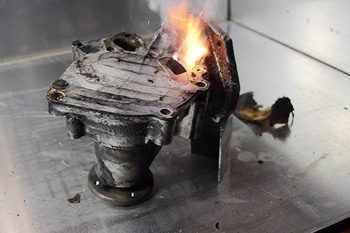
Laser cleaning of car engines
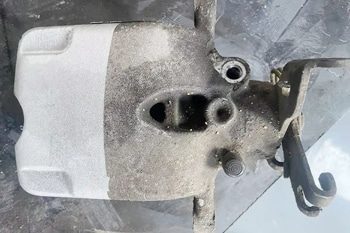
Laser cleaning of car parts
Laser-Cleaning-Sample-3

What is the Laser Cleaner Price?

The price of a laser cleaning system can vary a lot depending on the type and setup. Pulsed laser cleaning machines usually cost more than Continuous Wave (CW) laser cleaners. Standard pulsed laser cleaners typically range from $3,000 to $10,000 USD. CW laser cleaners often fall between $2,000 and $8,000 USD.

Keep in mind, these are general price ranges. Machines with higher power levels will cost much more. Besides the laser type and power, other factors affect the price. These include the brand and quality of the laser source, special features like advanced optics or cooling, build quality, and the support or warranty offered by the manufacturer. Because of this, getting a custom quote based on your exact cleaning needs and machine setup is important for accurate pricing.

Frequently Asked Questions

Where can I find a complete overview explaining laser cleaning technology, its applications, benefits, and limitations in detail?

For an in-depth look covering all those aspects – from the basic science and different laser types (Pulse vs. CW) to specific industry uses, advantages over traditional methods, and important considerations – please see our Comprehensive guide to laser cleaning. It’s designed to provide a full understanding of the technology.

Laser cleaners are effective for a wide range of surface contaminants. Pulse lasers are highly versatile and commonly remove rust, various oxides (like tarnish), paints, oils, grease, mold release agents, carbon deposits, and general grime, often without harming the base material. CW lasers are typically reserved for heavier tasks like removing very thick rust or scale from robust materials where continuous heat input is acceptable.

This largely depends on the laser type. Pulsed laser cleaners are specifically designed to minimize substrate damage. Their extremely short energy bursts remove contaminants quickly with very little heat soaking into the material, making them safe for most metals, even thin or sensitive ones. CW laser cleaners, due to their constant heat beam, carry a much higher risk of warping, melting, or negatively altering the underlying material, limiting their safe use to less sensitive, thicker substrates.

The higher cost of a Pulsed laser cleaner is often justified when precision, versatility, and preserving the underlying material are important. If you need to clean delicate surfaces, remove coatings without damaging the substrate, work with thin materials, or require very fine control over the cleaning area, the capabilities of a pulsed laser provide significant value and prevent costly damage or rework. For heavy-duty bulk removal on non-sensitive, thick materials only, a CW laser might be a sufficient, lower-cost option.

The lifespan of the laser source, which is the core and often most expensive component, depends heavily on the laser type and quality. Fiber laser sources, widely used in modern pulsed laser cleaners, are known for their exceptional longevity, typically rated by manufacturers for 50,000 to over 100,000 operating hours. This long operational life significantly contributes to the machine’s reliability and favorable long-term cost of ownership compared to technologies requiring more frequent replacement or refurbishment.

Contact us

We will reach out to you within 24 hours at the email address you provided. Please keep an eye on your inbox.

WhatsApp Icon