
For plant managers in 2026, picking between a Continuous Wave (CW) and a Pulsed laser cleaner comes down to one simple rule. If you need raw speed to strip heavy rust from thick steel, use a CW laser. If you need careful, zero-damage cleaning for expensive molds or thin metals, use a Pulsed laser. Both choices will cut your running costs by over 90% compared to old sandblasting methods, meaning the machine pays for itself very quickly.

Old methods like sandblasting and harsh chemical baths are quickly disappearing from factories. Why? Getting rid of dangerous waste is too expensive, and new 2026 EPA rules ban the use of certain toxic chemicals. Laser cleaning is the new standard. But, buying the wrong type of laser can slow down your assembly line or ruin your parts. This guide breaks down how CW and Pulsed lasers perform, how they fit into your factory, and what their Total Cost of Ownership (TCO) really is.
The Speed Test: CW vs. Pulsed on Heavy Rust
The CW Advantage for Heavy Work
Continuous Wave (CW) lasers are the heavy lifters. These machines usually run between 1500W and 3000W and shoot a steady, non-stop beam of light. This constant heat makes them incredibly fast at melting away thick rust, heavy marine scale, and thick paint on large steel beams. Because thick steel can handle a lot of heat without warping, you don’t have to worry much about damaging the metal. For pure speed on big jobs, a CW laser wins every time.
The Pulsed Precision Option
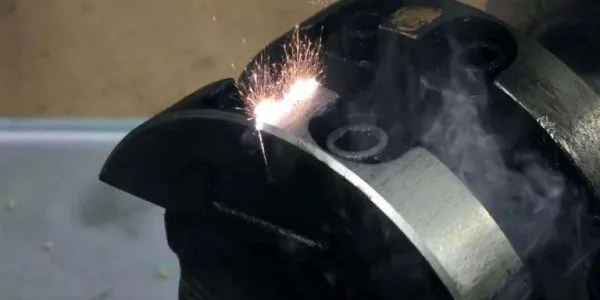
Pulsed lasers usually have lower power (100W to 1000W) and work very differently. Instead of a steady beam, they shoot extremely fast, high-energy bursts of light. While they are usually slower at clearing thick rust over huge areas, these quick bursts create a “cold process.” The beam instantly vaporizes the rust or oil, but it stops before the metal underneath gets too hot. This is absolutely required if you are cleaning expensive injection molds, thin car parts, or airplane metals where heat could permanently warp the part.
Fitting Lasers on the Assembly Line
Switching from sandblasting to laser cleaning instantly boosts your factory’s uptime. You no longer have to waste hours setting up plastic containment tents or sweeping up dirty sand. Because lasers leave no messy residue, your parts can move right to the next step on the assembly line.
Also, it is a myth that Pulsed lasers are always slower. It depends on the job. For example, if you are stripping modern paint off aluminum, a Pulsed laser is actually much faster. Tests show a Pulsed laser can clean 2.77 square meters per hour on aluminum, while a CW laser only cleans 0.36 square meters per hour.
Keeping Workers Safe (HSE)
Laser cleaning completely gets rid of the dangerous silica dust, deafening noise, and toxic waste that comes with sandblasting. It also means your workers don’t have to breathe in harsh chemical fumes.
However, because these are powerful Class 4 industrial lasers, you must update your factory’s safety rules to meet OSHA and ANSI Z136.1 standards. Lasers can cause severe eye and skin damage if used wrong. You will need to buy the correct safety glasses, set up protective barriers, and use a special HEPA vacuum (fume extractor) to suck up the vaporized rust and smoke.
The Real Cost to Own a Laser (TCO & ROI)
When you first see the price tag of an industrial laser, it can be a shock. But the real savings happen when you look at the everyday running costs (OpEx).
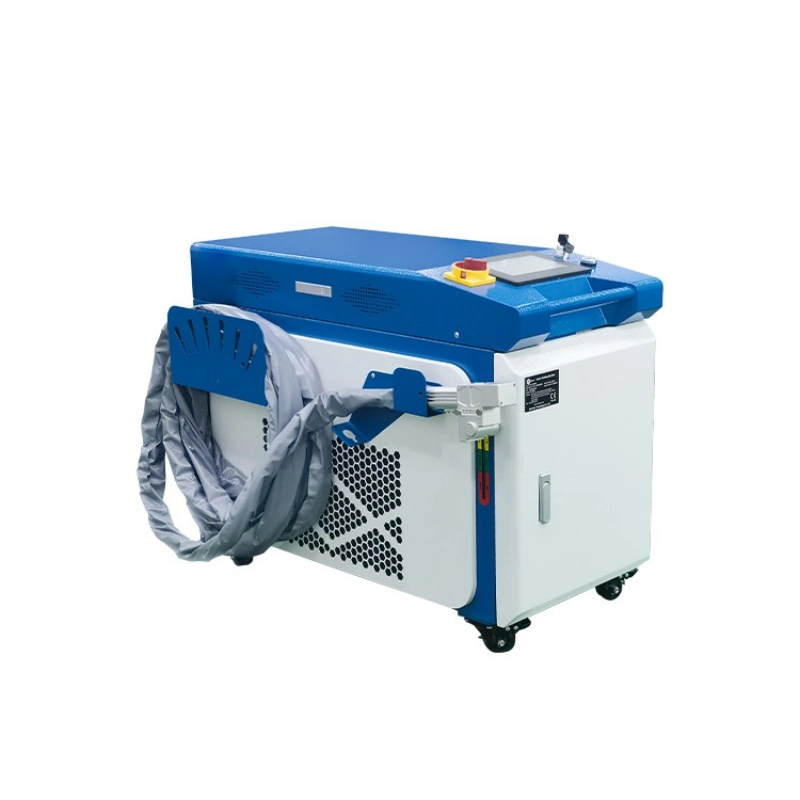
A standard sandblasting setup costs about $2,200 every month for air compressor fuel, abrasive sand, and toxic waste disposal fees. In contrast, a 1500W laser cleaner costs only about $150 a month to run. That is a massive 92% drop in costs. Lasers only need basic electricity (about $140) and cheap protective lenses (about $3). When you factor in the machine’s price over five years, plus energy, maintenance, and worker pay, running an elite laser cell costs about $35 an hour.
Quick Reference: Which Laser Wins?
| What Are You Cleaning? | CW Laser (Continuous) | Pulsed Laser (Bursts) |
| Thick Rust on Heavy Steel | Best Choice (Very Fast) | Not Great (Too Slow) |
| Expensive Injection Molds | Dangerous (Will Melt/Warp) | Best Choice (Cold Process) |
| Heavy Machine Grease/Oil | Poor (Leaves Burnt Marks) | Best Choice (Cleans Perfectly) |
| Welding Prep Work | Good (Fast Line Speed) | Best Choice (Highest Accuracy) |
Your 2026 Buying Checklist
Take this checklist to your management team to get your laser budget approved:
- Know the Base Price: A 1500W CW system usually costs between $2,500 and $5,000. A highly accurate Pulsed system costs between $7,000 and $20,000+ depending on the power.
- Include Shipping: Always ask the seller for a “Delivered Duty Paid” (DDP) quote so you aren’t surprised by hidden shipping taxes.
- Don’t Forget the Vacuum: Budget at least $800 for a proper industrial fume extractor to keep the air safe.
- Show the 5-Year Savings: Compare the 5-year running cost of the laser against 5 years of buying sand, chemicals, and paying for hazardous waste disposal. The savings will usually pay for the machine.
Making the Final Choice
If your main goal is raw speed on thick, heavy steel, the Continuous Wave (CW) laser is the smartest financial choice. If your priority is protecting expensive molds, cleaning thin metals, or vaporizing grease without leaving burnt marks, the Pulsed laser is your only safe option.
Ready to upgrade your factory? Contact our engineering team today to schedule a real-world test on your dirtiest parts to see which laser is right for you.