
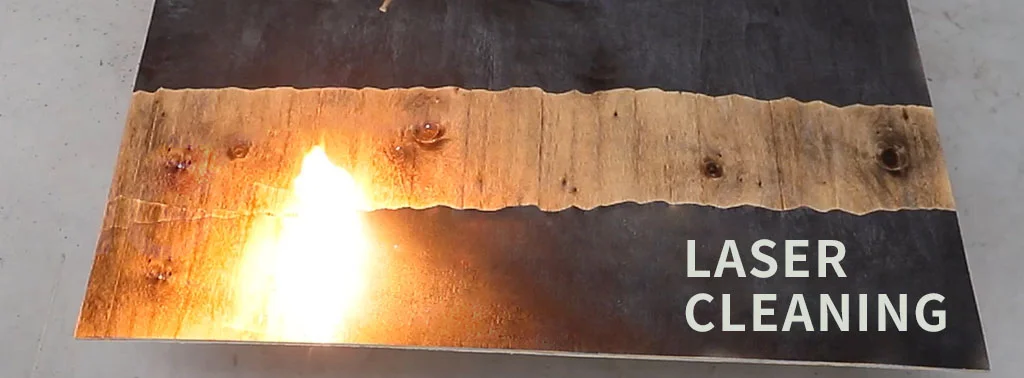
Laser paint removal from wood uses a pulsed laser cleaning machine to remove paint, coatings, and surface residue without sanding away the wood grain. Some buyers also search for this tool as a laser sander, but it does not work like traditional sandpaper. Instead of grinding the surface, the laser uses focused light to vaporize the paint layer in a controlled way.
For restoration shops, furniture refinishers, and industrial users, this method can offer a chemical-free and low-waste way to strip paint from valuable wood surfaces. However, it only works well when the right pulsed laser, safety setup, and test parameters are used.
How Laser Paint Removal Works
The effectiveness of laser wood stripping lies in two core scientific principles that ensure the wood remains unharmed.
Principle of Laser Ablation for Wood Paint Removal
The process begins when a laser emits short, intense pulses of light energy onto a painted surface. The paint layer absorbs this energy, causing it to heat up and instantly vaporize into gas and microscopic particles. This rapid expansion creates a micro-shockwave that breaks the bond between the paint and the wood, lifting the coating away layer by layer.
Selective Absorption: The Secret to Protecting the Wood
The key to preserving the wood is selecting a laser with a specific wavelength that is strongly absorbed by the paint but reflected by the wood substrate. Once the paint is gone, the wood no longer absorbs the laser’s energy, and the process automatically stops. This self-limiting feature is what prevents scorching or damage to the wood grain.
The Step-by-Step Process for Laser Stripping Paint from Wood
A successful laser paint removal project follows a systematic, five-phase protocol to ensure consistent, high-quality results.
- Initial Assessment: First, identify the wood type and coating. Softwoods like pine are more sensitive and require lower power settings, while hardwoods like oak may need higher power or multiple passes. Assess the coating type and thickness to determine the initial laser settings.
- Surface Prep & Safety Setup: Gently clean the wood surface of any loose dirt or debris. Position a high-efficiency fume extraction nozzle as close as possible to the point of work to capture all vaporized particles at the source. This is a non-negotiable safety step.
- Calibration and Spot-Testing (The Most Critical Step): Always begin by testing on a small, inconspicuous area. Start with conservative settings—low power and high scan speed—and gradually adjust the parameters. The goal is to find the precise “ablation threshold,” the point where paint is removed completely without any discoloration or damage to the wood.
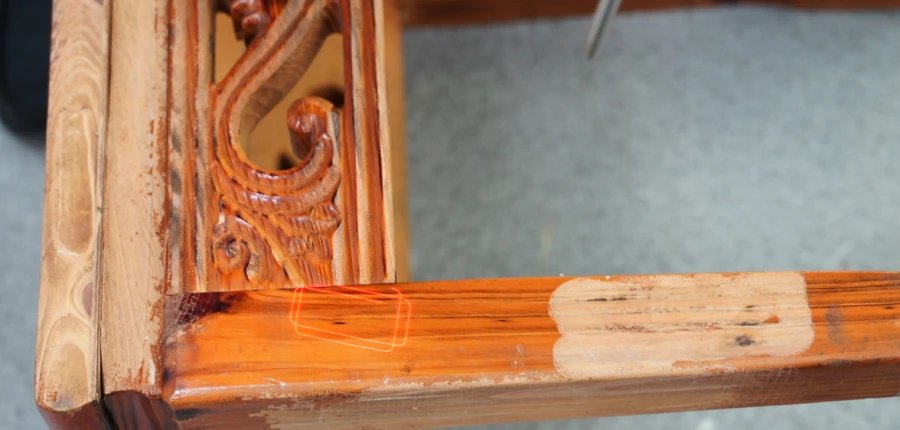
- Controlled Laser Application: Once calibrated, move the laser head methodically across the surface in smooth, overlapping passes to ensure an even finish. A slower, more deliberate pace often yields the best results on wood, reducing the chance of missed spots or visible processing lines.
- Final Inspection and Cleanup: After the laser application is complete, a fine, inert dust from the vaporized paint may settle on the surface. This residue is easily removed by wiping with a soft cloth or brush. The wood is now clean, dry, and immediately ready for staining, sealing, or repainting.
Choosing the Right Laser Machine for Wood Paint Removal
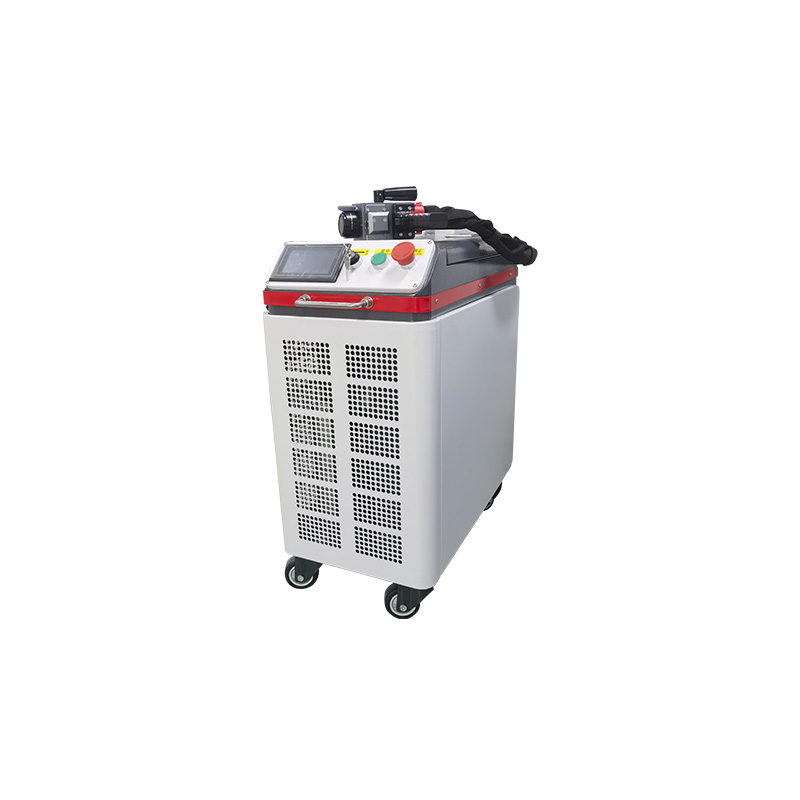
The success of laser paint removal is critically dependent on the type of laser source used. For wood, the choice is clear. Selecting a high-quality laser cleaning machine tailored for wood ensures consistent results, precise control, and protection of the wood substrate.
Why Pulsed Fiber Lasers Are Best for Wood
Pulsed fiber lasers are the recommended choice for wood and other heat-sensitive materials. They deliver energy in extremely short, high-intensity bursts, which provides two key advantages:
- The high peak power efficiently vaporizes the paint.
- The “off” time between pulses allows the wood a fractional moment to cool, preventing heat buildup and charring.
Why You Must Avoid Continuous Wave (CW) Lasers for Wood
Continuous Wave (CW) lasers emit an uninterrupted beam of energy. While often less expensive, they are entirely unsuitable for wood. The constant energy delivery leads to significant heat accumulation, which will quickly scorch, char, or even ignite the wood substrate. CW lasers are designed for heavy-duty rust removal on robust metal surfaces, not delicate organic materials.
Key Parameters for Laser Paint Removal on Wood
Properly calibrating a pulsed laser requires balancing four main settings:
- Power (Watts): Determines the removal rate. For wood, power levels typically range from 50W for delicate restoration to 500W for more robust tasks.
- Frequency (kHz): The number of pulses fired per second. A higher frequency can increase speed but also heat buildup.
- Pulse Width (ns): The duration of each pulse. Shorter pulses (e.g., 60-200 ns) are critical for wood, as they minimize the heat-affected zone.
- Scan Speed (mm/s): The speed at which the laser beam moves. Slower speeds increase energy deposition, while faster speeds reduce it.
Critical Laser Safety Protocols You Cannot Ignore
Operating a Class IV laser requires strict adherence to safety protocols to protect the operator, the workpiece, and the facility.
Personal Protective Equipment (PPE)
- Laser Safety Goggles: This is the most critical piece of PPE. Goggles must be certified to block the specific wavelength of the laser in use (e.g., ~1064 nm for fiber lasers). Standard safety glasses offer zero protection.
- Respirator/Mask: A properly fitted respirator is essential to prevent the inhalation of vaporized paint fumes and particulates.
- Protective Clothing: Wear flame-resistant, full-coverage clothing to protect skin from accidental beam exposure and reduce fire risk.
Fume Extraction is Non-Negotiable
The laser ablation process generates a plume of potentially hazardous airborne contaminants. A professional-grade fume extraction system with a source-capture nozzle is mandatory to remove these fumes before they enter the operator’s breathing zone.
Special Hazard: Removing Lead-Based Paint
Using a laser on surfaces with pre-1978 paint must be treated as a hazardous material abatement project. The laser vaporizes the lead, creating a highly toxic aerosol that is easily inhaled. This work falls under strict OSHA regulations (29 CFR 1926.62) and requires:
- Full Containment: The work area must be sealed off with heavy-gauge plastic sheeting.
- HEPA Filtration: The fume extraction system must be equipped with certified High-Efficiency Particulate Air (HEPA) filters.
- Specialized PPE: Operators must wear NIOSH-certified respirators with HEPA filters, disposable coveralls, gloves, and booties.
Fire Prevention
The combination of a high-energy laser and a flammable material like wood creates a significant fire risk.
- Clear the Workspace: Remove all flammable materials, including solvents, rags, and dust, from the immediate area.
- Use a CO2 Fire Extinguisher: Keep a CO2 extinguisher within immediate reach. Unlike a dry powder (ABC) extinguisher, a CO2 unit will not leave a corrosive residue that can damage the laser’s sensitive optics and electronics.
- Never Leave the Laser Unattended: The operator must remain present and vigilant at all times while the laser is active.
Laser vs. Traditional Wood Paint Removal Methods
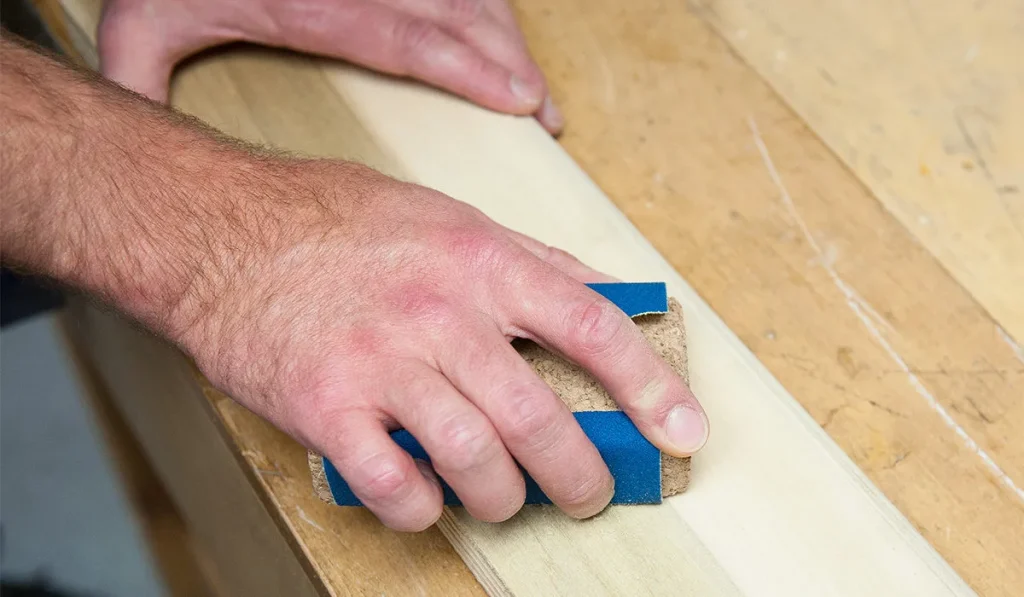
When evaluating laser vs. sanding wood or other methods, the trade-offs in precision, safety, and environmental impact become clear. If you are comparing a laser sander vs. sanding wood, the main difference is contact. Sandpaper removes both paint and a thin layer of wood, while laser ablation targets the coating layer with focused light. This makes laser cleaning more suitable for detailed, delicate, or high-value wood surfaces.
| Feature | Laser Ablation | Mechanical Abrasion (Sanding) | Chemical Stripping | Thermal Method (Heat Gun) |
| Precision & Detail | Highest; non-contact, preserves details | Low; abrasive, damages details and grain | Moderate; can bleed and wick into wood | Low; difficult to control, high risk of collateral damage |
| Substrate Damage | Low (if calibrated); preserves wood grain | High; inherently removes wood substrate | Moderate; can raise grain, leave chemical residue | Very High; high risk of scorching and ignition |
| Lead Paint Safety | Manageable with certified extraction and containment | High risk; creates large volumes of airborne lead dust | Manageable; sludge is hazardous but not airborne | Extremely Hazardous; vaporizes lead, creating toxic fumes |
| Environmental Impact | Low; chemical-free, minimal waste is captured | High; generates large quantities of hazardous dust | High; involves VOCs and hazardous sludge disposal | Moderate; can release toxic fumes from heated paint |
Cost of Laser Paint Removal for Wood
The primary barrier to adoption is the initial capital investment. However, for the right applications, the ROI can be compelling.
The Cost of Buying a Laser Cleaner
The cost of laser paint removal equipment varies significantly by power and type. For wood applications, only consider pulsed laser systems.
- Entry-Level Pulsed Systems (100W-300W): $5,800 – $12,900. Ideal for detailed restoration work.
- Mid-Range Pulsed Systems (500W): Approximately $25,000 – $30,000. Suitable for larger projects requiring a balance of speed and precision.
The Cost of Hiring a Professional Service
For businesses not ready to purchase, hiring a service is a viable option.
- Typical Hourly Rates: Expect to pay between $250 – $350 per hour. The total project cost is often lower with a more powerful machine, as it completes the work faster.
When is Laser Removal the Right Choice?
Laser wood stripping is the ideal choice for high-value, delicate, or historic projects where precision and substrate preservation are the top priorities. The technology excels in antique furniture restoration, architectural conservation, and manufacturing settings where avoiding damage is critical. It is generally not cost-effective for large-scale, low-precision projects where speed is the only consideration.
Laser Paint Removal from Wood FAQ
No. Laser ablation is a surface-level process and is ineffective against stains that have soaked into the wood fibers. Attempting to remove a stain would require burning away the wood itself.
The process works on both hardwoods and softwoods, but the laser parameters must be carefully calibrated for each. Softwoods like pine are more susceptible to scorching and require lower power settings and greater operator care.
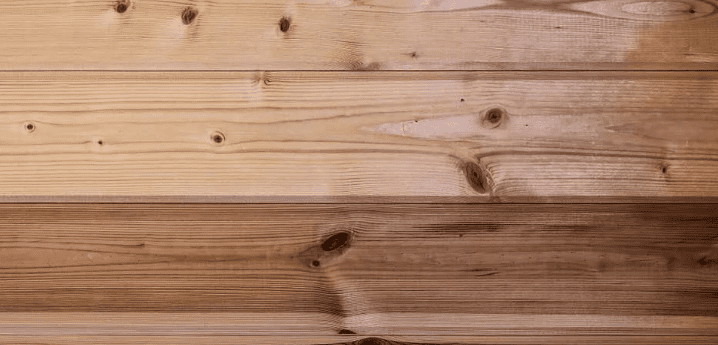
When calibrated and operated correctly, a laser leaves a clean, uniform surface. Any faint lines visible immediately after processing are typically inert dust from the ablation process, which can be easily wiped away.
Yes, pulsed fiber lasers are highly effective for removing paint from both softwoods and hardwoods. Proper adjustment of power, pulse width, and frequency ensures complete paint removal without damaging the wood surface.
Yes, small pulsed laser systems can handle detailed areas or smaller surfaces, making them ideal for furniture refinishing, antique restoration, or intricate woodworking projects.
Pulsed fiber lasers are the safest choice for wood, as they deliver energy in short bursts, minimizing heat buildup and preventing scorching or charring. Continuous Wave (CW) lasers are not recommended for delicate wood surfaces.
Yes. A pulsed laser sander, more accurately called a pulsed laser cleaning machine, can remove paint from wood when the settings are carefully tested. It is best for controlled paint removal on furniture, restoration work, and detailed wood surfaces.
Conclusion
Laser paint removal offers a transformative capability for wood restoration, delivering a level of precision and cleanliness that traditional methods cannot achieve. The process is safe, environmentally friendly, and highly effective when the right equipment—a pulsed fiber laser—is used with meticulous calibration and strict adherence to safety protocols.
While the high initial investment and operational learning curve are significant considerations, the superior results and elimination of chemical consumables can deliver a strong return on investment for businesses focused on high-value restoration and manufacturing. For professionals committed to preserving the integrity of wood, laser technology is a powerful tool for the future of the craft.