China Laser Source Supplier

What is Laser Source

A Laser Source is the core component within a laser system responsible for generating the actual laser beam. It produces an intense beam of light that is highly monochromatic (a single wavelength), coherent (waves in phase), and collimated (travels as a tight, parallel beam). This unique light is created through a process called stimulated emission, where a specific material (the ‘gain medium’ – like a doped fiber, gas mixture, or crystal) is energized by a ‘pump source’. An optical resonator then amplifies and organizes the light emitted by the gain medium into the final laser beam.

Different types of laser sources exist, primarily defined by their gain medium, such as Fiber lasers, CO2 lasers, Nd:YAG lasers, and UV lasers (often derived from other laser types). Each type produces a beam with distinct characteristics, most importantly its wavelength and power capabilities. This choice of laser source is fundamental, as it dictates which materials the laser system can effectively process and determines its suitability for specific applications like marking, welding, or cutting.

Laser Source for Sale

As an established manufacturer of advanced laser machines, Riselaser designs and builds high-quality systems in-house. In addition to our own manufacturing capabilities, we maintain strong collaborative partnerships with several leading companies specializing in laser components and accessories. This strategic approach ensures we can offer enhanced flexibility and customization for our clients.

Specifically, regarding the crucial laser source – the core ‘engine’ that dictates the machine’s power and performance – these partnerships allow us to provide you with options from a selection of highly-regarded brands based on your specific requirements and preferences. We are equipped to integrate laser sources from leading manufacturers including MAX Photonics, Raycus, JPT, and Reci, among others, into our machine configurations.

This flexibility means we can help you configure a laser system with a source that precisely matches your application needs, budget considerations, and performance expectations, ultimately delivering a solution tailored for your success.

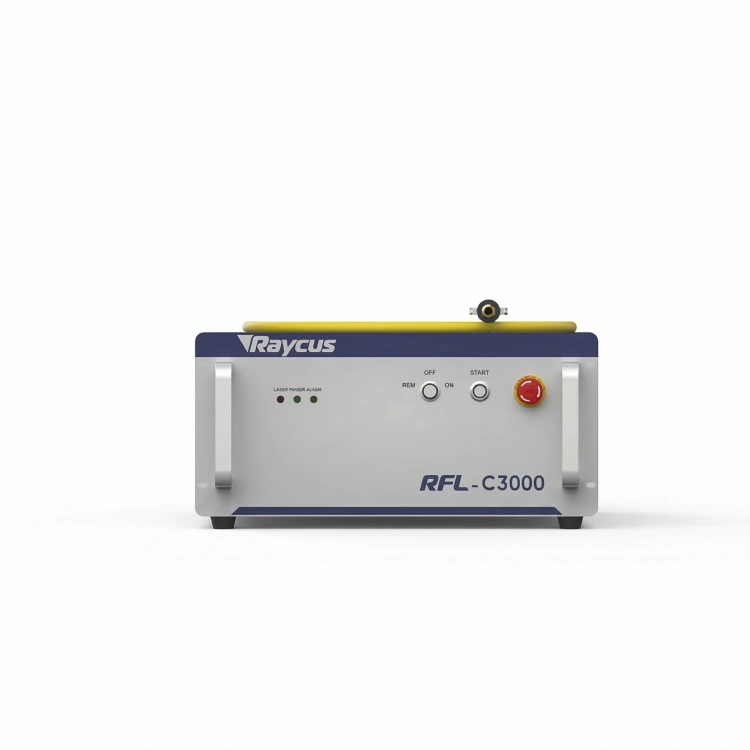
3000w raycus laser source

RFL-C3000 3000W Raycus Laser Source

3000W Raycus Laser Source The RFL-C3000S 3000W Raycus fiber laser source is a continuous-wave fiber laser...
https://riselaser.net/

RL-PLS UV Picosecond Laser Machine Microsecond Laser Source

Product Application The RL-PLS uv picosecond laser machine is able to send a huge amount of energy in...
1500w Fiber Laser Source

RL-RECI 1500w Fiber Laser Source

Product Overview The RECI 1500W Fiber Laser Source is a high-performance laser solution designed for...
https://riselaser.net/

RL-HANS MOPA Fiber Laser Source 30W High Quality for Metal Laser Marker Engraver Part

Product Introduction RL-HANS is a pulsed pulse independently developed by Han’s Laser and designed with...
JPT 1000W Laser Source

RL-JPT 1000W 2000W CW Fiber Laser Source For Laser Cutter Power Module Laser Generator

Product Description RL-JPT fiber laser source has many advantages such as high electro-optic conversion...
High Power Laser Source

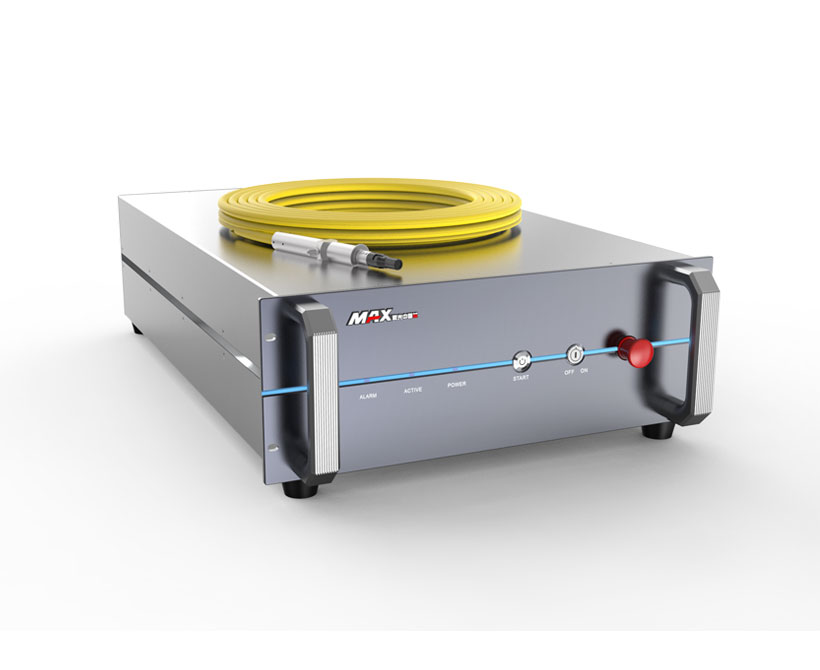
RL-MAX03 MAX 6000W High Power Laser Source

Product Overview The RL-MAX03 MAX 6000W High Power Laser Source is designed for heavy-duty industrial...
https://riselaser.net/

RL-RECI6000 6000W High-power Fiber Laser Source

Product Application The RL-RECI6000 laser source can be used in laser cutting machines and laser welding...
https://riselaser.net/

RL-PLS Industrial UV Laser Source Generator for Laser Cutter Laser Marker

Product Description Our UV laser source is widely used in the field of laser engraving machines, and...
https://riselaser.net/

RL-MAX02 Fiber Laser Power Source For Marking Engraving Mopa Pulase 10W 20W 30W

Product Introduction RL-MAX02 Based on the q-switch main oscillator, high power fiber amplifier (MOPA)...

1000W Fiber Laser Source

RL-MAX01 MAX 1000W Fiber Laser Source

Product Overview The RL-MAX01 MAX 1000W Fiber Laser Source is a high-performance industrial laser designed...
1 2

What is the Laser Source Price?

Based on common types and the brands you mentioned (MAX, Raycus, JPT, Reci), here are some general price indications (as of April 2025, showing baseline international pricing in USD):

Fiber Laser Sources (Commonly from MAX, Raycus, JPT):

Low Power (Pulsed – for Marking): Sources like Q-switched or MOPA fiber lasers in the 20W to 100W range from these brands typically cost roughly $500 USD to $1,500+ USD.
Mid-to-High Power (Continuous Wave – CW – for Cutting/Welding): Prices increase sharply with power. A 1kW CW source might start around $1,200 – $3,000+ USD. A 2kW-3kW source could be in the $3,000 – $8,000+ USD range, while a 6kW source might approach $8,000 – $9,000 USD or more. Higher powers (12kW+) increase further. (Note: Premium brands like IPG are significantly more expensive, often starting over $10,000 USD even for 1kW).
CO2 Laser Sources (Glass Tubes – e.g., Reci):

These are generally less expensive for their average power compared to Fiber or RF CO2 sources. Typical glass tubes used in engravers/cutters (like Reci W-series, 75W to 150W) usually range from about $450 USD to $2,500 USD.
Key Factors Influencing Laser Source Price:

Laser Type: Fiber vs. CO2 (Glass/RF) vs. UV vs. Nd:YAG etc. have vastly different costs.
Power Output: Higher Watts (for CW) or Joules (for pulsed) significantly increases price.
Brand & Origin: Established Western/Japanese brands (e.g., IPG, Coherent, Trumpf) are typically much more expensive than many Chinese brands (e.g., MAX, Raycus, JPT, Reci), reflecting differences in performance specs, reliability data, and support.
Beam Quality (M²): Higher beam quality often costs more.
Specific Features: Pulsed (Q-switched, MOPA) vs. Continuous Wave (CW), specific wavelengths, cooling requirements, integrated drivers.

Frequently Asked Questions

What is a laser source, and what are the common types used industrially?

A laser source is the core component within a laser machine that generates the actual laser beam. It produces highly directional, monochromatic (single wavelength), and coherent light through a process called stimulated emission. Common types used in industrial marking, welding, and cutting include:

  • Fiber Lasers: Known for efficiency, reliability, excellent beam quality, and suitability for metals (typical wavelength ~1µm).
  • CO2 Lasers: Gas lasers producing far-infrared light (~10.6µm), ideal for processing organic materials (wood, paper, leather, acrylic) and non-metals like glass. Come in lower-cost glass tube or longer-lasting RF (metal) tube types.
  • UV Lasers: Produce ultraviolet light (~355nm), often via frequency conversion. Excellent for « cold marking » heat-sensitive materials, plastics, glass, and silicon with minimal thermal damage.
  • Nd:YAG Lasers: A type of solid-state laser often used in pulsed mode, common in older marking systems or specialized applications like jewelry welding.

Several characteristics determine a laser source’s suitability:

  • Wavelength (nm): This is critical as it dictates how well different materials absorb the laser energy. For example, fiber lasers (~1µm) are well-absorbed by metals, while CO2 lasers (~10.6µm) are well-absorbed by organics and glass. UV lasers (~355nm) have high absorption across a very wide range of materials.
  • Power Output: This determines the processing speed and capability. It’s measured in average Watts (W) for continuous wave (CW) lasers used in cutting/welding, or often peak power (Watts or Joules per pulse) for pulsed lasers used in marking, engraving, or fine welding.
  • Operating Mode: Whether the laser operates in Continuous Wave (CW) for constant power delivery or Pulsed mode (like Q-switched or MOPA) for high peak power bursts impacts the application (e.g., CW for cutting, pulsed for marking).
  • Beam Quality (M²): Indicates how tightly the beam can be focused, affecting precision.

Lifespan varies significantly by technology and quality:

  • Fiber Lasers: Generally offer very long operational lifespans, often rated with a Mean Time Between Failures (MTBF) of 50,000 to over 100,000 hours, and require minimal maintenance.
  • CO2 RF (Metal) Tubes: Also known for reliability and long life, typically rated for 20,000 to 45,000+ hours.
  • CO2 Glass Tubes: Have a much shorter lifespan, usually ranging from 1,000 to 5,000 hours depending on usage and quality, requiring periodic replacement.
  • Nd:YAG Lasers: Lamp-pumped versions require frequent lamp changes (hundreds of hours), while diode-pumped versions offer much longer diode lifespans (tens of thousands of hours). UV sources’ lifespans depend on the underlying laser and conversion components.

Yes, the brand often matters significantly in terms of cost, performance consistency, reliability, and support.

  • Premium International Brands (like IPG, Coherent, Trumpf, Synrad) generally have higher price points but often offer leading performance specifications, extensive reliability data, potentially better long-term stability, higher beam quality, and wider global service networks.
  • Cost-Effective Brands (like Raycus, MAX, JPT for fiber; Reci for CO2 glass tubes) provide capable solutions at a much lower initial cost, making laser technology more accessible. They are widely used and suitable for many applications, though performance in the most demanding scenarios or long-term support might differ from premium brands. The best choice depends on the specific application requirements, budget, and the level of performance and support needed.

Contact us

We will reach out to you within 24 hours at the email address you provided. Please keep an eye on your inbox.

WhatsApp Icon