Home » Laser Marking Machines » UV Laser Marking Machines
China UV Laser Marking Machine Manufacturers
High-precision cold marking solutions from a leading manufacturer.
Best UV Laser Marking Machines for Sale
Explore our range of 355nm UV laser marking machines, engineered for ultra-precise, ‘cold’ marking on sensitive materials like glass, plastics, and ceramics.
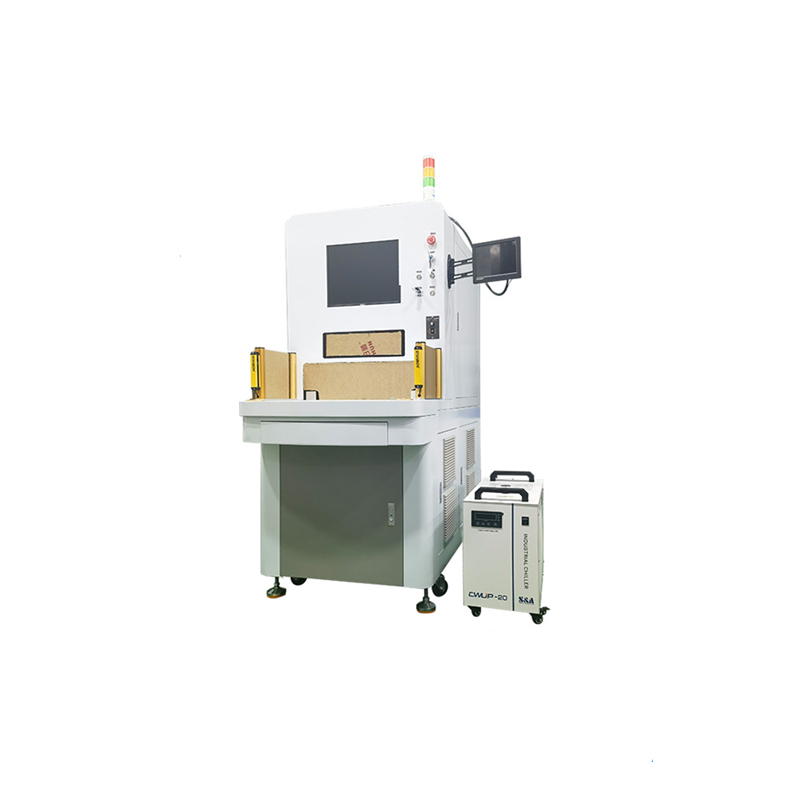
RL-UV15 Factory Laser Marking Machine Liquid-cooled UV Laser Labeler
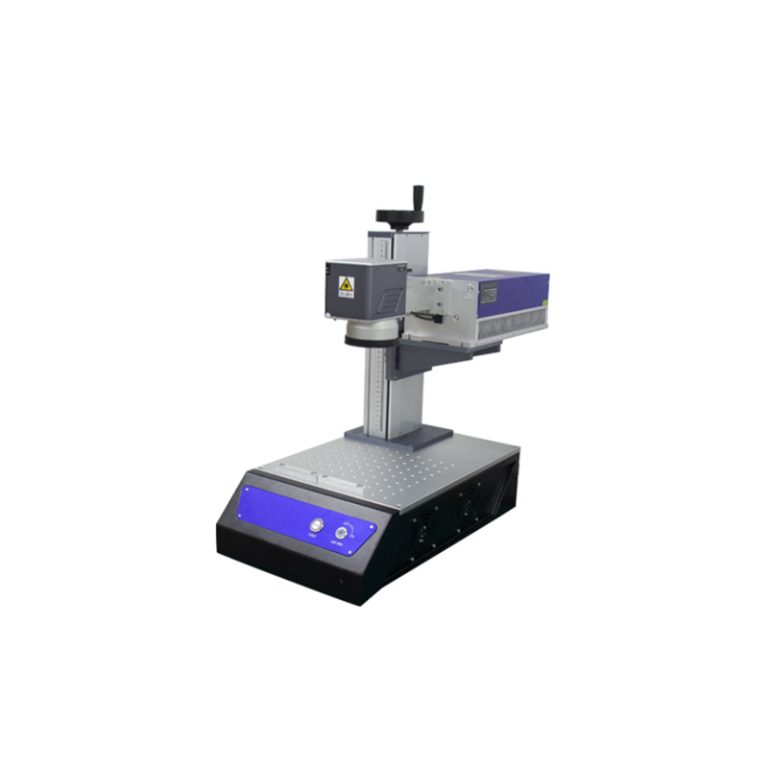
RL-UVG Portable Desktop UV Laser Marking Machine
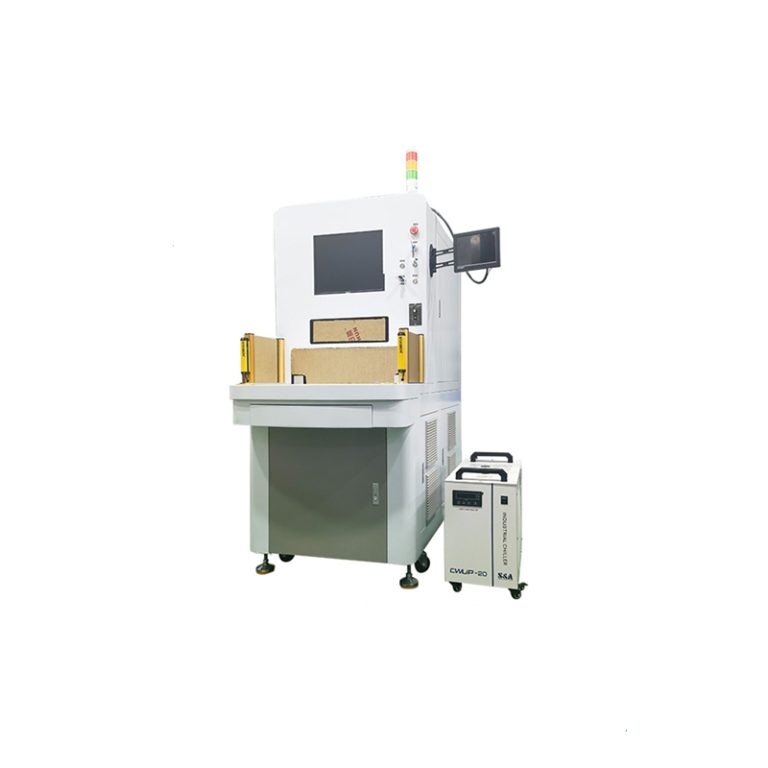
RL-20 30AIO High precision pvc id card laser printer 3W/5W UV laser marking machine For Metal Non-Metallic Acrylic
What is UV Laser Marking Machine?
A UV Laser Marking Machine uses a computer-controlled ultraviolet laser beam, usually at 355 nm. It is renowned for its “cold marking” process—creating permanent, high-resolution marks by breaking chemical bonds with minimal thermal footprint. This makes it the perfect solution for heat-sensitive materials that traditional fiber lasers might damage, including plastics, glass, ceramics, silicon, wood, paper, and leather.
Because the process is incredibly precise and causes minimal material stress, these machines are essential for demanding applications:
Micro-Precision Marking: Produces extremely fine details like tiny text, complex logos, high-resolution barcodes, and serial numbers.
Electronics & Semiconductors: Ideal for safely marking sensitive microchips, circuit boards, and electronic components.
Medical & Pharmaceutical: Meets strict industry standards for marking medical devices, surgical tools, and specialized packaging.
Glass & Plastic Processing: Achieves high-contrast, flawless marks on delicate surfaces where heat damage must be completely avoided.
Applications & Materials: What Can a UV Laser Marker Engrave?
Utilizing a 355nm “cold marking” process, UV laser marking machines break chemical bonds with minimal thermal impact. This unique capability allows them to engrave highly sensitive materials without causing melting, discoloration, or micro-cracks—issues commonly faced with traditional fiber or CO2 lasers.
Our precision UV lasers are the ideal solution for high-contrast marking on a wide range of challenging substrates, including:
Glass & Crystal: Achieve flawless, high-detail marks on delicate glassware, optics, and intricate display panels without heat damage.
Plastics & Polymers: Perfect for avoiding melting or charring on sensitive electronic housings, switches, and PVC cables.
Silicon Wafers & Ceramics: Delivers ultra-precise micro-marking for semiconductor manufacturing and delicate electronic components.
Thin Foils & Metals: Creates clear surface contrast without excessive heating or warping.
Organic Materials: Safely engrave wood, paper, and leather for specialized packaging applications.
Because they keep the material intact while delivering microscopic precision, UV lasers are indispensable in critical industries like electronics manufacturing, medical device marking, and specialized glass processing.
How Much Does a UV Laser Marking Machine Cost?
The typical price for UV laser marking machines usually starts around $2,000 to $4,000 USD. These models are generally basic desktop units with lower laser power, like 3W to 5W. But this is just the starting point. Prices go up a lot when you choose higher power lasers, such as 10W or 15W, which mark faster and handle tougher jobs.
Another big factor is the machine’s setup. Integrated systems with bigger marking areas cost more. Adding features like rotary devices or vision systems also raises the price. Advanced software and full Class 1 safety enclosures add even more to the cost. Simple standalone machines are cheaper, but less flexible. So, the final price depends on the power, features, and how complex the machine is.
Frequently Asked Questions
What is a UV Laser Marking Machine and its main advantage?
A UV Laser Marking Machine is a computer-controlled system that uses focused ultraviolet light around 355nm wavelength. Its main benefit is the “cold marking” process. This means it breaks material bonds using a photochemical reaction with very little heat. Because of this, it can create high-resolution marks without damaging heat-sensitive materials. Other lasers might cause melting or stress, but UV lasers avoid that.
Are UV Laser Marking Machines safe? What precautions are needed?
UV lasers are usually Class 4 lasers. They emit dangerous invisible UV rays that can seriously harm your eyes and skin. Safety must come first. Always use machines with fully enclosed housings, which is common for UV laser systems. If the machine isn’t fully enclosed, wearing certified laser safety glasses made for the 355nm wavelength is required. These glasses have the right optical density to block harmful rays. Good fume extraction is also important to keep the air clean. Proper training for operators is a must. Following local safety rules, like those under the Workplace Safety and Health Act, is critical to stay safe.
How does UV laser marking compare to Fiber or CO2 laser marking?
They excel in different areas:
- UV Laser: Best for heat-sensitive materials, virtually all plastics, glass, silicon, and achieving very fine, damage-free marks (« cold marking »).
- Fiber Laser: Best for high-contrast, durable marks (including deep engraving or annealing) on most metals and some plastics.
- CO2 Laser: Best for organic materials like wood, paper, leather, acrylic, rubber, and clear glass. The choice depends heavily on the primary material being marked.
How do I choose the right UV laser power (e.g., 3W, 5W, 10W)?
Selecting the appropriate UV laser power depends on your specific needs:
- Lower Power (e.g., 3W): Often sufficient for marking highly sensitive materials like certain plastics, glass, or silicon where minimizing any thermal effect is paramount. It can produce excellent high-resolution marks but might be slower for some applications.
- Medium Power (e.g., 5W): Offers a good balance between speed and capability for a wide range of plastics, ceramics, glass, and some metals. It’s a versatile choice for many common UV applications.
- Higher Power (e.g., 10W+): Provides faster marking speeds (higher throughput), potentially better contrast on certain materials, or the ability to process slightly less sensitive materials more efficiently. The best choice involves considering your primary materials, desired marking speed, the required mark quality/contrast, and budget. Testing on your specific samples is highly recommended.