
Home » Robot Laser Welding Machines » Collaborative Robot Laser Welding Machines
Collaborative Robot Laser Welding Machine Manufacturers
What is Collaborative Robot Laser Welding Machine
A Collaborative Robot Laser Welding Machine pairs a safe, collaborative robot (cobot) with a laser welding tool, often a handheld-style welding head. In this setup, the cobot mainly helps the human operator by holding or supporting the welding head’s weight. The cobot does not usually perform complex welding paths on its own. Instead, the human guides the welding head while the cobot steadies it, reducing fatigue.
This assistive method improves operator comfort and helps make welds more consistent than fully manual work. It works well for small production runs or when welding larger parts that can tire a worker. It’s also useful for jobs that need a human’s fine control but benefit from steady tool support. This approach bridges the gap between manual welding and full automation.
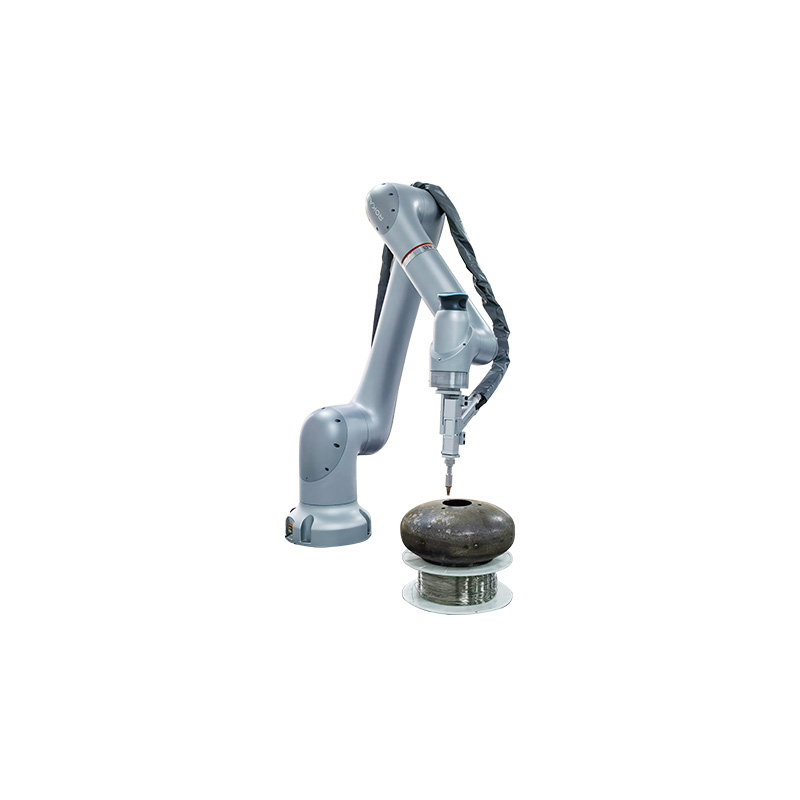
Best Collaborative Robot Laser Welding Machine for Sale
Finding the best fit for your welding needs involves considering several important factors.There are many things to think about, like picking the right cobot model with enough payload, reach, and safety features. You also need to consider how easy it is to program and set up. The laser power is usually lower for cobots, so choosing the right laser source matters. Picking the best welding tool and making sure safety systems work well for human collaboration is important too. The control interface should be simple for operators to use.
To make your choice easier, we offer complete collaborative robot laser welding solutions and integration support. Our goal is to help you get better support for manual welding tasks. You’ll see improved weld consistency compared to freehand work. The system also reduces operator fatigue and boosts precision. Plus, it adds flexibility for small batch production in shared workspaces. With our help, adopting cobot welding becomes smooth and effective.
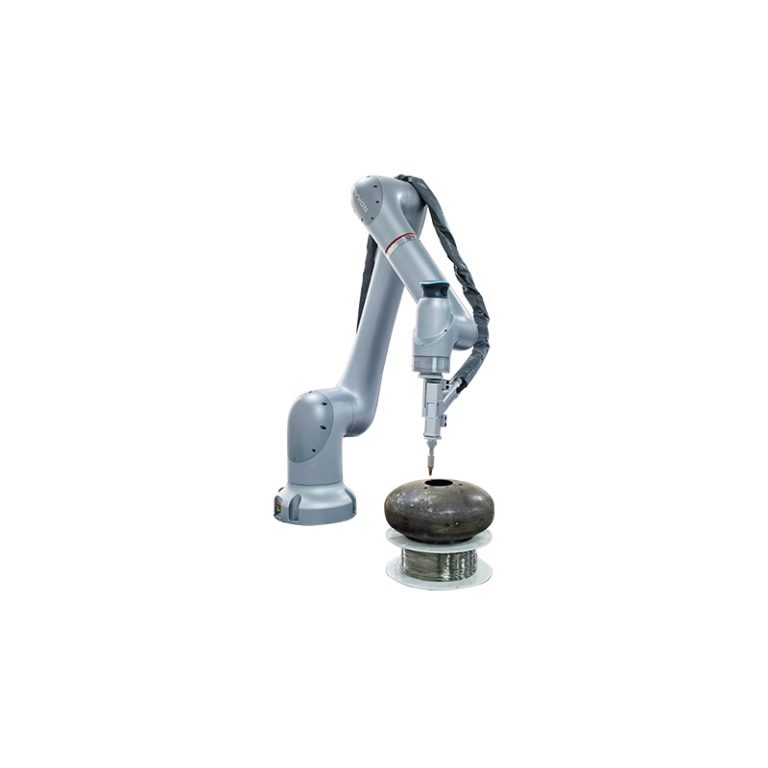
RL-CR Collaborative Laser Welding Robot
What can Collaborative Robot Laser Welding Machine do?
Collaborative robot laser welding combines a safe cobot arm with a laser welder to join metals like stainless steel, aluminum, and titanium. It offers the high precision of laser welding. This method is usually faster and much more consistent than manual handheld welding for repeated tasks. Key benefits include excellent repeatability and built-in safety that lets humans work closer to the robot, with proper risk checks. Programming is often simpler than with industrial robots. Plus, the initial cost is lower than full industrial robotic systems.
These features make the system flexible and reliable. Cobot laser welding works well for small, precise parts used in electronics and medical fields. It helps automate repetitive welds quickly. It is ideal for small to medium production runs. The cobot also holds the tool steady for tasks where humans guide the work. This approach makes it easier to get automated welding quality and consistency.
What is the Collaborative Robot Laser Welding Machine Price?
The price for a Collaborative Robot Laser Welding Machine typically falls between $8,000 USD and $10,000 USD. This price point is somewhat more affordable than conventional industrial (automatic) robotic laser welding systems, making it potentially an attractive option, particularly for smaller factories or workshops.
Frequently Asked Questions
What are the key advantages of using a cobot for laser welding tasks?
Key advantages include combining the high precision and low heat input of laser welding with the benefits of cobots. This leads to very consistent and repeatable weld quality, often better than manual welding. It can also speed up repetitive tasks compared to doing them by hand. Programming and setup are usually easier and faster than with traditional industrial robots, often using hand-guiding or simple interfaces. Safety is improved too, allowing humans to work closer to the robot in shared spaces-though strict laser safety rules still apply.
What types of applications or industries are best suited for cobot laser welding?
Cobot laser welding works especially well for small-to-medium-sized parts that need high precision. It’s often used in industries like electronics and medical devices. This method is great for automating repetitive welding jobs in flexible factories. It handles small to medium batch sizes with frequent changes easily. Cobot welding also fits well in general sheet metal work. It’s perfect when human workers need to be nearby or do other tasks close to the welding. For small and medium businesses, cobots offer a way to start using welding automation without huge costs or complexity.
How is safety managed when using cobots for laser welding near humans?
While cobots have built-in safety features like limits on force and speed that let them work near people, adding a powerful Class 4 laser brings serious risks. Because of this, strong safety measures are essential. This usually means using fully enclosed laser safety cabinets with proper interlocks to keep the laser beam contained. A thorough risk assessment helps decide the right safeguards. Operators must wear certified laser safety glasses made for the laser’s specific wavelength. Good fume extraction is also needed to remove harmful smoke. Finally, strict rules must be followed for both cobot and laser safety, including standards like ISO, ANSI Z136, IEC 60825, and local workplace laws.
What metals can typically be welded with a cobot laser welding system?
Cobot laser welding systems can weld most metals that are suitable for laser welding in general. This includes Stainless Steel, Carbon Steel, Aluminum alloys, Titanium alloys, Copper alloys, Nickel alloys, and other specialized or high-temperature alloys. The thickness they can effectively weld primarily depends on the power of the integrated laser source, with systems often being paired wit