


Buyer Guide
How to Choose the Right Handheld Laser Welding Machine
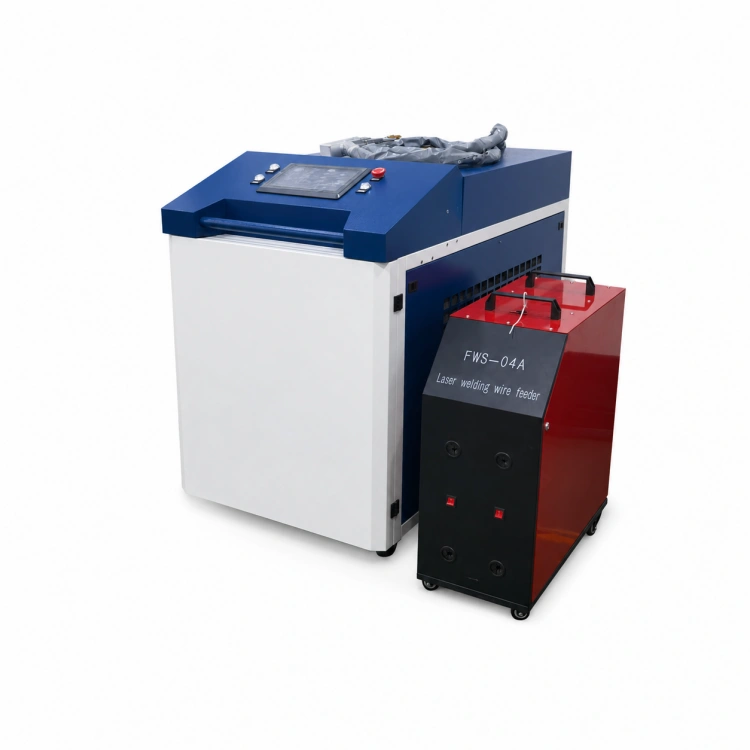
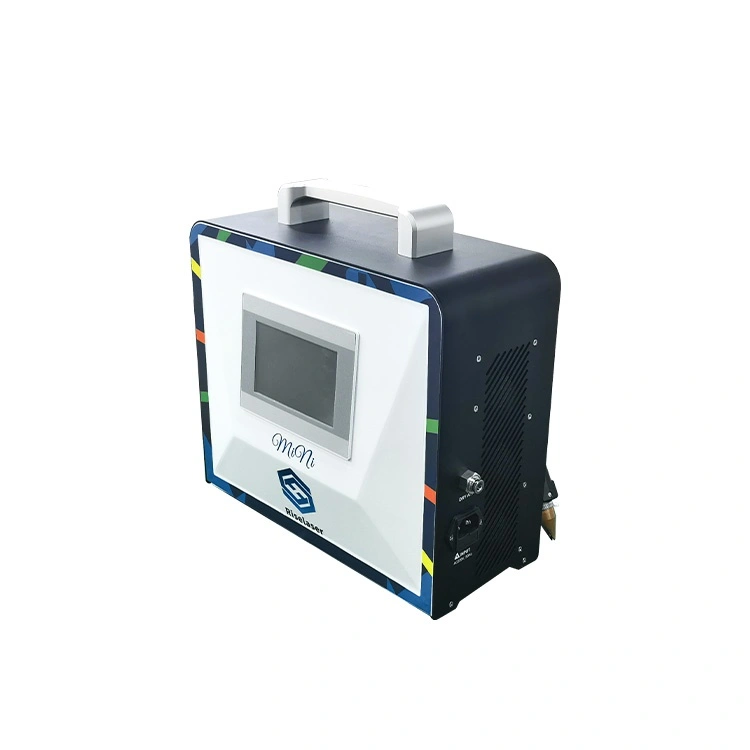
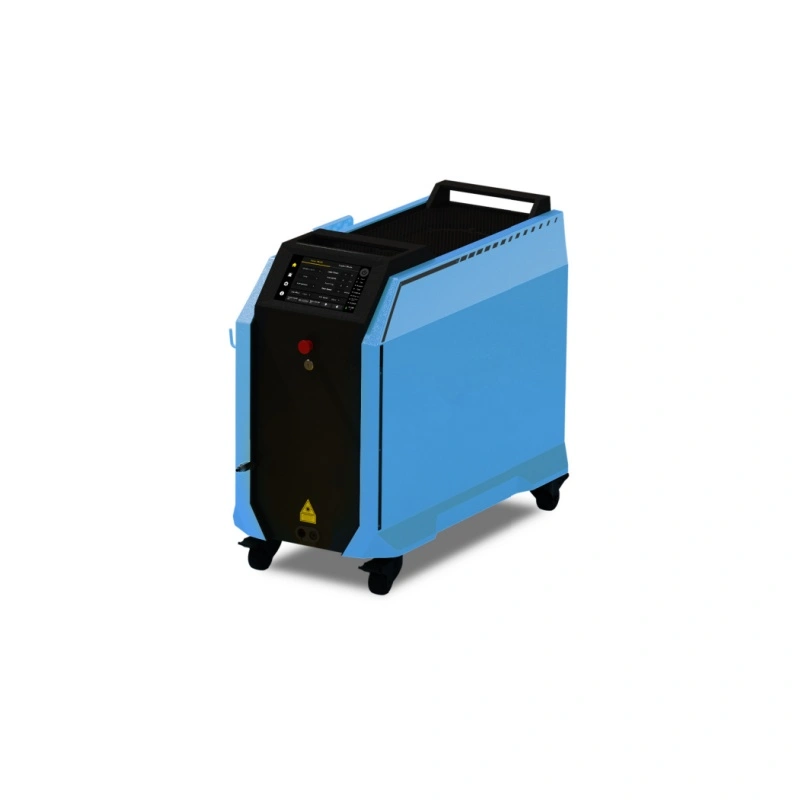
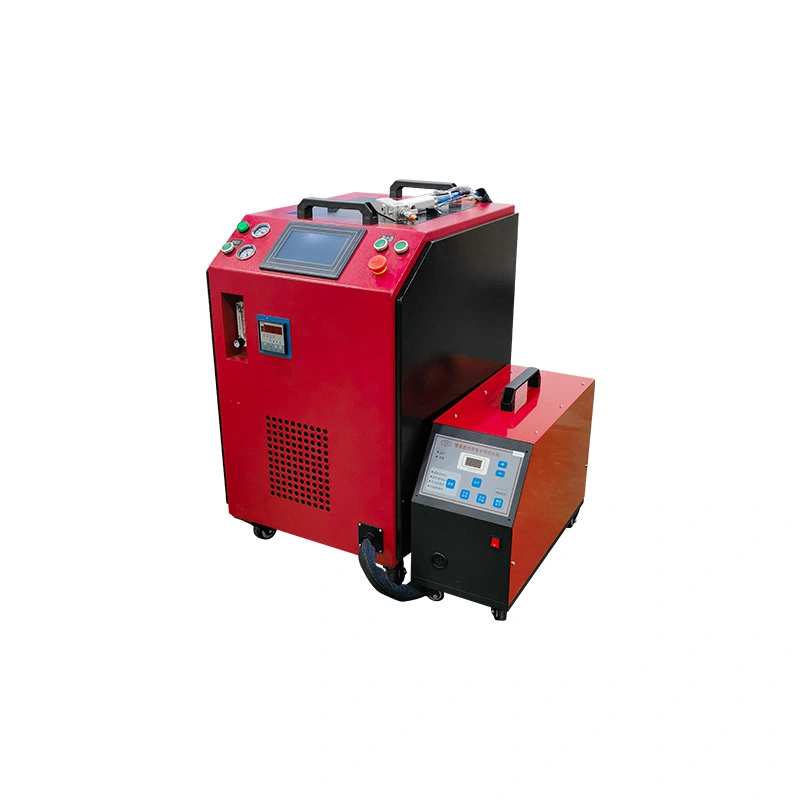
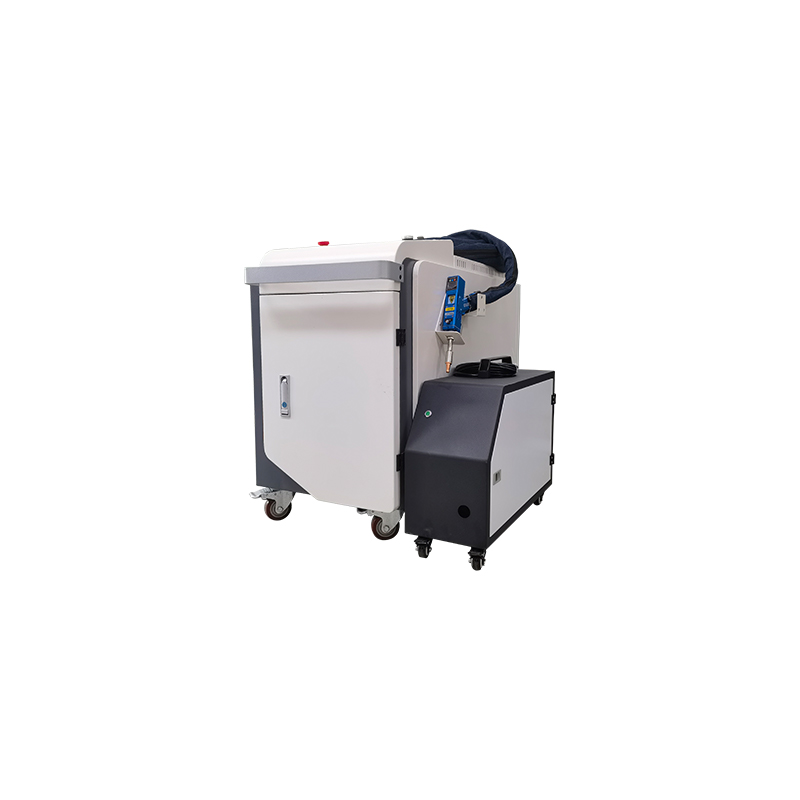
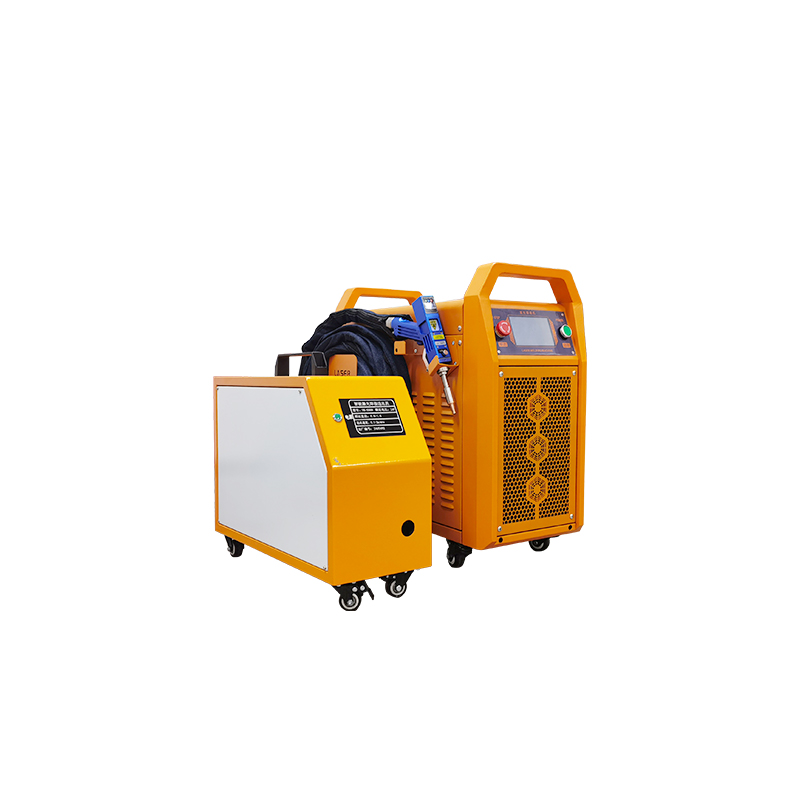
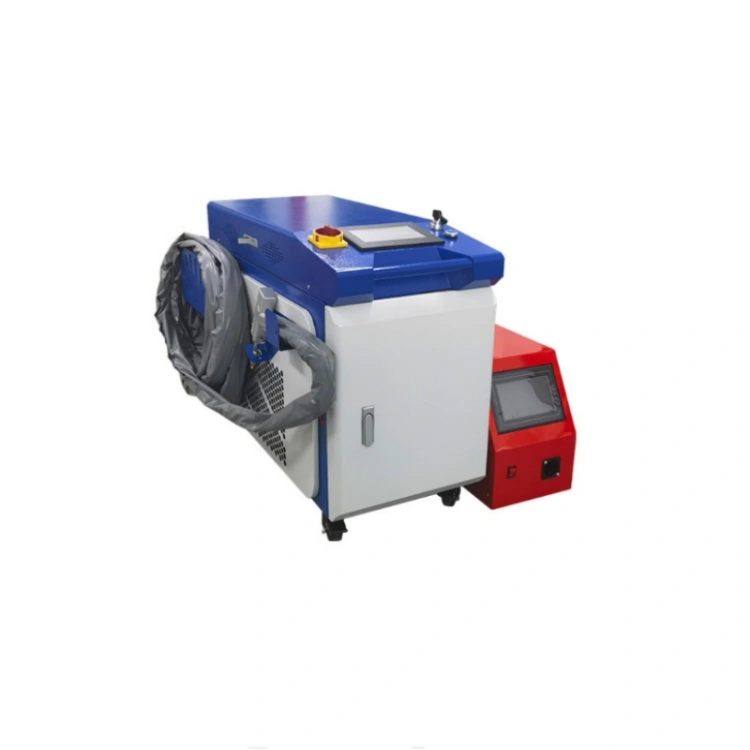
Choose the cooling system first, then select the laser power based on your material, welding thickness, working environment, and production needs. Air-cooled models are better for portability, while water-cooled models are better for continuous industrial welding and higher power applications.
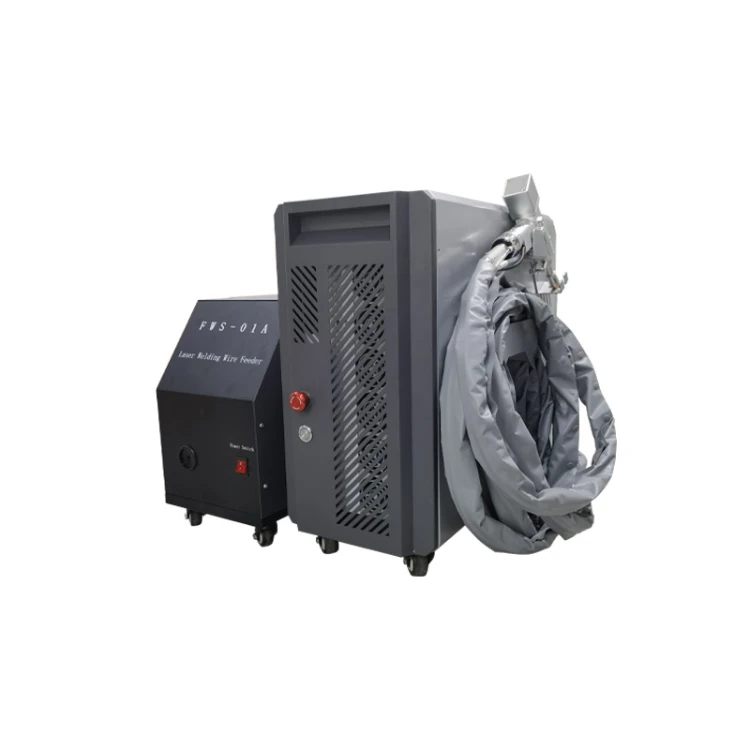
Air-Cooled Handheld Laser Welder
Air-cooled handheld laser welders are compact, lightweight, and easy to move. They are a good choice for repair work, mobile welding jobs, thin sheet metal, and workshops where portability matters.
- Recommended power: 1500W–2000W
- Best for: portable welding and light to medium-duty jobs
- Advantage: smaller size, lighter body, and easier movement
- Note: higher price and more sensitive to high workshop temperature
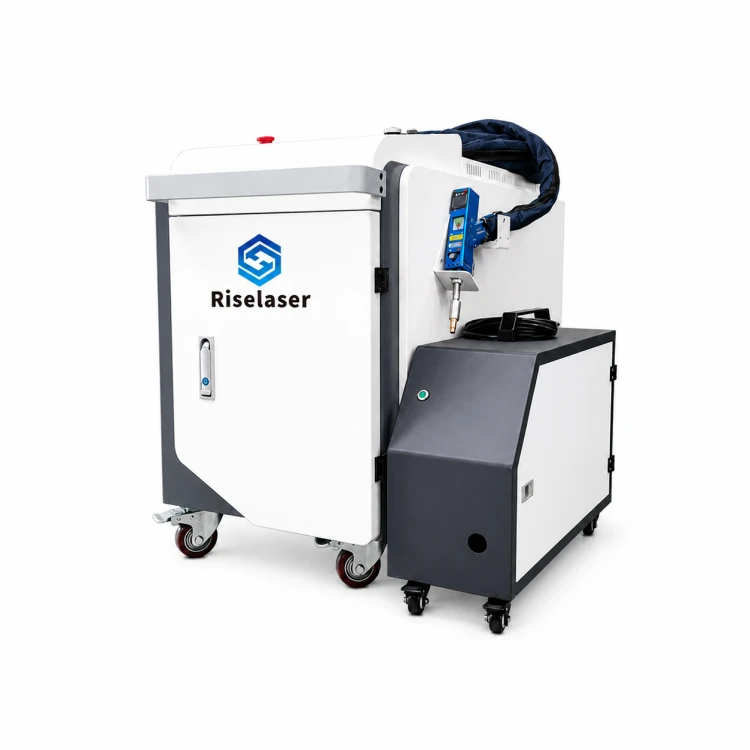
Water-Cooled Handheld Fiber Laser Welder
Water-cooled handheld laser welding machines are usually more cost-effective for the same power level. They are better suited for continuous factory production, thicker metal welding, and long working hours.
- Recommended power: 1500W, 2000W, 3000W, and 6000W
- Best for: regular production and industrial metal fabrication
- Advantage: stable cooling and better value for high-power use
- Note: heavier machine; cooling water may freeze near 0°C
6000W Water-Cooled Handheld Laser Welding Machine
For heavy-duty welding, thick plates, and deeper penetration, a 6000W water-cooled handheld laser welding machine is the better choice. This power level is not suitable for air-cooled design in most industrial welding conditions.
- Recommended power: 6000W
- Best for: thick carbon steel, stainless steel, and heavy-duty parts
- Cooling type: water-cooled only
- Use case: deep penetration welding and high-power industrial applications
Choose Laser Power by Welding Needs
After choosing air-cooled or water-cooled design, select the laser power based on your material, welding thickness, working time, and production needs. For most handheld laser welding applications, 1500W, 2000W, 3000W, and 6000W are the main power choices. 1500W and 2000W models can be air-cooled or water-cooled, while 3000W and 6000W models are recommended with water cooling for better heat control and continuous welding.
| Laser Power | Cooling Type | Best For | Selection Advice |
|---|---|---|---|
| 1500W | Air-cooled or water-cooled | Thin sheet metal, repair work, stainless steel, carbon steel, and light aluminum welding | Choose air-cooled if portability is important. Choose water-cooled if you want lower cost and longer continuous welding time. |
| 2000W | Air-cooled or water-cooled | General metal fabrication, higher welding speed, and medium-duty workshop welding | Choose air-cooled for a compact and movable machine. Choose water-cooled for regular factory production and better cooling stability. |
| 3000W | Water-cooled | Thicker metal welding, faster production, and continuous industrial welding jobs | Recommended for workshops that need stronger welding capacity and longer working hours. Air-cooled design is not recommended at this power level. |
| 6000W | Water-cooled | Thick plate welding, deep penetration welding, and heavy-duty industrial metal parts | Choose this model when high penetration and thick metal welding are required. It should use a water-cooled system. |
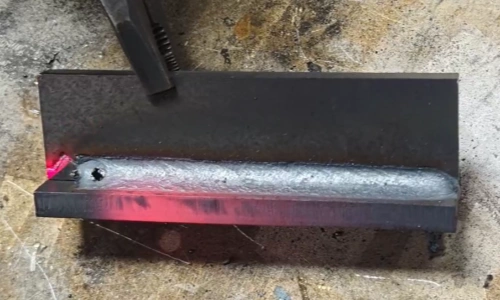
Heavy-Duty Welding Samples with 6000W Handheld Laser Welder
These welding samples show thick carbon steel plate welding, butt welding, single-side welding, and wide weld seam results with a high-power handheld laser welder.


Machine Configuration
Configuration Options for Handheld Laser Welding Machines
Riselaser handheld laser welding machines can be configured according to your welding power, cooling type, working environment, material, and production needs. Standard machines are mainly designed for welding, while cleaning, cutting, and weld seam cleaning functions are also included for auxiliary use.

01
Automatic Wire Feeder Included
The machine package includes an automatic wire feeder to help fill gaps, improve weld seam consistency, and support smoother welding results. One spool of welding wire is also included with the standard package.
02
Single Wobble Welding Head by Default
The standard configuration comes with a single wobble welding head. If you need a double wobble welding head for wider weld seams or special welding requirements, please confirm this clearly before placing the order.
03
Four Standard Functions
The machine supports four standard functions: welding, cleaning, cutting, and weld seam cleaning. It is mainly designed for laser welding. Cleaning and cutting are auxiliary functions for simple surface treatment and light cutting tasks.
04
Power Supply Options
1500W and 2000W handheld laser welding machines can usually be configured for 220V single-phase power. 3000W and 6000W models usually require 380V three-phase industrial power for stable high-power operation.
05
Nozzle Kit and Accessories
Different nozzles and accessories are available for welding, cleaning, cutting, and weld seam cleaning. The final accessory package may vary depending on the selected machine model, welding head, and order requirements.
| Configuration Item | Standard / Optional | Details |
|---|---|---|
| Wire Feeder | Included | Automatic wire feeder included for gap filling and stable welding seams. |
| Welding Wire | Included | One spool of welding wire is included with the machine package. |
| Welding Head | Default / Optional | Single wobble welding head is standard. Double wobble welding head should be confirmed before purchase if required. |
| Functions | Standard | Welding, cleaning, cutting, and weld seam cleaning. The main function is welding. |
| Voltage | Model dependent | 1500W and 2000W can usually support 220V single-phase power. 3000W and 6000W usually require 380V three-phase power. |
| Accessories | Model dependent | Nozzle kit, protective lens, controller, and related accessories can vary by model and order configuration. |
Welding Thickness
Handheld Laser Welding Thickness Reference
The welding thickness of a handheld laser welding machine depends on laser power, material type, joint design, welding speed, shielding gas, wire feeding, and whether the weld is single-side or double-side. The table below is a general reference for choosing 1500W, 2000W, 3000W, and 6000W handheld laser welding machines.
| Laser Power | Cooling Type | Carbon Steel | Stainless Steel | Aluminum | Recommended Use |
|---|---|---|---|---|---|
| 1500W | Air-cooled or water-cooled | 1–3 mm | 1–3 mm | 1–3 mm | Thin sheet metal, stainless steel products, repair work, and light fabrication. |
| 2000W | Air-cooled or water-cooled | 1–5 mm | 1–5 mm | 1–4 mm | General workshop welding, higher welding speed, and medium-duty metal fabrication. |
| 3000W | Water-cooled | 1–6 mm | 1–6 mm | 1–5 mm | Thicker metal parts, continuous production, and stronger welding capacity. |
| 6000W | Water-cooled | 8–12 mm | 6–10 mm | 8–10 mm | Thick plate welding, deep penetration welding, and heavy-duty industrial parts. |
Note: These values are reference ranges, not fixed limits. Actual welding capacity may change according to material grade, weld gap, wire feeding, welding speed, shielding gas, workpiece surface condition, and parameter settings. For critical parts, sample testing is recommended before mass production.

Thin Sheet Welding
1500W Welding 1mm Stainless Steel Plate
A 1500W handheld laser welding machine is suitable for thin stainless steel sheets, light fabrication, repair work, and clean weld seams with lower heat input.

Medium Thickness Welding
Laser Welding 5mm Steel Plates
For 5mm steel plate welding, 2000W to 3000W water-cooled models are usually more practical for stable welding performance, better penetration, and regular workshop use.
Applications
Handheld Laser Welding Applications
Riselaser handheld laser welding machines are used for metal fabrication, repair, and industrial production. They are suitable for stainless steel, carbon steel, aluminum alloy, sheet metal parts, metal frames, cabinets, racks, and other welded metal products depending on laser power, material type, and thickness.

Metal Boxes and Cabinets
Handheld laser welding is suitable for metal boxes, electrical cabinets, control enclosures, machine covers, and other sheet metal products that require clean weld seams and reduced post-processing.

Stainless Steel Racks and Frames
For stainless steel racks, frames, shelves, and structural parts, handheld fiber laser welders can provide fast welding speed, narrow heat-affected zones, and smooth weld seams for workshop production.

Aluminum Alloy Doors and Window Frames
Handheld laser welding machines can be used for aluminum alloy window frames, doors, profiles, and light metal structures. Proper power selection, wire feeding, and parameter adjustment are important for stable aluminum welding.

Stainless Steel Sheet Welding
Handheld laser welding is widely used for stainless steel sheets, panels, kitchen equipment, decorative metal parts, and light fabrication jobs where neat appearance and lower deformation are important.
The best welding result depends on material type, thickness, joint design, shielding gas, wire feeding, and laser power. For thicker metal parts or deep penetration welding, choose a higher-power water-cooled model and refer to the welding thickness table.