Laser technology used to seem like something from science fiction. Now, it is a powerful tool changing the global rail industry. It has many uses that affect almost every part of railway operations. Lasers help improve maintenance work and make manufacturing parts faster. They also make safety measures stronger. This light-based technology is very precise and quick. It also helps protect the environment. Because of lasers, rail transport is becoming more efficient and reliable. The future of trains looks brighter and greener. For people who know the basics of laser machines, the changes in rail traffic are exciting and important.
Enhanced Rail Maintenance with Laser Cleaning and Surface Preparation
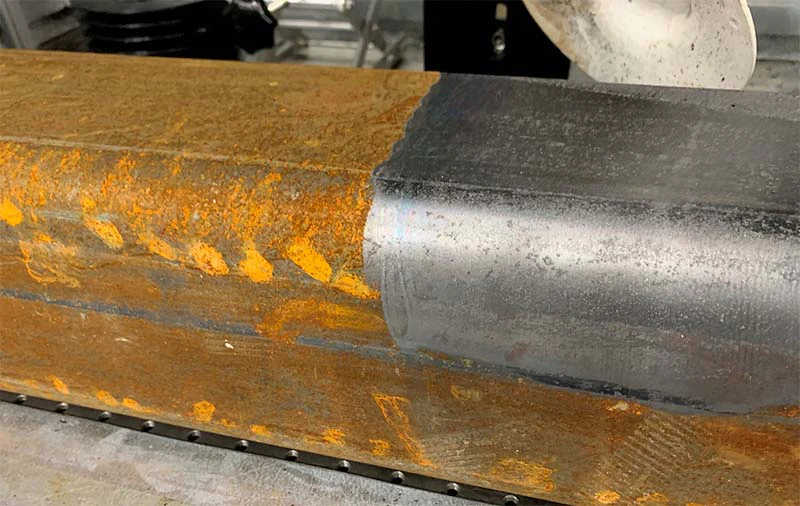
Maintaining the huge network of railway lines is a big job. Laser cleaning technology offers a smart way to keep rails and parts in good shape. Rails, wheels, and other important pieces face constant wear. They get rusty, paint peels off, and dirt like oil and grease builds up. One tough problem is “low adhesion” caused by fallen leaves. When crushed, leaves make the rails slippery, like Teflon. This makes it hard for trains to brake and speed up safely.
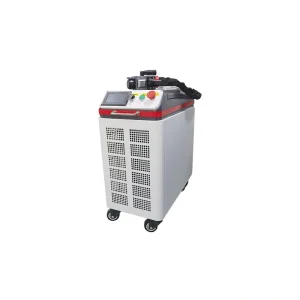
Laser cleaning systems like “LaserTrain” and “CleanTech” tackle these problems well. They use a focused laser beam aimed right at the rail surface. The laser’s strong energy quickly burns away dirt without hurting the metal underneath. This method doesn’t touch the rail, unlike older ways like sandblasting or using chemicals.
There are many benefits to laser cleaning. First, it’s very precise and gentle on the rails. This helps rails last longer and stay strong. Second, it’s better for the environment. It doesn’t use chemicals or abrasive materials and creates almost no waste. This fits with the push for greener transportation.
Laser cleaning also works fast. Modern machines can clean rails at speeds up to 60 mph (about 100 km/h). This means large sections of track can be cleaned quickly. It causes less delay for trains and cuts down on downtime. Clean rails improve grip between wheels and track. This makes braking and speeding up safer and more reliable. Fewer slip-slide events happen, which prevents damage to wheels and tracks. Most importantly, it keeps trains running safely and on time.
Laser Precision: Transforming Rail Component Manufacturing
Making rail parts, from complicated carriage pieces to strong undercarriage assemblies, requires great accuracy and toughness. Laser technology plays a key role in this work, especially through advanced cutting and welding methods.
Laser cutting machines often use powerful fiber or CO2 lasers. They cut metal parts with incredible precision. These metals include special steels and aluminum alloys. The technology allows for detailed designs and complex shapes to be made quickly. One big advantage is the small heat-affected zone (HAZ) during cutting. This means the metal around the cut stays strong and unchanged. Clean, smooth edges are another benefit, often removing the need for extra finishing. This precision improves how parts fit together and cuts down on wasted material. It also speeds up production.
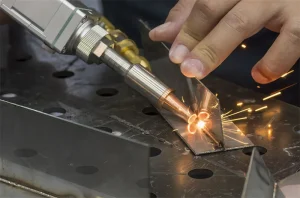
Laser welding works alongside cutting to join parts firmly. It is used for important rail pieces like bogies, axles, and undercarriage frames. Laser welding goes deep and heats only a small area. This creates strong welds that resist wear and don’t warp the parts like traditional welding can. The laser’s control helps keep the quality consistent. This is important because these parts face heavy stress during use.
A big step forward is mobile diode-laser welding systems. These portable machines change how repairs are done. Instead of moving broken parts to a shop, repairs happen right on the track. This saves time and cuts down on complicated logistics and costs. On-site laser welding or cladding can make rails and parts last much longer. It’s a smart, cost-effective choice compared to replacing parts. Repairs are often done faster than old methods. This helps get tracks back in service quickly.
Illuminating Traceability: Laser Marking for Rail Part Identification
In the rail industry, safety and reliability are absolutely critical. It’s essential to track every part throughout its entire life. Laser marking offers a strong and permanent way to identify rail components, from tiny fittings to large structural pieces.
Manufacturers use different types of lasers, especially fiber lasers, which work very well on metals. These lasers permanently etch or engrave important information right onto the parts. The marks often include serial numbers, manufacturer IDs, production dates, QR codes, and safety warnings. These laser marks are very tough. They can handle harsh conditions like extreme heat, rubbing from ballast, grease, and high-pressure cleaning. Different marking methods are used depending on the material and how long the mark needs to last. Some methods change the surface color without removing material, while others etch or engrave deeper.
One big advantage is better inventory management. Rail companies and maintenance teams can track parts from when they are made, through installation and inspections, all the way to retirement. This tracking helps plan maintenance and manage assets well.
Laser marking also helps stop fake parts from entering the system. Making sure every part is real is key for safety and smooth operations. Unique laser marks make it much harder for bad or unapproved parts to slip in. If a part fails or a recall is needed, laser marking helps quickly find the exact batch or item. This speeds up recalls and reduces problems and risks. Overall, laser marking improves quality control across the rail industry.
The Laser-Lit Path Forward: Conclusion and Future Outlook
Laser technology is clearly changing the rail industry in big ways. It helps make railways safer, greener, and more cost-effective. Using laser cleaning reduces the need for harmful chemicals and cuts down on waste. Laser cutting and repair create better parts that last longer. This saves resources and means parts don’t have to be replaced as often. Safety improves too. Cleaned rails provide better grip for trains. Laser inspections find problems early. Permanent laser marks ensure parts are genuine and reliable.
Laser tools also save money. Faster manufacturing and repairs mean less downtime. Less material is wasted, and parts last longer. All of this lowers operating costs.
The use of lasers in railways is still growing fast. In the future, we’ll see even more laser tools that are smaller, stronger, and easier to use on-site. Combining lasers with artificial intelligence (AI) will boost efficiency. For example, AI can predict when parts need fixing based on data from laser inspections. It can also help make laser manufacturing smarter and more flexible.