
If you’re still relying on sandblasting, chemical solvents, or mechanical grinding for surface preparation, you may face issues such as substrate damage, waste disposal, and longer cleaning processes.
A pulse laser cleaning machine offers a precise alternative, using focused laser energy to remove rust, paint, and contaminants while helping protect the base material.
This 2026 guide compares five leading pulse laser cleaning machines based on portability, cleaning performance, applications, and suitability for different industrial needs, helping buyers select the right solution for their requirements.
Our Top 5 Picks for 2026:
- STYLECNC LCP Series: Best for Beginners & Small Workshops
- Riselaser RL-CGY Series: Best for Portable Industrial Cleaning & Mobile Services
- Fortune Laser FLC Series: Best Value Direct Manufacturer Solution
- Laser Photonics CleanTech IC Series: Best for US-Based Industrial MRO
- Adapt Laser CL Series: Best for High-End Automation & Precision Applications
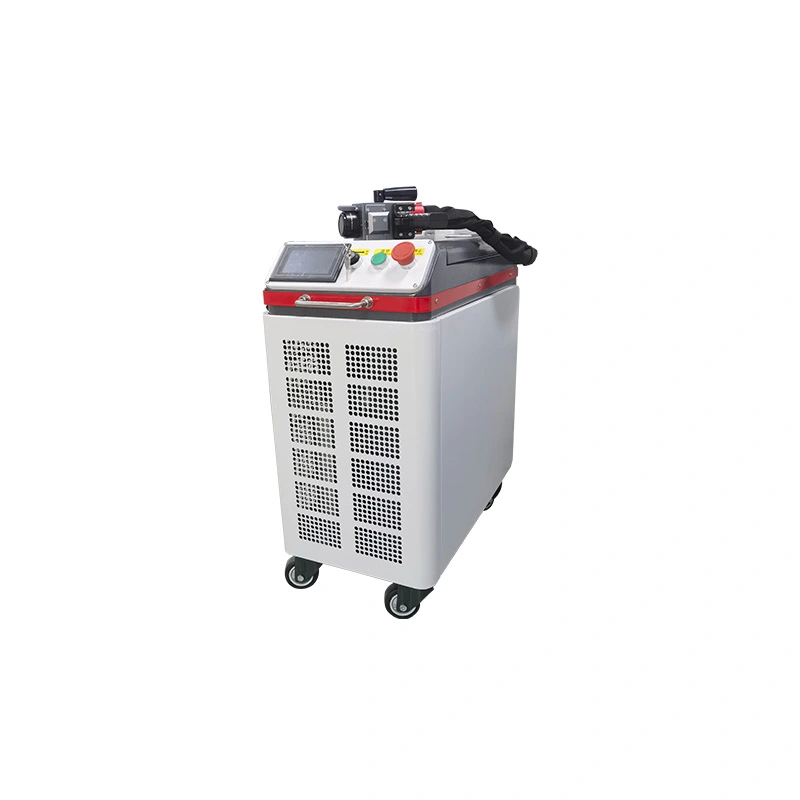
2026’s Top Pulse Laser Cleaners: Application Comparison
| Model | Configuration Options | Cooling | Portability | Key Differentiator | Ideal Applications |
|---|---|---|---|---|---|
| STYLECNC LCP Series | Multiple pulse power options | Air cooled | High (Handheld Trolley) | Easy operation for small businesses | Fine cleaning, mold cleaning, workshops, automotive parts |
| Riselaser RL-CGY Series | Multiple pulse configurations available | Air cooled | Very High (Portable Design) | Portable design with flexible cleaning solutions | Mobile cleaning services, mold repair, automotive restoration, industrial maintenance |
| Fortune Laser FLC Series | Customizable pulse laser configurations | Air cooled | High | Manufacturer direct supply with flexible solutions | Rust removal, paint stripping, metal surface preparation, industrial cleaning |
| Laser Photonics CleanTech IC Series | Industrial pulse laser systems | Air cooled | Medium | US industrial support and field service focus | Aerospace, MRO, surface preparation, industrial maintenance |
| Adapt Laser CL Series | Customized laser cleaning systems | Integrated | Medium | Automation integration and precision applications | Automated production lines, high-value molds, specialized cleaning |
In-Depth Reviews: 5 Leading Pulse Laser Cleaning Machines in 2026
1. STYLECNC LCP Series: A Practical Choice for Small Workshops
The STYLECNC LCP Series is designed for small workshops, repair businesses, and users who need a compact laser cleaning solution for precision applications. Its simple operation and air-cooled design make it suitable for businesses starting with laser cleaning technology.
- Key Features:
- JPT Laser Source: Utilizes a well-regarded JPT fiber laser source known for stability and a long operational life.
- Air-Cooled System: Eliminates the need for a separate water chiller, enhancing portability and reducing maintenance complexity.
- Handheld Operation: A lightweight, flexible handheld gun allows for easy cleaning of various shapes and angles.
- Best For: Mold cleaning, automotive parts, and small workshop applications where portability and precision are important.
2. Riselaser RL-CGY Series: Portable Pulse Laser Cleaning Solution
The Riselaser RL-CGY Series focuses on portable pulse laser cleaning for mobile service providers, maintenance teams, and industrial users who need flexible cleaning solutions in different locations.
- Key Features:
- Compact Design: The RL-CGY Series uses a portable design for easier transportation between job sites.
- Advanced Control: Features remote control capabilities with an optional phone APP control system for modern, flexible operation.
- Precise Scanning: An optional dual-axis scanner allows for precise pattern control, ensuring the substrate is not damaged during cleaning.
- Best For: On-site Maintenance, Repair, and Operations (MRO), architectural restoration, and mobile service providers who offer laser rust removal as a contracted service.
For applications requiring higher cleaning speed or larger working areas, higher-power pulse laser cleaning systems may be considered. The suitable configuration depends on the material, contamination level, and production requirements.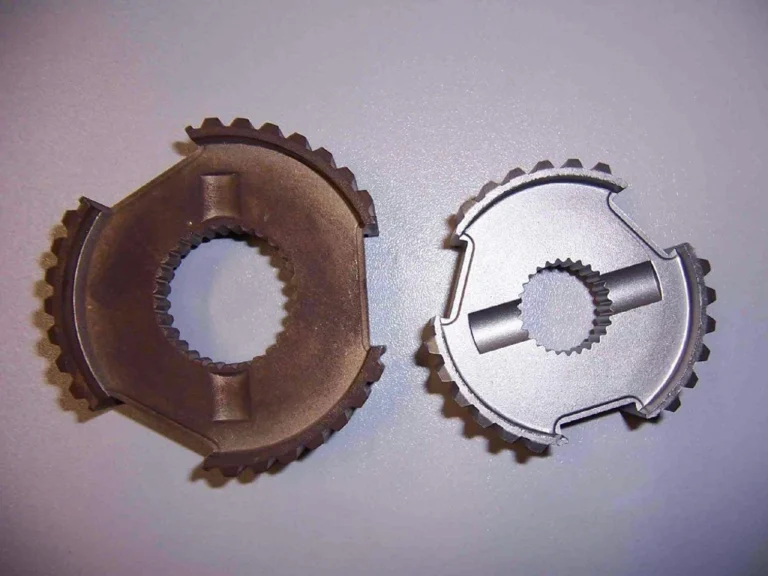
3. Fortune Laser FLC Series: Flexible Manufacturer Direct Solution
The Fortune Laser FLC Series provides pulse laser cleaning solutions for industrial users looking for flexible configurations and direct manufacturer support. The series is suitable for applications ranging from rust removal and paint stripping to metal surface preparation.- Key Features:
- Flexible Configurations: Different power options and cleaning setups are available based on application requirements.
- Manufacturer Support: Direct technical support and customization options are available for international buyers.
- Industrial Applications: Designed for metal surface cleaning, maintenance work, and production environments.
- Best For: Industrial maintenance, metal fabrication, automotive applications, and businesses looking for direct manufacturer cooperation.
4. Laser Photonics CleanTech IC Series: Industrial MRO Solution
Laser Photonics CleanTech systems are designed for industrial customers that require mobile laser cleaning equipment for maintenance, aerospace, and other demanding applications.
- Key Features:
- Ruggedized Build: Housed in a robust trolley, it is built to withstand the rigors of a factory floor or field maintenance site.
- Dual-Axis Scanner: Provides precise software control over the cleaning pattern (e.g., lines, circles) for optimal efficiency on different surfaces.
- Mobile Connectivity: Allows operators to adjust lasing parameters remotely, a significant efficiency gain for in-field work.
- Best For: Surface conditioning on aircraft components, military hardware MRO, and meeting stringent industry specifications where process consistency is non-negotiable.
5. Adapt Laser CL150: Adapt Laser CL Series: Automation and Precision Applications
Adapt Laser focuses on customized laser cleaning solutions for applications requiring automation integration and precise process control.
- Key Features:
- High Peak Power: Designed for applications requiring high energy density with controlled heat input.
- Robotics Integration: Engineered for seamless integration into fully automated production lines.
- Custom Optics: Offers specialized optics to perfectly tailor the laser beam’s characteristics to a specific application.
- Best For: High-value injection mold cleaning, delicate restoration of historical artifacts, and automated medical device manufacturing lines.
How to Choose the Best Pulse Laser Cleaning Machine
Choosing the right pulse laser cleaning machine depends on your application, material, contamination type and working environment. The following factors can help you evaluate different solutions before making a purchase decision.
Step 1: Define Your Mission (Application & Material)
First, analyze your specific needs.
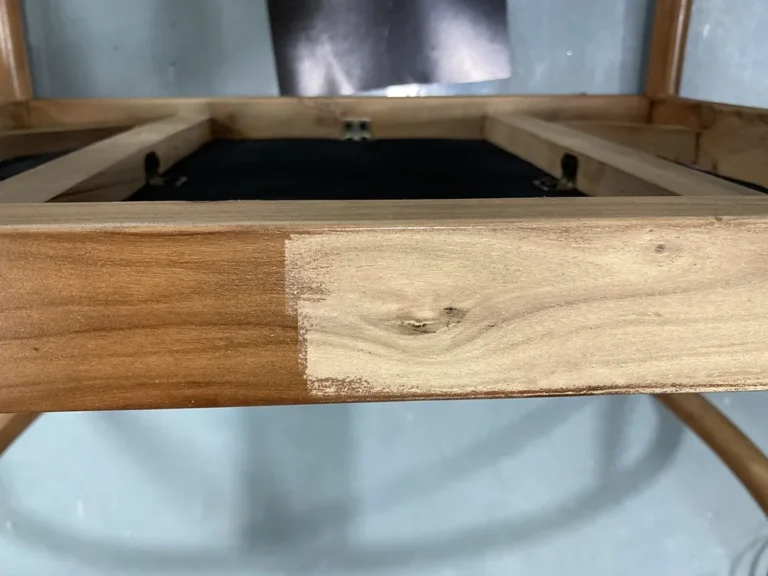
- What is the base material (substrate)? Steel, aluminum and composite materials may require different laser parameters depending on their surface characteristics.
- What are you removing (contaminant)? A thin layer of oil is easier to remove than thick, multi-layered industrial paint.
- What is the scale of your operation? The choice between a portable unit for spot repairs and a robotic system for a 24/7 production line is critical.
Step 2: Decode the Specs (Power, Pulse, and Performance)
Understand the key metrics.
- Average Power (Watts): This primarily affects cleaning speed. Higher watts generally mean a faster removal rate, measured in m²/h.
- Pulse Energy (mJ) & Peak Power (kW): Pulse Energy (mJ) & Peak Power (kW): These values influence the laser’s cleaning intensity and are important when working with sensitive surfaces or difficult contaminants.
Step 3: Match the Form Factor to Your Workflow
Consider the physical design.
- Portability: Portability: Do you need a backpack, suitcase, trolley, or fixed robotic system?
- Cooling System: Water-cooled systems are often used for higher-power continuous operation, while air-cooled systems provide easier mobility and simpler maintenance.
Step 4: Calculate the Total Cost of Ownership (TCO)
Look beyond the sticker price.
- Calculate ROI: Compare the one-time capital expense (CapEx) of the laser to your current annual operational expenses (OpEx) on consumables, waste disposal, and labor to project the payback period.
- Factor in Ancillary Costs: Budget for a mandatory fume extractor, certified laser safety glasses, and replacement protective lenses.
Step 5: Do Your Due Diligence
Verify the vendor and the machine’s performance.
- Vendor Support & Warranty: A responsive support team and a comprehensive warranty are critical for a high-value asset.
- The Golden Rule: Before purchasing, request a cleaning test using your own parts and contaminants whenever possible. This helps confirm whether the selected machine can achieve the required result.
Conclusion: Your Next Step to a Cleaner, More Efficient Future
Pulse laser cleaning provides a precise method for removing rust, paint, and surface contaminants while reducing the need for abrasive materials and chemical cleaning processes.
The best machine depends on your application requirements. A system used for aerospace components may require different specifications than equipment used for automotive restoration or general metal maintenance.
Before making a purchase decision, compare machines based on your materials, contamination type, working environment and required cleaning speed. Testing your own parts is the most reliable way to confirm the right solution.
Frequently Asked Questions (FAQ)
Pulse lasers deliver high energy in short bursts for precise, low-heat cleaning, making them ideal for sensitive or high-value materials. CW lasers deliver a constant beam, which is faster for removing thick rust on robust surfaces but can overheat and damage delicate substrates.
Yes, when proper safety protocols are followed. It eliminates exposure to the chemical and abrasive hazards of traditional methods. The primary safety requirements are certified laser safety glasses for all personnel in the area and adequate fume extraction to capture ablated particles.
Prices vary depending on laser power, configuration, laser source, cooling system and automation requirements. Entry-level systems and industrial solutions can differ significantly in cost.
Not always. Higher-power systems can improve cleaning speed for heavy rust, thick coatings and larger surfaces. However, lower and mid-power machines may be more suitable for precision cleaning, mobile service and applications where surface protection is important.