
Is your workshop constantly battling rust, paint, or industrial grime? You’re likely spending a small fortune on sand, chemicals, labor, and waste disposal just to keep things clean. These ongoing costs feel like a necessary evil, but a modern technology is changing the game: laser cleaning.
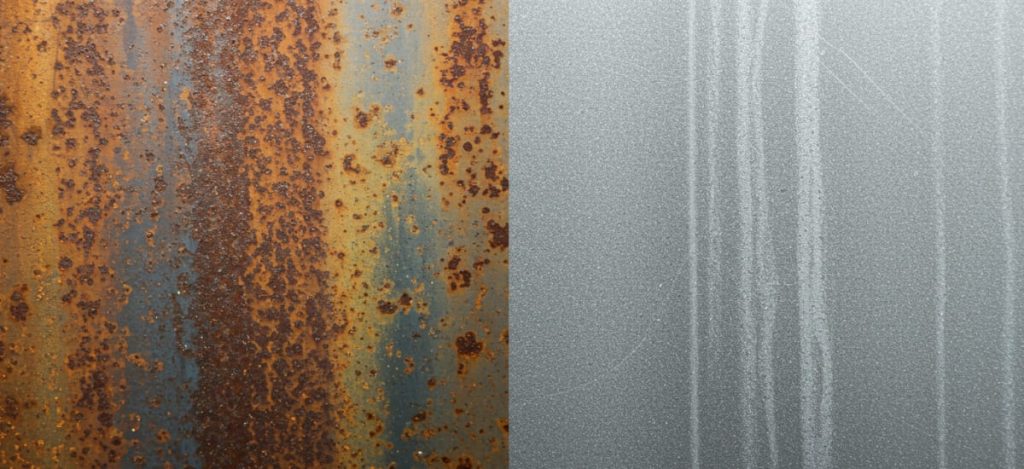
Instead of messy, wasteful methods, laser cleaning uses concentrated beams of light to vaporize contaminants with incredible precision, leaving a pristine surface behind. The catch? The upfront cost can seem high. This leads to the most important question any business owner can ask: Is a laser cleaning machine worth the investment?
The answer isn’t a simple yes or no—it’s in the numbers. This guide will walk you through a step-by-step process to calculate the Return on Investment (ROI) for a laser cleaning machine, proving how it can save you money, boost your productivity, and pay for itself faster than you think.
What is ROI of a Laser Cleaning Machine and Why Does It Matter?
Before we start crunching numbers, let’s quickly break down what ROI means.
Return on Investment (ROI) is a simple grade for your money. It tells you how profitable a purchase is compared to its cost. A high ROI means you’re getting a lot of value back for every dollar you put in.
The formula looks like this:
ROI(%)=(Net Profit−Cost of Investment)/Cost of Investment×100
Think of it like buying a new, energy-efficient refrigerator. The Cost of Investment is the price of the fridge. The Net Profit is the money you save on your electricity bill each year. The ROI calculation tells you the percentage return you’re getting on that purchase.
We’ll also look at the Payback Period, which answers the question, “How long until this machine pays for itself?” It’s the perfect metric for understanding how quickly you’ll break even.
How to Evaluate ROI of a Laser Cleaning Machine
Evaluating the ROI (Return on Investment) of a laser cleaning machine is essential before making a purchase. ROI measures how much profit you gain relative to the investment cost. The formula is simple:
ROI (%) = (Net Profit − Cost of Investment) / Cost of Investment × 100
For example, if your total investment in a laser cleaning system is $50,000 and your annual net profit is $70,000, the calculation would be:
ROI (%) = ($70,000 − $50,000) / $50,000 × 100 = 40%
You can also calculate the Payback Period to determine how long it will take for the machine to pay for itself:
Payback Period = Total Investment / Annual Net Profit = $50,000 / $70,000 ≈ 0.71 years (≈8.5 months)
By evaluating ROI and Payback Period, businesses can quickly understand the financial benefits of switching to laser cleaning over traditional methods.
Tallying the True Upfront Cost
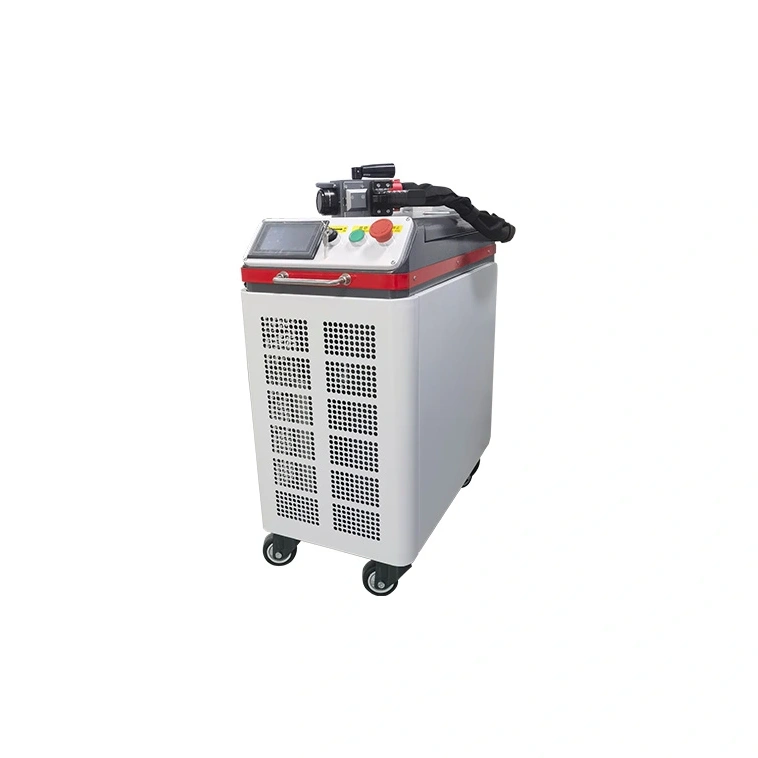
To get an honest ROI, we need to calculate the total cost to get your laser cleaner up and running. It’s more than just the price tag.
A. The Laser Cleaning Machine’s Purchase Price
This is your biggest initial cost. Prices vary based on power and laser type, which you should match to your specific jobs. (For a deeper dive, you might read about Pulsed vs. Continuous Wave laser systems).
- Pulsed Lasers (for precise work): $3,000 – $33,000
- Continuous Wave (CW) Lasers (for large surfaces): $2,500 – $9,000
B. The “Hidden” Setup Costs
These are the one-time fees to get from delivery to operation:
- Installation & Training: Costs to set up the machine and train your team to use it safely and efficiently.
- Safety & Facility Upgrades: This is crucial. You’ll need a fume extraction system to handle vaporized contaminants and certified laser safety glasses for your operators.
To find your Total Cost of Investment, simply add these numbers up. A typical all-in investment for a powerful, mid-range system is often in the $40,000 to $50,000 range. This is the number we’ll use for the “Cost of Investment” in our formula.
Uncovering Your Annual Profit
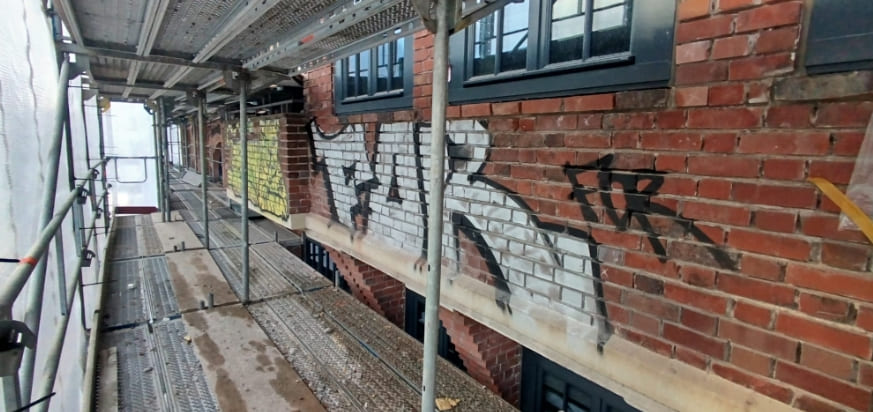
This is where the magic happens. Your “Net Profit” comes from two places: the money you stop spending (cost savings) and the new money you start earning (revenue gains).
A. Annual Cost Savings (What You’ll Stop Paying For)
This is the most immediate financial win. Based on industry data, you can expect huge savings.
- No More Consumables: Laser cleaning uses zero consumables. You can completely eliminate your budget for sand, abrasive beads, chemicals, and solvents. Typical Savings: $10,000 – $30,000 per year.
- Less Labor: Laser systems are fast and often automated. A job that took two workers 8 hours can often be done by one worker in 4 hours. You’re not just saving on wages; you’re freeing up your skilled workers for more important tasks.
- Zero Waste Disposal Fees: No sand or chemicals means no hazardous waste. The thousands of dollars spent annually on specialized waste removal disappear.
- Minimal Maintenance & Downtime: Lasers have few moving parts. Compared to constantly repairing sandblasters, annual laser maintenance is minimal, around $1,000 – $3,000. More uptime means more production.
- No More Damaged Parts: Abrasive blasting can damage or warp parts, leading to costly scrap. Laser cleaning is non-contact and preserves the surface, reducing rework to nearly zero. (This is especially valuable for sensitive applications like mold cleaning).
B. Annual Revenue Gains (What You’ll Start Earning)
A laser cleaner doesn’t just save money; it makes money.
- Higher Throughput: With processing times 20-50% faster than old methods, you can finish more jobs per day. This increases your production capacity without needing more space or staff.
- New Business Opportunities: The precision of a laser allows you to offer new, high-value services. For example, by investing in one of the best portable pulse laser cleaners, many businesses with idle machine time start a mobile side business, charging $80 to $250 per hour for on-site cleaning services.
The Hourly Cost Showdown: Laser vs. Sandblasting
To see the difference in real-time, let’s compare the operational cost per hour.
| Cost Component | Laser Cleaning Example | Traditional (Sandblasting) |
| Labor | ~$25.00/hr (1 operator) | ~$50.00/hr (2 operators) |
| Consumables | $0 | ~$15.00/hr |
| Waste Disposal | $0 | ~$5.00/hr |
| Maintenance & Energy | ~$2.22/hr | ~$3.50/hr |
| Total Cost to Run | ~$27.22/hour | ~$73.50/hour |
The results are clear. For every hour of operation, the laser cleaner is over 60% cheaper to run. That saving goes directly to your profit margin on every single job.
Putting It All Together: A Real-World ROI Calculation
Let’s use a realistic example to calculate the final ROI and Payback Period.
- Scenario: An automotive shop invests $50,000 in a complete laser cleaning system.
- Analysis: After reviewing their books, they determine the machine will save and earn them a Total Annual Net Profit of $70,000.
Payback Period Calculation
Payback Period=Total Investment/Annual Net Profit=$50,000/$70,000=0.71 years
0.71 years × 12 months = 8.5 months
In less than one business year, the machine completely paid for itself.
First-Year ROI Calculation
ROI(%)=($70,000−$50,000)/$50,000×100=40%
This means that in the first year, the shop not only earned back its entire investment but also made an additional 40% profit on top.
Beyond the Numbers: The Strategic Value & Risks
A smart decision also considers the “hidden” benefits and potential risks.
The Hidden ROI
- A Safer Workplace: Eliminating chemicals and airborne dust creates a safer, healthier environment for your employees. (Learn more in our Laser Cleaning Safety Guide).
- A Greener Business: With no chemical waste, you can market your business as environmentally friendly, attracting new customers and meeting modern standards.
- Perfect, Repeatable Quality: Lasers deliver the exact same result every time, improving your product quality and consistency.
What to Watch Out For
- The Upfront Cost: The initial investment is the biggest hurdle, which is why financial planning is key.
- It’s Not for Everything: Lasers are line-of-sight tools and work best on specific materials like metal. They aren’t a universal solution for every cleaning task.
Making the Investment Happen & Maximizing Your Return
Ready to make the leap? Here’s how to make it affordable and get the most out of it.
- Leasing & Financing: You don’t have to buy the machine outright. Leasing options allow you to get started for a manageable monthly payment ($500 – $5,000/month), turning a big purchase into a simple operating expense.
- Tax Credits: Many governments offer tax incentives of up to 30% for businesses that invest in green or high-tech equipment. Check with your accountant to see what you qualify for.
- Run It Constantly: The best way to maximize ROI is to maximize usage. Running the machine on a second or third shift can cut the payback period in half without any additional investment.
Conclusion: Is a Laser Cleaner Worth It?
For most industrial applications, the answer is a resounding yes.
A laser cleaning machine is more than just equipment; it’s a strategic shift away from the endless cycle of paying for consumables, labor, and waste. While the initial investment is significant, a clear-eyed ROI analysis shows that it is one of the most profitable upgrades a modern workshop can make. By eliminating operational costs and boosting productivity, a laser cleaner can pay for itself in under 18 months and become a profit-generating engine for years to come.