
How much does a laser cleaning machine cost? In 2026, a handheld laser cleaning machine can range from approximately $2,200 for an entry-level CW model to $70,000 for a 2000W high-power pulsed system. Fully automated robotic laser cleaning systems can exceed $200,000. The final price depends mainly on laser technology, power, laser source, cooling system, machine configuration, support package, and the level of automation. Technology is the first major price factor, while power becomes increasingly important when comparing machines within the same CW or pulsed category.
2026 Laser Cleaning Machine Cost (Quick Answer)
Most buyers should compare laser cleaning machine prices by laser technology first and then by power, configuration, and support package. Typical 2026 price ranges include:
Handheld CW laser cleaners (1500W–6000W): approximately $2,200–$25,000
Best for heavy rust, thick paint, and large-area cleaning on durable steel surfaces where higher heat input is acceptable.
Handheld pulsed laser cleaners (50W–2000W): approximately $3,500–$70,000
Best for precision cleaning, controlled coating removal, delicate surfaces, and applications requiring lower heat input.
Automated or robotic laser cleaning systems: approximately $70,000–$200,000+
Designed for repeatable, high-volume cleaning with fixtures, safety enclosures, robots, controls, and system integration.
Bottom line: the most expensive mistake is buying a cheap CW “sledgehammer” for a job that actually needs a Pulsed “scalpel”.
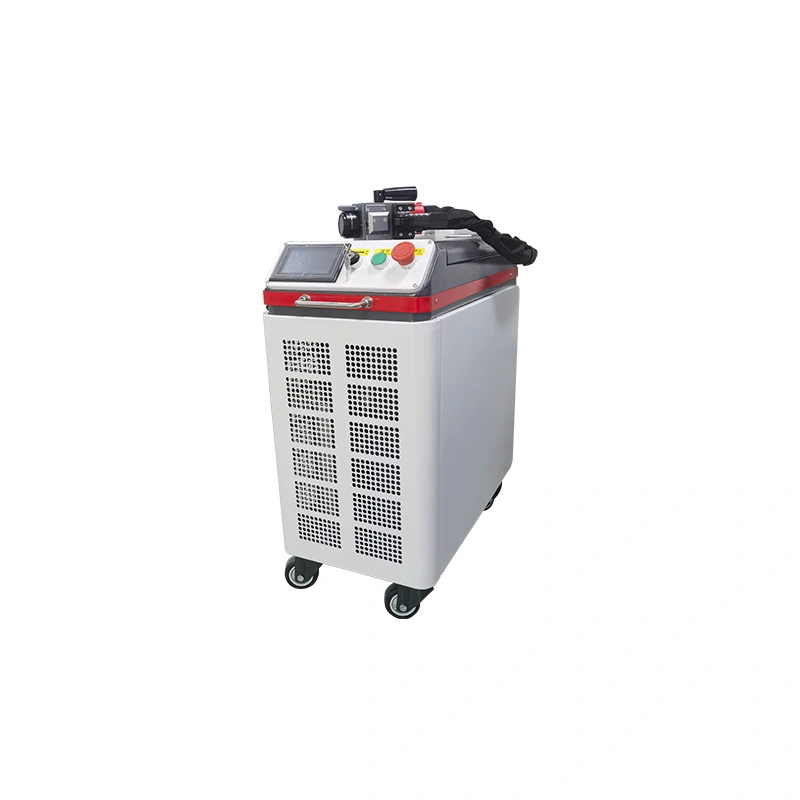
The most important step is understanding the technology inside the machine. CW and pulsed systems are not interchangeable: CW cleaning relies mainly on continuous heat, while pulsed cleaning uses short, high-peak-energy bursts to lift contaminants with minimal heat transfer.
That’s why laser cleaning machine prices can appear “backwards”: a 1500W handheld CW cleaner may start at approximately $2,200, while a lower-power 300W pulsed laser cleaner generally costs around $5,900–$10,000. The difference comes from the laser technology, pulse control, component cost, and the level of heat control required—not wattage alone. This guide explains the gap—and how to choose the right system for your budget and application.
Cost vs Price: Don’t Mix These Up
When people search “laser cleaning cost,” they may mean three different things. To avoid confusion, here’s the quick breakdown:
- Machine price (purchase cost): what you pay to buy the laser cleaner (this guide focuses on this).
- Operating cost (cost per hour): your electricity + occasional protective lens + fume filter maintenance (labor is usually the biggest variable).
- Service cost: what a contractor charges to clean parts for you (often priced per hour, per job, or per area).
If you’re comparing machines, focus on laser type (CW vs pulsed) and your required finish quality. If you’re budgeting for jobs, jump to the Operating Cost section below.
Continuous Wave (CW) vs. Pulsed Laser Cleaning Machine
Before comparing models, decide which technology matches your job. CW is built for fast, heat-based bulk removal, while pulsed cleaning is designed for controlled removal with minimal heat impact. Whether you call it a laser cleaning machine or a laser sander, the choice of CW vs pulsed technology determines the cleaning precision, heat impact, and overall cost.
Continuous Wave (CW) Laser Cleaning Machine (The “Sledgehammer”)
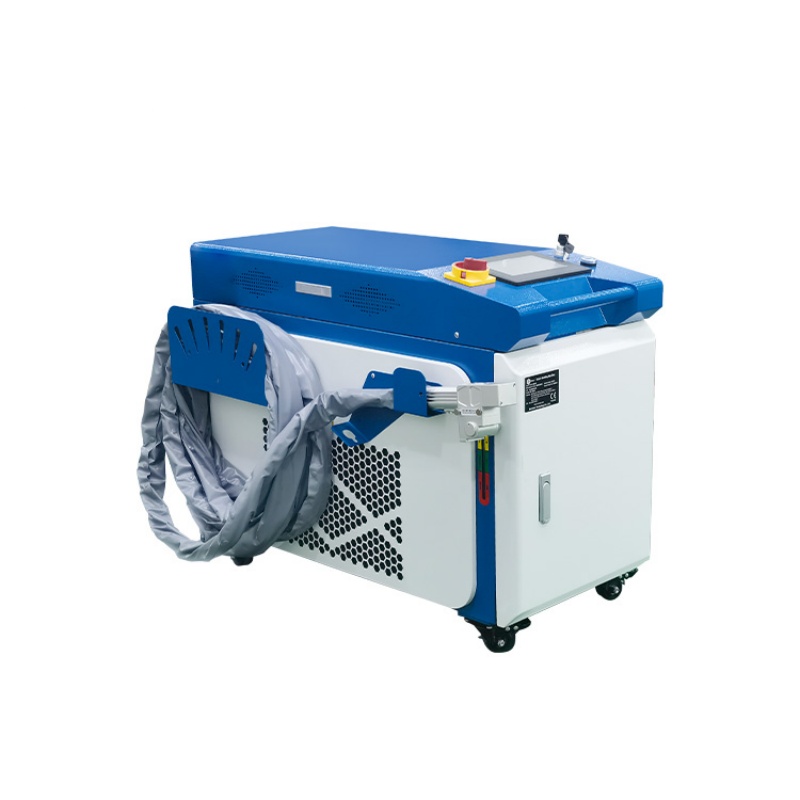
A Continuous Wave (CW) laser cleaner emits a steady, uninterrupted beam of light.
- How it Works: It cleans using high, constant heat. The beam rapidly heats contaminants like rust or paint, causing them to burn and evaporate. This process transfers significant heat to the base material.
- Best For: Bulk removal of heavy rust, thick paint, and corrosion from durable, non-sensitive metal surfaces like structural steel or heavy equipment.
- Cost: This technology is far less expensive for a given power level, making it the “budget-friendly” option for heavy-duty, non-precision tasks.
Pulsed Laser Cleaning Machine (The “Scalpel”)
A Pulsed laser cleaner emits its energy in short, high-energy bursts (pulses).
- How it Works: It cleans using a mechanical-ablative process. Each pulse has extremely high peak power, creating a micro-explosion that blasts contaminants off the surface with a shockwave. This process transfers very little heat, protecting the substrate.
- Best For: Precision cleaning of delicate materials, including composites and aerospace alloys, as well as microelectronics, historic restoration, and applications where the underlying material is sensitive to excessive heat or surface damage.
- Cost: Pulsed systems are generally more expensive because they require more complex pulsed laser sources and control systems. Some configurations use MOPA technology to provide a wider range of adjustable pulse parameters.
2026 Price by Technology & Power
The only logical way to compare pricing is to separate the market by technology first, then by power.
Price Guide: High-Power Continuous Wave (CW) Systems
- Target Buyer: Fabrication shops, heavy industrial maintenance, shipyards, and construction.
- Application: Bulk rust stripping and thick paint removal on non-sensitive surfaces.
| Power (CW) | 2026 Estimated Price Range |
|---|---|
| 1500W | $2,200–$4,000 |
| 2000W | $3,500–$6,000 |
| 3000W | $6,000–$12,000 |
| 6000W | $14,000–$25,000 |
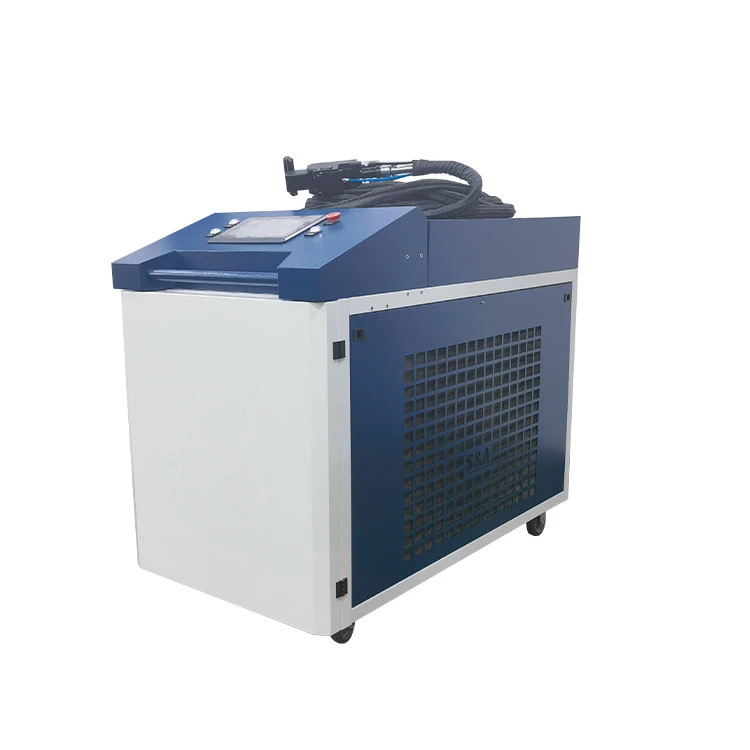
Price Guide: Pulsed Laser Systems (by Power)
- Target Buyer: Small businesses, restoration specialists, mold cleaning, aerospace, and R&D labs.
- Application: Delicate surface cleaning, precise paint removal, and historical artifact restoration.
| Power (Pulsed) | 2026 Estimated Price Range |
|---|---|
| 50W–100W | $3,500–$5,000 |
| 200W | $5,300–$7,000 |
| 300W | $5,900–$10,000 |
| 500W | $9,500–$18,000 |
| 1000W | $20,000–$35,000 |
| 1500W | $35,000–$50,000 |
| 2000W | $45,000–$70,000 |
Pulsed laser cleaning machine prices increase significantly above 500W because high-power pulsed laser sources, cooling systems, scanning heads, controls, and supporting components are more complex and expensive. A 200W or 300W pulsed cleaner is commonly used for precision cleaning and mobile service work, while 500W–2000W systems are selected when buyers need higher productivity without switching to the higher heat input of CW cleaning.
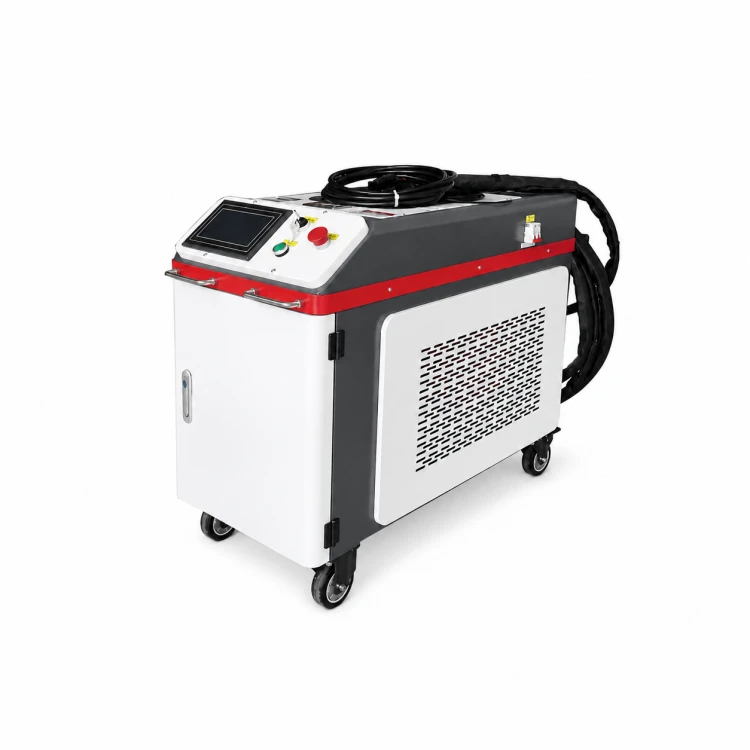
Cheapest Laser Cleaning Machine: What You Get at $2,200–$4,000
The lowest-priced laser cleaning machines on the market typically fall in the $2,200–$4,000 range. In most cases, these are Continuous Wave (CW) systems.
What they’re good for
- Heavy rust removal and thick paint stripping on tough steel
- Industrial maintenance jobs where surface finish is not critical
- Buyers who mainly need a laser welder and only want basic cleaning as a secondary function
What they’re NOT for (common mistakes)
- Delicate substrates, thin parts, or heat-sensitive materials
- Precision paint removal where you must protect the base material
- Jobs requiring consistent cosmetic finish across many parts
Quick buying checklist (to avoid wasting money)
Before you buy a “cheap laser cleaner,” confirm:
- Your base material (steel/aluminum/stainless/composite)
- What you’re removing (rust/paint/oil/oxide/coating)
- Whether heat marks or discoloration are acceptable (yes/no)
- Required cleaning quality (functional cleaning vs cosmetic finish)
- Daily operating hours and whether you need local service/support
If your work requires low heat input or surface protection, a cheap CW unit can damage parts. In that case, a pulsed cleaner is the safer choice—even if the sticker price is higher.
The “3-in-1” (Welder/Cleaner/Cutter) Trap
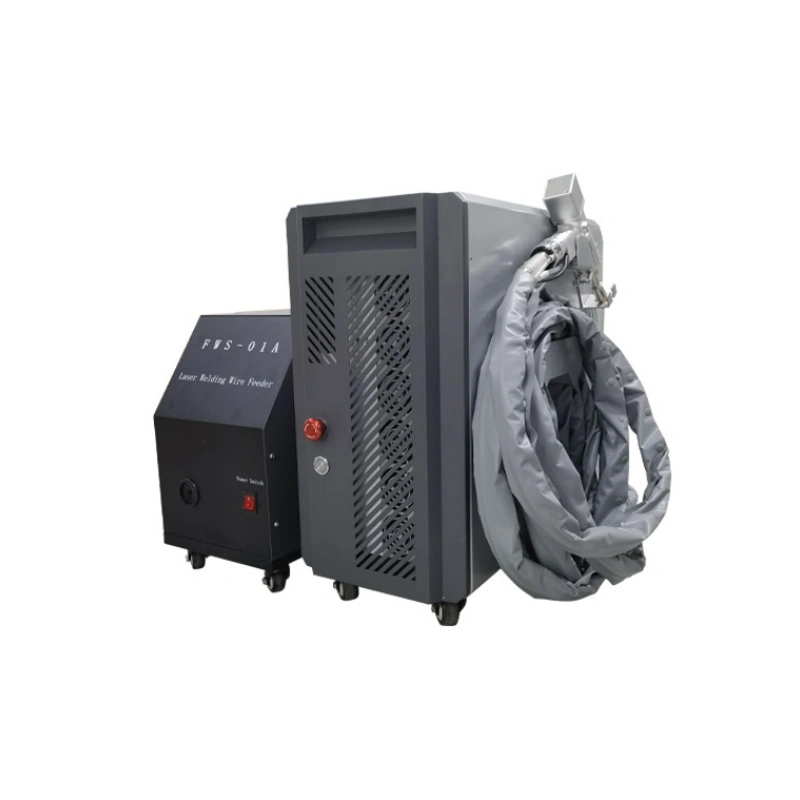
You will see “3-in-1” or “4-in-1” machines advertised at very low prices, often $2,200–$4,000 for 1500W–2000W models. Here’s the reality: these systems are handheld laser welders by design. The “cleaning” function is typically a CW add-on that uses the same welding laser source and hardware.
In practice, many buyers use them almost entirely for welding. The cleaning mode is often underused because:
- It’s optimized for welding performance, not cleaning efficiency or finish quality
- CW cleaning relies on heat and can leave heat marks/discoloration, making results less controllable for surface-sensitive jobs
- For serious cleaning work (paint stripping with substrate protection, restoration, aerospace, molds), buyers usually need a pulsed cleaner anyway
If your main job is welding, and cleaning is only an occasional bonus for non-sensitive steel, it can be excellent value. But if your goal is primarily cleaning—especially precision cleaning—treat 3-in-1 machines as welders, not true substitutes for a dedicated laser cleaning system.
Handheld vs. Automated: How Form Factor Affects Price
Handheld & Portable Laser Cleaners
- Price: Handheld laser cleaning machines generally range from approximately $2,200 for an entry-level CW model to $70,000 for a 2000W high-power pulsed system. Machine formats include trolley, suitcase, backpack, and industrial cabinet designs, depending on the laser power and cooling requirements.
- Pros: Flexible operation and lower upfront cost than a fully automated cleaning cell.
- Cons: Labor cost and cleaning consistency depend heavily on operator skill and process control.
Automated & Robotic Laser Systems
- Price: $70,000 to $200,000+. This involves integrating a laser head into an enclosed, automated cell, often with a 6-axis robot or a “cobot” (collaborative robot).
- Pros: More consistent and repeatable results, high-volume throughput, low long-term labor costs, and the highest level of operator safety (as systems are fully enclosed).
- Cons: Very high initial capital cost and less flexible than handheld systems; often designed for a single part or process.
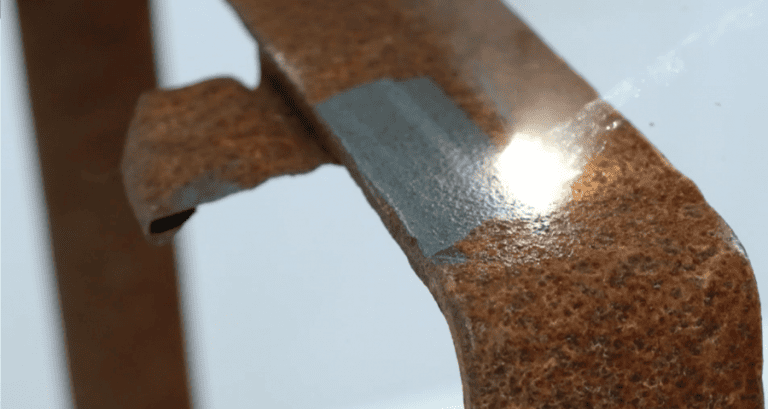
Beyond the Sticker Price: Total Cost of Ownership (TCO)
A procurement manager or engineer must budget for more than just the machine. The Total Cost of Ownership (TCO) includes mandatory safety equipment and true operating cost per hour.
Mandatory “Hidden” Upfront Costs
1. Fume Extraction: This is not optional. Laser cleaning works by vaporizing (ablating) material, which creates hazardous fumes and particulates. You must use a dedicated fume extraction system.
- Budget: $1,000 to $4,000 for a system appropriate for laser cleaning.
2. Personal Protective Equipment (PPE): All laser systems require specialized safety glasses to protect the operator’s eyes from the specific wavelength of the laser.
- Budget: $20 to $100 per operator for certified, wavelength-specific safety glasses (e.g., Optical Density 7+ for a 1064nm laser).
Your true “all-in” cost for a $2,500 budget machine is closer to $4,000 – $4,500 after adding safety essentials.
Laser Cleaning Cost Per Hour (Operating Cost)
One of the biggest advantages of laser cleaning is that the hourly operating cost is typically low compared with sandblasting or chemical stripping. Here’s what usually drives the cost per hour:
- Electricity: Even a high-power system often draws around 10–15 kWh in real use. At $0.10/kWh, that’s roughly $1.00–$1.50 per hour.
- Consumables: There’s no blasting media or solvents. The most common recurring item is the protective lens at the cleaning head, often around $3–$5 per piece (pricing varies by size/spec and supplier).
- Filtration & maintenance: Fume extractor filters and routine cleaning add small ongoing costs, depending on what you remove (paint, rust, oil, coatings).
- The biggest variable is labor: Your true cost per part is often dominated by operator time and consistency, especially for handheld cleaning.
Practical takeaway: If you want to reduce job cost, focus less on electricity and more on throughput (cleaning speed) and operator time—or consider automation for repeatable, high-volume work.
How to Choose the Right Laser for Your Budget
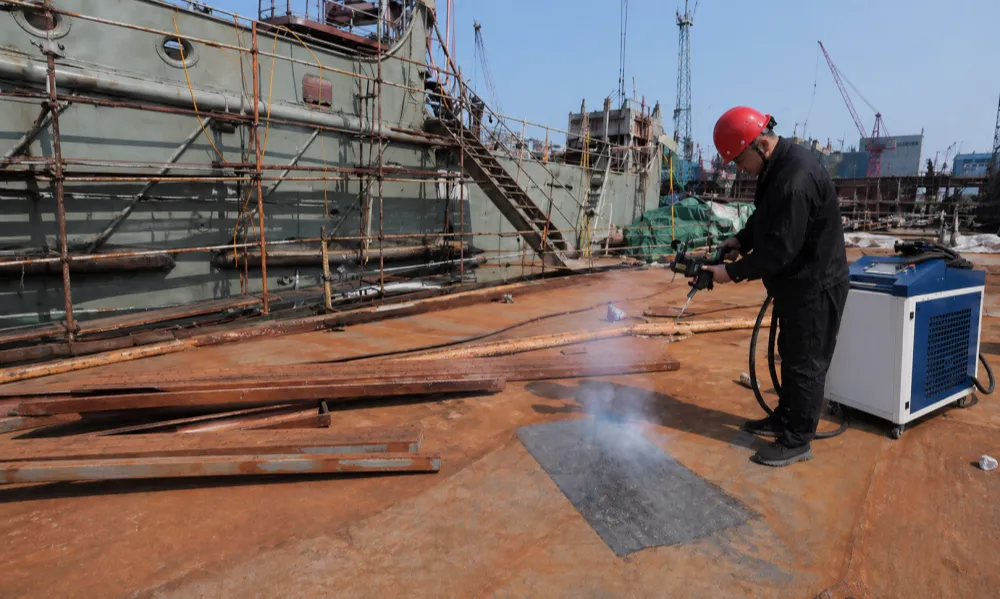
A successful purchase is not about finding the lowest price; it is about matching the right technology to your application. Follow this 3-step decision process.
- Step 1: Choose the Technology Based on the Application
- Ask: Is the substrate delicate or heat-sensitive? Do you need precise coating removal, limited heat input, or better control over the finished surface?
- If YES: A pulsed laser cleaner is generally the more appropriate choice. Typical prices start at approximately $3,500 for low-power systems. A 200W pulsed cleaner generally costs $5,300–$7,000, while a 300W model costs approximately $5,900–$10,000. Prices increase to $9,500–$18,000 for 500W, $20,000–$35,000 for 1000W, $35,000–$50,000 for 1500W, and $45,000–$70,000 for 2000W systems.
- If NO: For heavy rust, thick paint, and bulk cleaning on durable steel, a CW laser cleaner may offer higher cleaning speed at a lower initial cost. CW systems generally range from approximately $2,200 for an entry-level 1500W unit to $14,000–$25,000 for a 6000W industrial system.
- Step 2: Calculate Your Real “All-in” Budget:
- Do not use the sticker price. Your true budget is:
- (Machine Cost) + (Fume Extractor Cost) + (PPE Cost per Operator) = True “All-in” Cost.
- Step 3: Evaluate the Supplier Risk Profile:
- Premium Brands (e.g., IPG, Adapt Laser): Highest cost ($30,000+). Lowest risk. These are domestically supported, certified machines built for mission-critical production where downtime is unacceptable.
- Domestic Assemblers/Distributors: Mid-cost. Low risk. This is a balanced, hybrid approach offering the cost benefits of globally sourced components with the peace of mind of local support, service, and warranties.
- Direct Import: Prices may start at approximately $2,200 for entry-level CW machines, but high-power pulsed systems can still cost $20,000–$70,000 depending on power and configuration. Direct purchasing may reduce distributor markup, but buyers should carefully compare warranty terms, technical support, spare-parts availability, certifications, shipping, import costs, and after-sales service.
Final Takeaway: The single biggest and most costly mistake is buying a cheap CW “sledgehammer” for a delicate job that requires a Pulsed “scalpel.” Match the technology to the task, and the investment will pay for itself in labor, consumable, and waste-disposal savings.
Laser Cleaning Service Cost (Per Hour vs. Per Square Foot)
If you don’t want to buy a machine, laser cleaning can also be outsourced as a service. Service pricing varies widely, but most quotes follow one of these models:
- Per hour (common for onsite work): Best when the scope is uncertain or setup time is significant.
- Per square foot / per square meter (common for flat surfaces): Best when the area is easy to measure and access is straightforward.
- Per job / per part (common for repeatable parts): Best when the part geometry and required finish are consistent.
What drives the service price
- Contamination type & thickness: heavy rust, thick paint, and multi-layer coatings take longer than light oxide or soot.
- Base material sensitivity: delicate alloys, thin parts, or heat-sensitive surfaces require slower, more controlled parameters.
- Required finish quality: “functional cleaning” is faster than cosmetic-grade restoration.
- Access & geometry: edges, grooves, and complex shapes reduce speed and increase labor time.
- Onsite vs. in-shop: travel, setup, and safety controls increase onsite cost.
- Safety & containment: fume extraction, filtration, and masking/protection can add time and equipment cost.
To get an accurate quote fast: share the base material, what needs to be removed, photos, total area/part count, and the required finish (functional vs cosmetic). That information determines cleaning speed—and the final price.
FAQs
The lowest-priced laser cleaning machines are generally entry-level CW systems, including some 3-in-1 welding and cleaning machines, which typically cost around $2,200–$4,000. These systems are mainly suitable for removing heavy rust or paint from durable metal surfaces. They are generally not recommended for delicate, thin, or heat-sensitive materials.
Pulsed laser cleaners require more complex laser sources and pulse-control systems than CW machines. Some models use MOPA technology to provide greater control over pulse width, frequency, and cleaning parameters. This helps reduce heat input and lowers the risk of substrate damage, but it also increases the cost of the system.
Laser cleaning usually has a higher initial equipment cost but does not require abrasive media or chemical solvents. Its ongoing costs mainly include electricity, protective lenses, fume-extraction filters, maintenance, and labor. Sandblasting equipment is generally less expensive to purchase, but abrasive media, cleanup, surface preparation, containment, and waste disposal can increase its operating cost. The more economical option depends on the application, cleaning speed, required finish, and equipment utilization.
Yes, a laser cleaning machine can support a profitable service business when there is sufficient local demand and regular equipment utilization. Profitability depends on the machine cost, job pricing, cleaning speed, labor requirements, travel expenses, maintenance, and the types of surfaces being cleaned. Before purchasing, estimate the number of billable jobs needed to recover the initial investment.
Yes, in most cases. Many buyers use the term laser sander when searching for a laser cleaning machine used to remove rust, paint, or coatings from surfaces. Both terms usually refer to the same type of equipment.
High-power pulsed laser cleaning machine prices vary significantly by power. A 500W model generally ranges from $9,500 to $18,000, while a 1000W system typically costs $20,000–$35,000. Prices increase to approximately $35,000–$50,000 for a 1500W system and $45,000–$70,000 for a 2000W pulsed laser cleaner. The final quote depends on the laser source, cooling system, scanning head, machine configuration, warranty, and supplier support.