
Laser cleaning is a non-contact process that removes rust, paint, oxides, and other contaminants with a focused laser beam. It is efficient, precise, and widely used for surface preparation in industrial and restoration work.
But laser cleaning also involves serious hazards. Most systems are Class 4 lasers and can cause permanent eye damage, skin burns, toxic fume exposure, and fire risks without proper controls. This is why laser cleaning safety depends on the correct equipment setup, ventilation, protective gear, operator training, and safe work procedures.
This guide covers the main laser cleaning safety risks and the key measures needed to reduce them.

Is Laser Cleaning Dangerous?
Yes, laser cleaning can be dangerous if it is used without the proper safety measures. Because these systems are typically Class 4 lasers, they can create serious hazards, including eye injuries, skin burns, harmful fumes, and fire risks. The danger comes not only from the laser beam itself, but also from the materials and byproducts produced during the cleaning process. This is why laser cleaning safety depends on a combination of engineering controls, operator training, ventilation, and the correct protective equipment.
What Are the Main Laser Cleaning Safety Risks?
To operate a laser cleaner safely, you need to understand the main risks involved. These hazards come not only from the laser beam itself but also from the fumes, particles, heat, and other byproducts created during the cleaning process.
A. The Most Significant Risk: Laser Radiation Exposure
A laser beam is an intense, concentrated column of light energy. If that energy makes contact with your body, it can cause immediate and serious damage.
1. Eye Injury: An Irreversible Danger The human eye is extremely vulnerable to laser radiation, and even brief exposure can result in permanent damage. When a laser beam enters the eye, the lens acts like a magnifying glass, focusing all that energy onto a tiny spot on the retina and causing an instantaneous thermal burn. This can result in permanent blind spots or even complete blindness.
Injury can happen in three ways:
- Direct Hit: The beam strikes the eye directly.
- Specular Reflection: The beam bounces off a smooth, shiny surface (like polished metal) and into the eye. This reflection is nearly as powerful as the direct beam.
- Diffuse Reflection: The beam scatters off a rough surface. While less powerful, it can still be hazardous at close range.
Laser cleaning safety standards use specific terms to define risk zones. The Nominal Ocular Hazard Distance (NOHD) is the distance from the laser where the beam is considered safe for the unprotected eye. For Class 4 lasers, this distance can be hundreds of feet, far beyond the immediate work area.
2. Skin Injury: Severe Thermal Burns While your eyes are the most sensitive, your skin is also at risk. Direct or reflected contact with a Class 4 laser beam can cause deep thermal burns that are slow to heal. Even scattered laser light, over long periods, can contribute to premature skin aging.
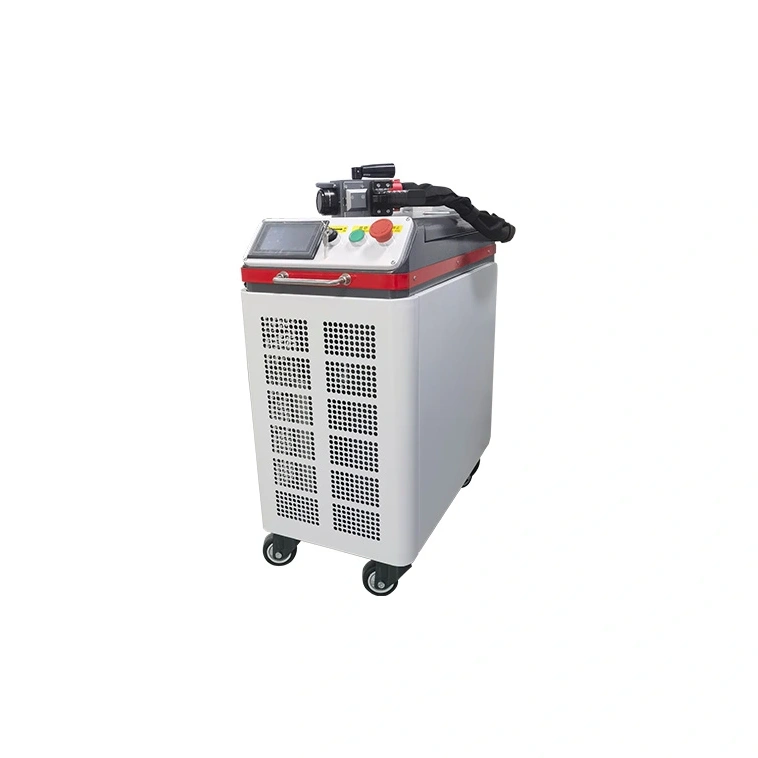
B. Respiratory and Chemical Hazards
A critical aspect of laser cleaning safety involves managing the plume of fumes, gases, and microscopic particles created when the laser vaporizes a surface coating. Without proper ventilation, you and your team will breathe these in.
1. Toxic Fume Generation What are you cleaning off? If the surface has lead-based paint, cadmium coatings, or hexavalent chromium, the laser will vaporize these toxic materials, releasing poisonous fumes. Inhaling these can cause severe, long-term health problems.
- Data Point: Studies from industrial hygiene organizations have shown that laser ablation of coated metals can generate airborne contaminants well above permissible exposure limits set by agencies like OSHA.
2. Creation of Hazardous Gases The intense energy of the laser can break down molecules in the air and in the material itself, creating new, harmful gases. Common examples include:
- Ozone (O3): A powerful irritant to the respiratory system.
- Carbon Monoxide (CO): A toxic gas that is odorless and colorless.
- Volatile Organic Compounds (VOCs): Released from paints, adhesives, and solvents.
3. Particulate Inhalation The ablation process generates a cloud of ultrafine dust and nanoparticles. Because they are so small, these particles can bypass the body’s natural defenses, travel deep into the lungs, and even enter the bloodstream. Long-term exposure has been linked to chronic respiratory conditions.
[Internal Link Idea: A link to an article titled “Choosing the Right Fume Extractor for Your Workshop” could be placed here.]
C. Fire and Explosion Risks
A Class 4 laser is a powerful ignition source. A moment of carelessness can lead to a serious fire.
Fire Safety Checklist:
- [✓] Clear the Work Area: Remove all flammable and combustible materials from the laser’s vicinity, including rags, paper, cardboard, solvents, grease, and plastics.
- [✓] Watch for Sparks: The cleaning process can create hot sparks that can travel a surprising distance. Be aware of the entire area, not just the immediate workpiece.
- [✓] Avoid Flammable Environments: Never operate a laser cleaner in an area with flammable gases, liquids, or a high concentration of combustible dust. This creates a severe explosion risk.
- [✓] Keep a Fire Extinguisher Nearby: Ensure a suitable fire extinguisher (e.g., Class ABC or D, depending on the materials) is accessible and that personnel are trained to use it.
D. Electrical and Mechanical Dangers
The laser system itself presents standard industrial machinery hazards.
- High Voltage: Laser cleaning systems use high-voltage power supplies. Only authorized and trained technicians should ever open the machine’s housing. Contact can be fatal.
- Equipment Malfunction: Safety interlocks and regular maintenance are critical. A malfunction could cause the laser to fire unexpectedly.
- Moving Parts: Many laser cleaners are mounted on robotic arms. These automated parts pose significant crushing and pinching hazards. Always follow strict Lockout/Tagout (LOTO) procedures during maintenance to ensure the machine cannot be powered on accidentally.
Do Laser Cleaning Machines Require Fume Extraction?
In most applications, yes—laser cleaning machines should be used with effective fume extraction. The cleaning process does not only remove contaminants from the surface; it can also generate fumes, harmful gases, and fine airborne particles as rust, paint, coatings, oil, or other residues are vaporized by the laser. If these byproducts are not captured and filtered properly, they can remain in the air and create a respiratory hazard for operators and nearby personnel.
For this reason, a local exhaust ventilation (LEV) system is considered an essential safety control in many laser cleaning environments. It helps remove the plume directly from the point of cleaning and reduces the risk of exposure, especially when working on coated, painted, or potentially hazardous materials.
The exact setup may also vary depending on the laser type and application, so it is helpful to understand the differences between pulsed vs CW laser cleaning before selecting a system.
What PPE Is Required for Laser Cleaning?
Laser cleaning PPE usually includes wavelength-specific laser safety eyewear, protective clothing, gloves, and, when necessary, respiratory protection. Because most laser cleaning machines are Class 4 systems, proper PPE is essential to reduce the risk of eye injury, skin burns, and exposure to hazardous fumes.
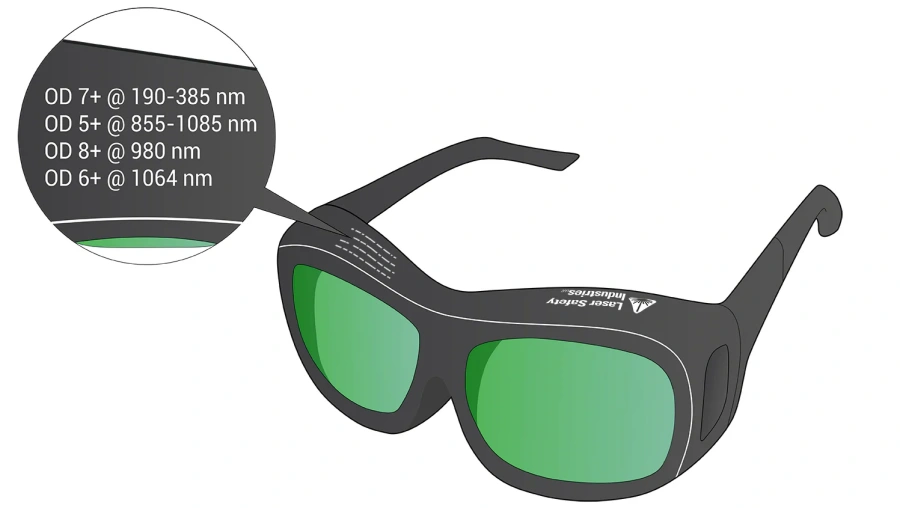
PPE is essential, but it should never be the only thing protecting you. It is used to protect against hazards that remain after all engineering and administrative controls are in place.
- Laser Safety Eyewear: This is the most critical piece of PPE. You must wear safety glasses or goggles that are specifically rated for the wavelength and power of your laser. Look for two numbers on the eyewear:
- Wavelength: It must match your laser’s wavelength (e.g., 1064 nm for a fiber laser).
- Optical Density (OD): This number (e.g., OD 7+) tells you how much of the laser’s energy is blocked. A higher OD provides more protection. Using the wrong eyewear is as dangerous as using no eyewear at all.
- Respiratory Protection: If fume extraction isn’t sufficient to bring air quality to a safe level, operators must wear respirators with the appropriate filters (e.g., P100/HEPA for particulates, specific cartridges for VOCs or acid gases).
- Protective Clothing: Flame-resistant clothing and leather gloves can protect against sparks and thermal burns from hot surfaces.
How to Implement a Robust Laser Cleaning Safety Plan
To manage these risks effectively, safety professionals use the Hierarchy of Controls, a widely recognized framework for reducing or removing workplace hazards. This model prioritizes the most effective safety measures over less effective ones.
1. Engineering Controls (Your Most Effective Defense)
These are physical changes to the workspace or equipment that remove or isolate the hazard. They are the first and most important line of defense because they don’t rely on human behavior.
- Full Enclosure Systems: The safest way to use a laser is inside a fully enclosed, interlocked cabinet. If a door is opened, the laser shuts off automatically, making it impossible for the beam to escape.
- Beam Path Controls: For larger jobs where a full enclosure isn’t practical, use physical barriers like beam blocks or safety shutters to stop the laser beam from leaving the controlled work area. Any viewing windows must be made of special laser safety glass rated for the correct Optical Density (OD) to block that specific laser wavelength.
- Fume and Dust Extraction: A high-quality Local Exhaust Ventilation (LEV) system is non-negotiable. This isn’t just a fan; it’s a dedicated extraction system with a capture hood placed directly at the point of cleaning. It sucks the hazardous plume away and runs it through a multi-stage filtration system (including HEPA filters) to trap harmful particles and fumes.
- Emergency Stops (E-stops): Every laser system must have clearly marked, easily accessible E-stop buttons that immediately shut down the entire system.
2. Administrative Controls (Your Rules for Safety)
These are the procedures, training, and policies that tell people how to work safely.
- Comprehensive Training: No one should operate a laser cleaner without in-depth training on its specific operation, hazards, and safety protocols.
- Appoint a Laser Safety Officer (LSO): Per the ANSI Z136.1 standard, a designated LSO is responsible for overseeing the entire laser cleaning safety program. The LSO conducts hazard analyses, ensures controls are working, and manages all training and procedures.
- Develop Standard Operating Procedures (SOPs): Every task should have a clear, step-by-step written procedure that includes all safety checks.
- Control Access to the Area: The laser cleaning zone must be a Controlled Laser Area. This means it should be clearly marked with warning signs, and access must be restricted to trained and authorized personnel only.
3. Personal Protective Equipment (PPE) (Your Last Line of Defense)
PPE remains an essential part of laser cleaning safety, but it should never be the only protective measure. It is used to reduce the risks that remain after engineering and administrative controls are in place. In most cases, this includes laser safety eyewear, protective clothing, gloves, and respiratory protection when required. For a more detailed breakdown of PPE requirements, see the section above on what PPE is required for laser cleaning.
Key Regulations and Standards for Laser Cleaning Safety
A strong safety program is built on a foundation of established regulations.
- ANSI Z136.1 (USA): The American National Standard for Safe Use of Lasers is the cornerstone of laser safety programs in the United States. It provides detailed guidance on everything from hazard classification to control measures.
- IEC 60825-1 (International): This is the primary international standard for the safety of laser products.
- OSHA (USA): The Occupational Safety and Health Administration requires employers to provide a workplace free from recognized hazards. While OSHA doesn’t have a specific “laser cleaning” standard, it can enforce safety using its General Duty Clause and by referencing the ANSI standards.
Conclusion: A Strong Safety Culture is Non-Negotiable
Laser cleaning is a powerful tool, but its power demands respect. A safe operation is not a matter of luck; it’s the result of a deliberate, proactive laser cleaning safety plan.
By embracing the hierarchy of controls—prioritizing robust engineering solutions, reinforcing them with clear administrative rules, and backing them up with the correct PPE—companies can effectively manage the risks of Class 4 lasers. A commitment to constant awareness and a culture where every team member feels responsible for safety is the key to unlocking the full potential of this technology without compromising the well-being of your people.
FAQs
The three biggest dangers are: 1) severe and permanent eye injury from the laser beam, 2) inhaling toxic fumes and microscopic particles created during cleaning, and 3) fire or explosion risks from the laser’s intense heat igniting nearby materials.
Yes, absolutely. The focused energy of the laser can easily ignite flammable materials like oil, grease, solvents, paper, or wood. Sparks generated during the cleaning process can also fly off and start a fire on nearby combustibles.
The single most important piece of personal protection is wearing laser safety glasses or goggles. These must be specifically designed to block the exact wavelength of your laser and have a high enough Optical Density (OD) rating. However, the safest method is an engineering control, like a fully enclosed system, which physically prevents the beam from ever reaching you.
Yes. You must establish a “Controlled Laser Area.” This area should have physical barriers, clear warning signs, and restricted access. The goal is to ensure that no unprotected person can accidentally walk into the path of the laser beam.