
The cleaning industry uses many different ways to clean things. Most cleaning methods today rely on chemicals and physical scrubbing, which can create problems. These leftover chemicals can be harmful, and factories are allowed to use fewer and fewer cleaning chemicals as time goes on. Finding better and safer methods for cleaning and laser surface preparation is becoming very important for everyone in the industry. Laser cleaning doesn’t need to touch or scrub the surface being cleaned. This new method works well on many different materials without leaving behind any harmful chemicals or damaging heat. Laser cleaning can fix cleaning problems that old methods can’t solve. If you want to learn more, read on to understand what is laser cleaning and how it works.
How Does Laser Cleaning Work? The Science of Laser Ablation
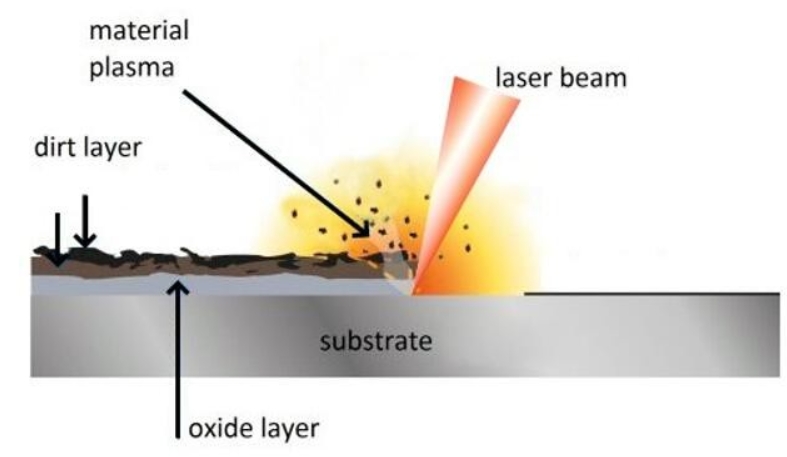
Laser cleaning is a modern, non-contact method used for high-precision cleaning and laser surface preparation. It uses a strong, focused beam of light to remove unwanted materials like rust, paint, oxides, oils, and other contaminants. This industrial process is known as laser ablation.
Here’s a breakdown of how it works:
Energy Absorption
The laser beam is aimed at the dirty surface. The contaminant layer, being the target, absorbs the vast majority of the laser’s energy. Crucially, the base material (the substrate) underneath is selected to absorb very little energy.
Rapid Heating & Ablation
The absorbed energy causes the contaminant to heat up incredibly fast, typically in nanoseconds (billionths of a second). This intense, localized heat breaks the chemical bonds holding the contaminant together, causing it to instantly vaporize (turn into a gas) or sublimate (turn directly from a solid to a gas). At very high energy levels, a small plasma (ionized gas) may form briefly above the surface, which aids in the effective removal of the contaminant.
Contaminant Removal
The resulting gas, plasma, and dislodged micro-particles are propelled away from the surface, leaving the clean base material behind. This process generates fumes that contain the ablated material, which is why a dedicated fume extraction system, often integrated into the laser cleaner machine, is essential for operator safety and process efficiency.
Selective Cleaning (Ablation Threshold)
The key to laser cleaning’s precision lies in the ablation threshold: the minimum energy required to vaporize a material. Every substance, from contaminants to the base material, has a unique threshold.
The process works by tuning the laser’s energy to be just above the contaminant’s threshold but safely below that of the substrate. Think of it like throwing a ball over a low wall (the contaminant) right in front of a much higher wall (the base material). The laser provides just enough energy to clear the first wall without ever touching the second.
Because materials like rust, paint, and oils have a much lower ablation threshold than metals like steel or aluminum, the laser can instantly vaporize these unwanted layers, leaving the metal substrate completely unharmed. This selective removal is what makes the process so precise and gentle.
Pulsed Fiber Lasers: The Core of the Modern Laser Cleaner Machine
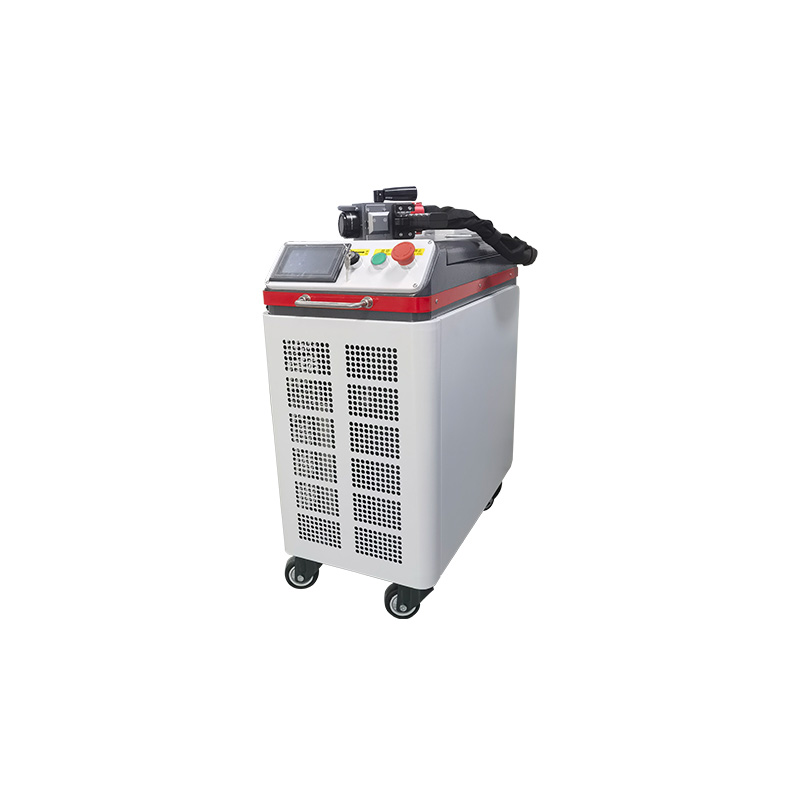
For modern industrial laser cleaning, pulsed fiber lasers are the undisputed technology of choice. They are engineered to produce high-energy light pulses that last for mere nanoseconds (billionths of a second). This method of energy delivery is the key to effective and safe laser ablation.
Here’s what makes this technology superior for cleaning applications:
Unmatched Precision and Safety through Pulsed Energy
The defining feature is the pulsed energy delivery. By concentrating energy into extremely short bursts (typically in the 10 to 500 nanosecond range), the laser instantly exceeds the contaminant’s ablation threshold. This rapid vaporization happens so quickly that minimal heat is transferred to the base material. This prevents warping, metallurgical changes, or other heat-related damage, which is critical when working on sensitive or thin substrates.
Superior Efficiency, Reliability, and Beam Quality
Pulsed fiber lasers are the workhorses of the industry for several reasons:
Excellent Beam Quality: They produce a consistent, high-quality M² beam profile that can be focused into a precise spot. This guarantees fine control over the cleaning area and ensures that the energy delivered to the surface is both stable and predictable.
Fiber Optic Delivery: The laser light is generated within and guided by flexible glass optical fibers. This allows the laser to be delivered through a lightweight, ergonomic handheld laser cleaner, providing unmatched maneuverability for manual tasks. It also enables seamless integration with robotic arms for fully automated production lines.
High Efficiency & Reliability: These systems are highly valued for their exceptional wall-plug efficiency, often exceeding 30%, which significantly reduces operational costs compared to older laser technologies. Built with robust, solid-state designs, they are engineered for reliability in demanding industrial environments and boast an operational lifespan of over 100,000 hours, ensuring years of low-maintenance service.
Total Process Control with Flexible Parameters
The true power of a laser cleaning machine lies in its digital controls. Operators can precisely fine-tune key parameters to optimize the process for any combination of substrate, contaminant, and desired cleaning speed.
| Parameter | Description | Primary Effect on Cleaning |
|---|---|---|
| Power Density | Laser energy delivered per unit area (Fluence) | Must exceed ablation threshold for removal; affects speed |
| Pulse Duration | Length of time each laser pulse lasts (e.g., ns) | Short pulses minimize heat transfer to substrate, prevent damage |
| Repetition Rate | Number of laser pulses fired per second (Hz) | Influences overall cleaning speed and potential heat build-up |
| Wavelength | Color/Type of laser light (e.g., ~1064nm Fiber) | Affects absorption by contaminant vs. substrate |
| Scanning Speed | How fast the laser beam moves across the surface | Impacts cleaning speed and energy delivered per spot |
| Spot Size | The diameter of the focused laser beam | Affects precision vs. coverage rate |
These versatile lasers are available in a wide range of power levels. Lower-power systems (e.g., 50W, 100W, 200W) are perfect for delicate tasks, fine-detail work, or smaller components. For rapid cleaning of large surfaces or stripping thick coatings like paint and heavy rust, high-power systems (e.g., 1500W, 2000W, 3000W) provide the necessary speed and throughput.
While other laser types, like Nd:YAG or CO₂ lasers, have niche applications, the pulsed fiber laser offers the optimal blend of performance, flexibility, industrial toughness, and cost-effectiveness, making it the definitive standard for the vast majority of modern laser cleaning challenges.
Key Applications: Where Laser Cleaning Excels
Laser cleaning is precise, fast, and doesn’t touch the surface. These qualities make it very useful in many industries. It solves cleaning and surface preparation problems where old methods don’t work well. Here are some main areas where it’s used:
Laser Cleaning in Manufacturing & Industrial Maintenance
Laser cleaning is important for keeping industrial equipment in good shape. It prepares surfaces for the next steps in manufacturing. This helps make sure the final products are high quality.
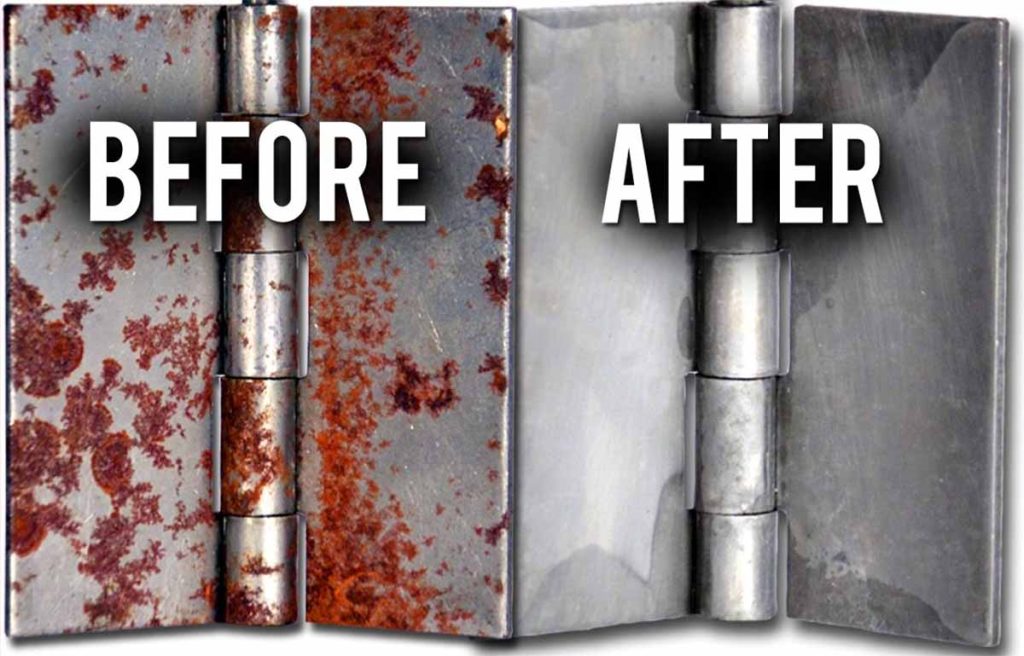
- Rust and Oxide Removal: Industrial laser cleaning excels at oxide removal, effectively stripping rust, scale, and other forms of oxidation from metals like steel, aluminum, and copper. It does this without harming the base material. This is very important for fixing and maintaining parts. It also prepares surfaces for further work.
- Paint and Coating Removal (Decoating): This process, known as laser decoating, precisely removes layers of paint, varnish, powder coating, e-coatings, and other protective films. It is often used for selective stripping before welding or bonding. It also helps fix coating defects. Plus, it prepares surfaces for recoating.
- Oil, Grease, and Contaminant Removal: Laser cleaning efficiently cleans machine parts, tools, engines, and components. It vaporizes oils, greases, lubricants, fingerprints, and other production residues without using solvents
- Mold Cleaning: Laser cleaning provides a fast, precise, and gentle way to clean complex injection molds. These molds are used in plastics, rubber, glass, and composite manufacturing. The process removes release agents and product residue without causing wear. This helps extend the mold’s operational life by up to 30% and drastically reduces production downtime.
- Surface Preparation for Joining/Coating: Surface Preparation for Joining/Coating: Laser cleaning creates a perfectly clean surface before welding, brazing, bonding, or painting. It is also highly effective for removing oxides and heat tint after the process. For a complete understanding of how this works, check out our detailed guide on laser cleaning weld seams and pre/post-weld treatments.
Aerospace and Aviation
The aerospace industry demands the highest precision and care, making laser cleaning an ideal choice. It removes contaminants, sealants, paints, and coatings from critical engine parts like turbine blades, landing gear, structural components, and avionics without changing the material’s properties. This ensures the parts remain strong and reliable. Laser cleaning also prepares surfaces perfectly for important bonding tasks, thermal spray coatings, or non-destructive testing by making sure they are completely clean. These qualities help aerospace companies meet strict safety and performance standards while extending the life of their components.
Cultural Heritage and Restoration
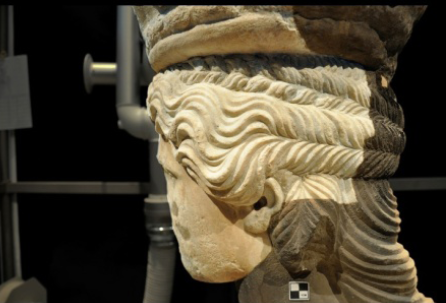
Laser cleaning is gentle and easy to control, making it perfect for preserving priceless artifacts. It removes harmful layers like dirt, pollution, graffiti, or old coatings from delicate surfaces. These include historical stonework, metal or stone sculptures, murals, and archaeological finds. The process does this without touching the surface, causing vibrations, or using chemicals. Laser cleaning also protects fine details. It cleans without wearing away or losing any original material. This is something traditional methods often cannot do.
Medical Device Manufacturing and Healthcare
Laser cleaning provides the ultra-high level of cleanliness needed for medical uses. It removes oils, polishing compounds, biofilms, and other residues from surgical tools, implants like orthopedic or dental implants, and diagnostic devices before sterilization. This ensures the equipment is safe and biocompatible. The process leaves no chemical or abrasive residues behind, which is essential in healthcare settings.
Electronics and Semiconductors
The extreme precision of laser technology is essential for delicate electronic components.
Micro-cleaning removes flux, fingerprints, epoxy bleed-out, thin films, and tiny particles from printed circuit boards (PCBs), semiconductor wafers, microelectromechanical systems (MEMS), and other delicate electronic parts. It does this without causing electrostatic discharge (ESD) or mechanical stress. This keeps the components safe and undamaged.
Selective material removal lets the laser precisely strip insulation from fine wires, a process called wire stripping. It can also remove specific layers during microfabrication with great accuracy.
Advantages: Why Choose Laser Cleaning Over Traditional Methods?
Laser cleaning has many strong advantages over traditional methods like chemical cleaning, abrasive blasting, dry ice blasting, or manual scrubbing. These benefits make it popular in many industries. Companies choose it because it offers cleaner, safer, and more efficient ways to clean surfaces.
Non-Contact & Non-Abrasive
Laser cleaning cleans surfaces without touching them. This means there’s no risk of scratches, erosion, or stress that can happen with brushes or abrasive particles. It’s perfect for delicate materials, complex shapes, or parts where exact size matters.
Unmatched Precision and Selectivity
Laser beams can be controlled with tiny, micron-level accuracy. This lets the laser remove only specific contaminants or coatings from certain spots. It won’t harm the surrounding surface. This precision is great for cleaning complex parts or areas near sensitive components. You can do this without masks or chemicals, unlike broad methods like chemical baths or blasting..
Environmentally Friendly and Sustainable
Laser cleaning is better for the environment. It doesn’t use chemical solvents, acids, or abrasive materials. This means no worries about storing, handling, or disposing of toxic chemicals or dirty blasting media. The only waste is the removed contaminant, which is captured by a fume extraction system. This makes laser cleaning a much cleaner and greener choice.
No Consumables
Unlike most other cleaning methods, laser cleaning doesn’t need consumables like abrasive media, solvents, detergents, or dry ice. This makes logistics simpler and cuts down operating costs over time.
High Efficiency and Speed
In many applications, such as weld preparation or mold cleaning, automated laser systems can be up to 75% faster than manual methods like grinding or chemical wiping, significantly reducing machine downtime. This means more production, less downtime, and quicker maintenance.
Improved Operator Safety
It also improves worker safety. Operators don’t have to deal with harsh chemicals or harmful fumes. There’s no airborne dust like silica from sandblasting or loud noise from abrasive tools. While laser safety gear like protective eyewear and enclosures is needed, it reduces many health risks linked to older cleaning methods.
Consistency and Automation Readiness
Laser cleaning is digitally controlled, so it gives consistent and repeatable results. It avoids the variability found in manual cleaning or methods where cleaning media wears out. Its non-contact nature and digital control make it easy to add to automated systems with robots. This is great for high-volume, reliable cleaning on production lines.
Cost-Effective in the Long Run
Though laser cleaning systems can cost more upfront, they save money over time. You save on consumables, waste disposal, labor, and maintenance. Plus, increased productivity boosts return on investment (ROI). Overall, laser cleaning is a smart, cost-effective choice for many industries.
| Feature | Laser Cleaning | Chemical Cleaning | Abrasive Blasting (e.g., Sandblasting) |
|---|---|---|---|
| Contact | Non-Contact | Contact (Immersion/Application) | Contact (High Impact) |
| Precision | Very High (Micron level) | Low (Typically whole part) | Low to Medium (Masking needed) |
| Substrate Damage | Minimal Risk (if parameters correct) | Risk of etching/corrosion | High Risk (Erosion/Surface change) |
| Consumables | None | Chemicals, Solvents, Water | Abrasive Media (Sand, Grit, Beads) |
| Waste | Minimal (Ablated material fumes) | Hazardous Chemical Waste | Contaminated Abrasive Media |
| Environmental | High (No chemicals/media waste) | Low (Chemical disposal issues) | Medium (Dust/Media disposal) |
| Operator Safety | High (Laser safety needed) | Medium (Chemical exposure risk) | Low (Dust inhalation/Noise risk) |
| Automation | High Suitability | Medium Suitability | Medium Suitability |
| Selectivity | High | Low | Low |
| Initial Cost | High | Low to Medium | Low to Medium |
| Operating Cost | Low | Medium (Chemicals, Disposal) | Medium (Media, Disposal, Wear) |
Understanding the Challenges and Limitations of Laser Cleaning
Laser cleaning has many important benefits. However, those thinking about using it should also know its challenges and limits. This helps make sure it suits their specific needs and environment.
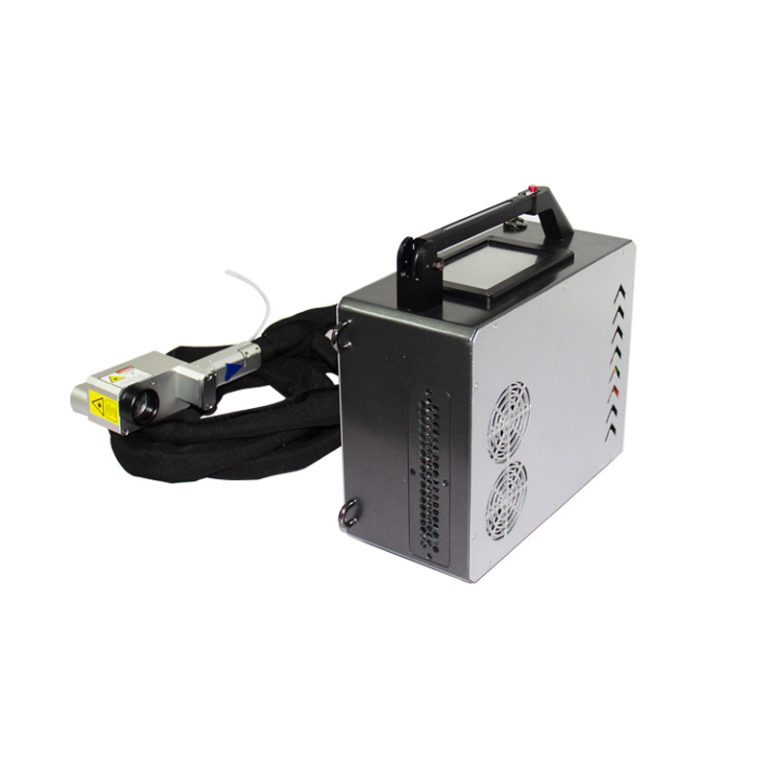
Initial Investment Cost
IA common question is about the cost of industrial laser cleaning, as these systems usually need a higher upfront cost than many traditional cleaning setups, like pressure washers or simple chemical baths. The price can vary a lot depending on the laser’s power, which ranges from tens of watts to several kilowatts. Other factors include features, brand, and how automated the system is. Even though the initial cost is high, the long-term return on investment (ROI) is often very good. This is because businesses save money on consumables, labor, and waste disposal over time. However, that first cost can still be a big factor for many companies.
Material Compatibility and Process Sensitivity
Laser cleaning works best when the laser energy is carefully matched to the materials involved. Every material has an ablation threshold, which is the minimum laser energy needed to remove it. If the laser energy is below this threshold, nothing will be removed no matter how many times the laser hits the surface. For example, rust has a lower ablation threshold than metals like steel or aluminum. This means the laser can remove rust without damaging the metal underneath.Highly reflective surfaces, such as polished copper or aluminum, reflect much of the laser energy. This can reduce cleaning efficiency or require lasers with special wavelengths or higher power to work well. Materials that are sensitive to heat, like certain plastics, wood, or thin coatings, can melt or burn if the laser settings are not carefully controlled.
This makes precise control of laser power and pulse duration very important. Sometimes, the ablation thresholds of the contaminant and the base material are very close. In these cases, the laser parameters must be finely tuned to remove only the unwanted layer without harming the underlying surface. This requires careful testing and possibly advanced laser systems that can deliver very short, intense pulses. Using short pulses helps limit heat transfer to the base material, reducing the risk of damage.
Strict Laser Safety Protocols
High-power Class 4 lasers used in these systems need strict safety measures to protect people. Direct or scattered laser beams can cause serious, permanent eye damage. Everyone in the hazard zone must wear laser safety glasses made for the laser’s wavelength. The laser beam can also cause severe skin burns if it hits the skin.The cleaning process creates airborne particles and fumes from the removed material. Some fumes, like those from lead paint or certain oxides, can be dangerous to breathe. That’s why strong, filtered fume extraction systems are needed right where the cleaning happens.Laser cleaning usually takes place in a controlled area. This area often has physical barriers, interlocked doors, or shields to keep the laser contained and prevent accidents. Operators must receive thorough training on laser safety. This training is essential to keep everyone safe.
Line-of-Sight Requirement
Laser cleaning needs a clear, open path between the laser tool and the surface being cleaned. It cannot reach hidden inside surfaces, deep narrow holes, or spots blocked by other parts. In these cases, other methods like immersion cleaning might be needed.
Parameter Optimization Complexity
Getting the best results means finding the right mix of laser settings. These include power, pulse frequency, pulse length, scanning speed, and focus distance. The settings must match the material, type of contaminant, and its thickness. There are preset options for common jobs. But new or tricky tasks often need expert knowledge and testing to adjust the process perfectly.
Speed Considerations for Large Areas
Laser cleaning works very fast for detailed tasks or complex shapes. However, cleaning very large, flat surfaces with light dirt might sometimes be quicker with traditional methods. These include power washing or wide abrasive blasting systems. But these methods often have lower quality, less precision, and cause more environmental harm.
| Material Category | General Suitability | Key Considerations |
|---|---|---|
| Metals | Excellent (Steel, Aluminum, Copper, etc.) | Highly reflective metals may need parameter adjustment |
| Stone & Ceramics | Good to Excellent | Can remove surface layers, grime, coatings |
| Composites | Variable / Requires Testing | Depends on matrix/fiber; risk of delamination/damage |
| Plastics | Variable / Often Challenging | Risk of melting, charring; specific types/lasers needed |
| Wood | Generally Unsuitable (Risk of burning) | Very low power for specific surface effects possible |
| Glass | Variable / Surface Cleaning Possible | Risk of cracking; depends on laser type/application |
Conclusion: The Precise, Clean Future of Surface Treatment
Laser cleaning uses laser ablation and is a big step forward in industrial cleaning and surface prep. Traditional methods often rely on harsh chemicals, abrasive materials, or manual work. Laser cleaning, however, offers precise, non-contact cleaning that is better for the environment. It works well on many contaminants like rust, paint, oxides, and oils. This method removes the need for consumables, cuts down waste, improves worker safety, and allows for automation. Because of these benefits, it is popular in industries with high standards, such as aerospace, medical manufacturing, automotive, and cultural heritage restoration.
Still, using laser cleaning successfully means thinking about some challenges. The initial investment can be high. Strict safety rules must be followed. Not all materials or contaminants are suitable, and the laser settings need to be carefully adjusted. Knowing these limits helps companies use the technology well. As laser systems get more efficient and easier to access, and as environmental rules get tougher, laser cleaning will become even more important. It offers a way to get better quality, work faster, and run greener operations in modern manufacturing and maintenance.
Ready to see if laser cleaning can fix your surface treatment problems? Contact our experts today. They can offer a consultation or set up a demonstration for your specific needs.
FAQs
Laser cleaning works based on something called the “ablation threshold.” Every material, including the contaminant and the base material, needs a certain minimum laser energy to be vaporized. The laser settings are carefully adjusted to give enough energy to remove the contaminant, like rust or paint. At the same time, it does not harm the material underneath. This ensures the contaminant is removed without causing damage.
Laser cleaning is safe when proper safety rules are followed. The high-power lasers used, usually Class 4, can cause serious eye and skin injuries if exposed directly or by reflection. That’s why safety measures are required. These include wearing protective glasses made for the laser’s wavelength. Operators must work inside special safety enclosures or controlled areas. Good fume extraction systems are needed to catch airborne particles made during cleaning. Thorough training for operators is very important.
Laser cleaning works very well on most metals like steel, aluminum, copper, and stainless steel. It also works on stone and ceramics. The process is great at removing rust, oxides, paints, coatings, oils, grease, mold release agents, and general dirt. When it comes to plastics and composites, results can vary. These materials are sensitive to heat, so laser settings must be chosen carefully.
Key advantages include that laser cleaning does not touch the surface, so there is no wear. It is very precise and cleans only the areas needed. The process is good for the environment because it uses no chemicals or abrasives and creates little waste. It doesn’t need consumable materials. Laser cleaning is often faster for certain jobs. It also keeps operators safe by avoiding chemical exposure and dust. The process can be easily automated to give consistent results.