
China Laser Marking Machine Manufacturers

What is Laser Marking Machine

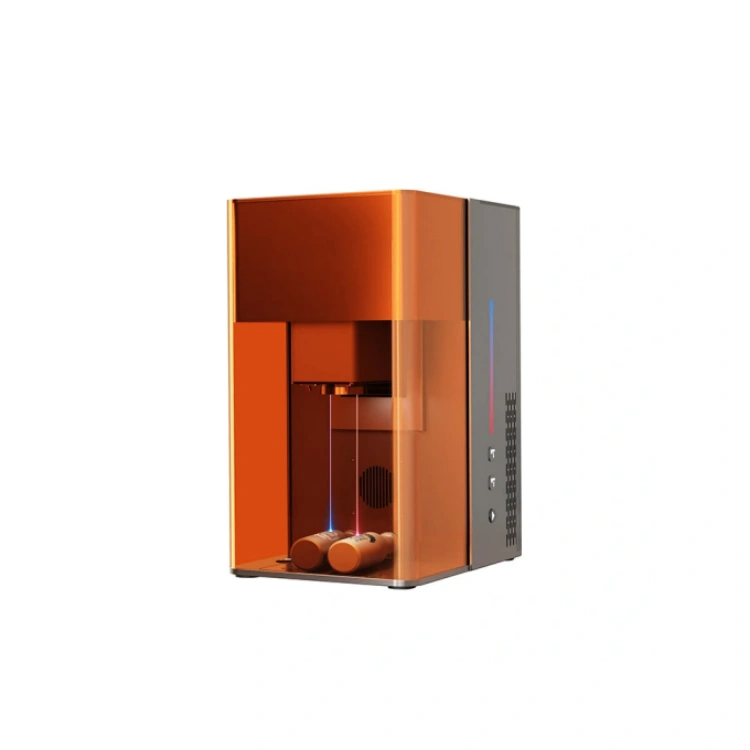
A Laser Marking Machine (also known as a laser engraving machine)  is a type of equipment that uses a focused beam of light (a laser) to create permanent marks on the surface of a material. There are three main types based on the laser source technology: UV Laser Markers, Fiber Laser Markers, and CO2 Laser Markers. Unlike laser cutting (which slices through) or deep laser engraving (which removes significant material), laser marking primarily alters the material’s surface properties or removes a minuscule layer to create high-contrast identifiers without significantly impacting the material’s integrity.

Best Laser Marking Machine for Sale

Navigating the wide array of laser marking machines can be overwhelming. There are many manufacturers, laser types like Fiber, CO2, or UV, and different features to choose from. This makes it hard to pick the best one for your materials or needs, such as traceability or branding. To help, we offer a full range of laser marking machines. Our skilled technical team guides you through the choices. They help you find the best laser type and setup for your work. We also support flexible OEM and ODM partnerships. This means you get a custom, cost-effective marking solution made just for you.

6

RL-20 30 50C Portable 30W Raycus Fiber Laser Marking Machine 30w /20w/50w Multifunction

Product Application Portable laser marking machines are widely used for precise marking on various materials,...
1

RL-GD Glass Laser Drilling Machine Desktop 3D 20W MOPA Color Fiber Laser Cutting Marking Machine

Product Application Laser marking glass cutting machines are widely used in electronic products, construction,...
1 2 3

What is a Laser Marking Machine used for?

Laser marking machines make permanent marks. They are mainly used for important jobs like identifying parts and tracking items through production. Think serial numbers and barcodes. These machines skillfully add tracking info, plus details like date codes or part numbers, onto many items used in manufacturing and electronics.

But they do more than just tracking. You can also use them to personalize gifts or jewelry with names and cool designs. They can create decorative patterns or add important safety warnings and technical details right on a surface. Many industries rely on them. Because the marks are made quickly, are very exact, and last a long time, these machines are essential for companies making cars, airplane parts, and medical equipment.

laser marking machine application

What is the Laser Marking Machine Price?

Laser marking machine prices vary a lot, so it’s hard to give just one price. The cost depends on many things like the laser type-Fiber, CO2, UV, or MOPA-and the power level. The brand and quality of the laser source also matter. Some brands are premium, while others are more budget-friendly. Features like rotary attachments, automation, and enclosure type add to the price too. Software and the manufacturer’s support and warranty also affect the cost.

Basic, low-power handheld laser marking machines start around $1,000 USD. Standard industrial workstations or special machines like UV lasers usually cost between $2,000 and $5,000 USD or more. Higher power and more advanced features push the price even higher. To get the right price for your needs, you should ask for a custom quote based on your materials, speed needs, and features required. This way, you get an accurate cost that fits your application.

Frequently Asked Questions

Which type of laser marker is best: Fiber, CO2, or UV?

The best type depends entirely on the material you need to mark:

Fiber Lasers: Ideal for most metals (steel, aluminum, brass, titanium, etc.) and many types of plastics. MOPA fiber offers more versatility, like color marking on stainless steel.

CO2 Lasers: Primarily used for organic materials (wood, paper, leather, glass, acrylics) and certain polymers.

UV Lasers: Best for « cold marking » heat-sensitive plastics, silicon, glass, and other materials where minimizing thermal damage is critical.

For a detailed breakdown of the pros, cons, and specific uses of each technology, see our guide comparing Fiber vs. CO2 vs. UV laser markers.

Yes, laser marking makes permanent identifiers that resist rubbing, chemicals, and heat. Unlike deep engraving, it mainly changes the surface of the material. This can mean changing color, creating foam, or slightly removing a tiny bit of material. It does not cut deep into the part. This makes the mark strong and long-lasting. At the same time, it keeps the part’s structure safe. That’s why laser marking is great for traceability and branding without causing damage.

Beyond the basic laser type like Fiber, CO2, or UV, and the power rating, many other details affect the cost. The brand and quality of the laser source matter a lot. Premium brands usually cost more than budget-friendly ones. The speed and size of the scanning system, like the galvo head and lens, also impact price. Added features such as rotary devices or automation can raise the cost. The type of safety enclosure you choose makes a difference too. Control software that is more advanced will cost more. Finally, the level of manufacturer warranty and technical support affects the overall price.

Laser marking is generally a very fast process, often much quicker than traditional marking methods like engraving or stamping, but the exact speed varies significantly. Key factors that determine how fast a laser marker can work include:
The Scanner (Galvo) System: The speed at which the internal mirrors can move the laser beam is often the primary factor.
Laser Power: Higher power can sometimes allow for faster marking speeds on certain materials.
Material Type: Different materials react to the laser energy at different speeds.
Mark Content & Size: Marking simple text or a small code is extremely fast (often fractions of a second), while filling large areas or marking complex, high-resolution graphics takes longer.
Required Mark Quality: Achieving specific visual effects, depths, or contrasts might require slower, more controlled marking speeds. For specific cycle time estimates, it’s best to consult with suppliers based on your exact marking requirements.

Contact us

We will reach out to you within 24 hours at the email address you provided. Please keep an eye on your inbox.

Contact us on WhatsApp