
Laser Beam Machining (LBM) and related laser technologies like laser cutting, laser welding, laser marking, and laser cleaning machines offer many advantages that make them important in today’s manufacturing. LBM, for instance, uses a strong laser beam to remove material very precisely. This overall non-contact approach of laser processing helps keep things clean and accurate. Because of these benefits, these laser systems are used in big industries like aerospace, electronics, medical devices, and cars. The article explains the main advantages of laser beam based manufacturing. It focuses on how precise, fast, and flexible these processes are, along with how they improve efficiency.
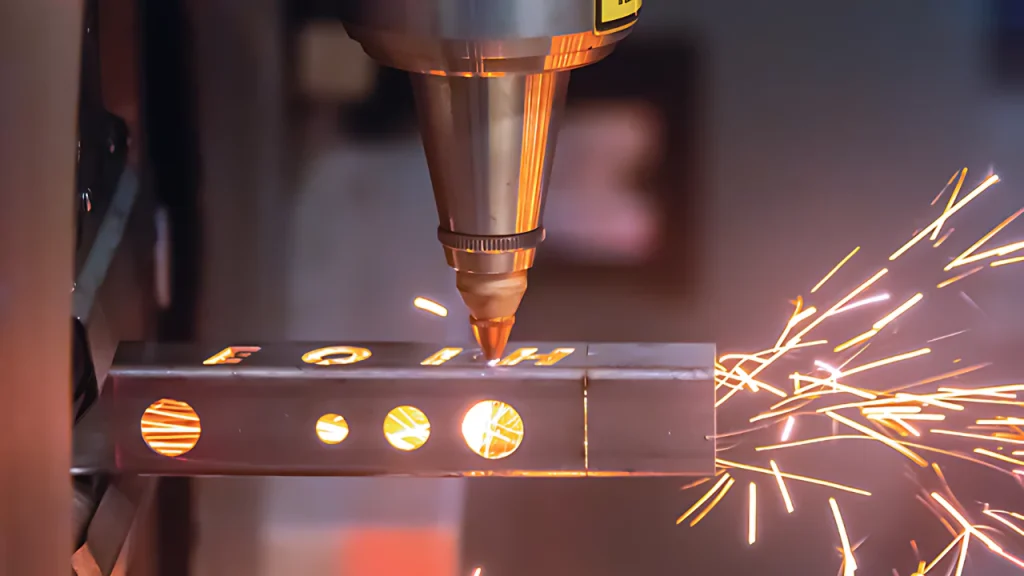
The Precision Advantage: LBM’s Unmatched Accuracy
One big advantage of Laser Beam Machining is its amazing precision. It can create very detailed features that regular machines often can’t. This is really important when exact measurements matter a lot.
Advantage: Micron-Level Precision
LBM can focus its laser beam to tiny spots as small as 0.001 mm (1 micrometer). This means it can make very fine details. In cars, it helps make tiny holes in fuel injectors for better performance. In electronics, it works on delicate parts with great accuracy. The medical field uses this precision to make stents that must meet very strict size limits, like ±0.01 mm, to keep patients safe.
Advantage: Minimal Heat-Affected Zone (HAZ)
AA key technical benefit is the minimal heat-affected zone (HAZ). LBM sends energy to a very small area, so it doesn’t heat up the whole part. This keeps materials from bending or getting damaged. For example, studies on laser cutting aerospace-grade titanium show the heat-affected zone is often less than 50 micrometers The laser’s heat stays right where it’s needed.
Advantage: Superior Surface Finish
LBM doesn’t touch the material with tools, which means it leaves a smooth surface. Since it uses light, there’s no tool wear or mechanical damage. This results in clean edges without rough spots or burrs. Often, this means no extra finishing work is needed. This is very helpful in making jewelry, where smooth, perfect edges make the product look better and more valuable. Smooth surfaces save time and effort later.
The Efficiency Advantage: LBM’s Speed and Productivity Gains
Laser Beam Machining offers great speed and efficiency that benefit manufacturers a lot. These advantages help improve production flow, cut down lead times, and lower costs. Advanced manufacturing processes gain much from these improvements.
Advantage: High-Speed Cutting and Drilling
The high processing speed of LBM is a significant factor in its efficiency. The high power density lets it remove material quickly during cutting and drilling. For example, fiber lasers can cut stainless steel at speeds up to 30 meters per minute. CO₂ lasers can cut acrylic at about 20 meters per minute. This speed supports large-scale production, like making 500 gear parts every hour. Fast processing is a major strength of industrial lasers.
Advantage: Reduced Setup Time
LBM also saves time by reducing setup needs. Digital designs from CAD software are uploaded directly. This can cut setup time by up to 70%, avoiding slow tool changes. Plus, LBM systems switch jobs quickly. For example, changing from cutting wood to engraving glass takes only about 5 minutes. This flexibility helps boost productivity in many manufacturing environments.
Advantage: Energy Efficiency
Energy use is another area where LBM shines. Many machines use pulsed lasers that send energy in short bursts. This method can improve energy efficiency by up to 30% compared to continuous lasers in some tasks. Most energy is used only when the laser interacts with the material. Also, nesting software helps arrange parts efficiently on sheets. This can reduce overall energy use by 15–20%.
LBM’s Process Advantages: Non-Contact Operation and Material Versatility
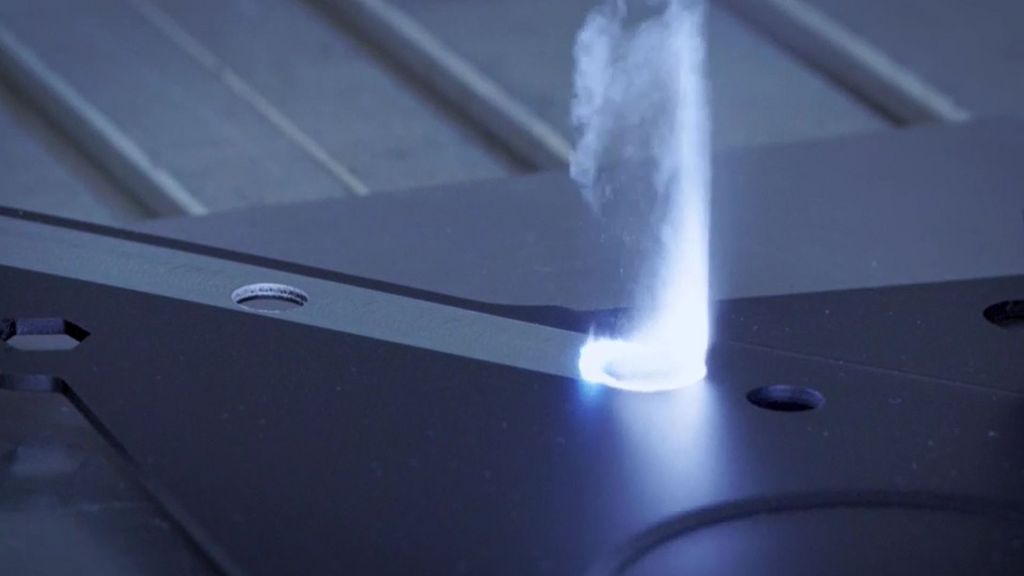
Laser Beam Machining has two big strengths: it doesn’t touch the material, and it works with many different materials. These features solve problems that come with regular machining methods. They show why LBM is so useful.
Advantage: Elimination of Tool Wear
Because LBM doesn’t physically touch the workpiece, tools don’t wear out. This means machines run longer without needing repairs or replacements. It also stops parts from getting dirty or damaged during machining. This is very important in making medical devices and electronics. In contrast, CNC milling tools wear down and can cause errors and extra costs. The laser removes material without dulling any tools.
Advantage: Broad Material Compatibility
LBM can work on many materials. It cuts metals, even shiny ones using special lasers, as well as hard ceramics, plastics, glass, and tough composites like carbon fiber. Different lasers suit different materials-CO₂ lasers work well on organic materials, and fiber lasers are great for metals. This variety makes LBM very flexible for manufacturers. They can pick the best laser for each job.
Advantage: Flexibility in Geometric Machining
LBM also offers great flexibility in shaping parts. The laser beam can make very detailed 2D and 3D cuts. Machines with multiple axes can reach the workpiece from many angles. This lets manufacturers create complex parts easily. For example, aerospace turbine blades have cooling holes drilled at exact angles. All this happens without needing many setups. Making tiny, complex shapes is possible with LBM.
LBM’s Automation and Scalability Advantages
Laser Beam Machining offers big benefits through easy automation and consistent results. These features make it perfect for large-scale, reliable production in today’s factories. It fits well with modern industrial automation systems.
Advantage: Integration with CNC and Industry 4.0
A primary driver of its modern appeal is LBM’s seamless integration with CAD/CAM software and Industry 4.0 principles. Digital designs directly control the LBM machine. This makes workflows smoother and faster. It also connects with the Internet of Things (IoT) for real-time monitoring and data analysis. This helps improve performance. Because of this, one operator can run many machines at once. These machines keep process accuracy at 99.9%, boosting efficiency.
Advantage: Scalability for Mass Production
LBM is great for making many identical parts. Once set up, it produces parts that meet exact size limits every time. This lowers waste and cuts down on inspections. For example, LBM can drill 10,000 tiny holes in a circuit board with ±5 micrometer accuracy. This ability to scale up makes LBM very valuable. Industries that need large amounts of precise parts benefit most.
LBM’s Environmental and Cost-Saving Advantages
Laser Beam Machining offers important benefits for both the environment and cost savings. These come mainly from using materials efficiently and cleaner processing methods. This matches well with today’s focus on sustainable manufacturing.
Advantage: Optimal Material Utilization
LBM excels in its efficient use of materials. The narrow cut width, usually between 0.1 and 0.3 mm, means less material is wasted. When combined with smart software that arranges parts on sheets, LBM can use up to 95% of the material. This is better than methods like plasma cutting, which only use 70 to 80%. Using less raw material saves money and creates less scrap.
Advantage: Eco-Friendly Processing
LBM is also a cleaner way to process materials. It doesn’t produce chemical waste like some other methods that use harsh chemicals. Modern LBM machines have strong systems to remove and filter fumes. This keeps emissions low. Unlike waterjet cutting, which creates dirty water, LBM’s dry process is better for the environment. It can cut carbon footprints by 20 to 30% compared to older methods.
LBM: Safety and Operational Efficiency Advantages
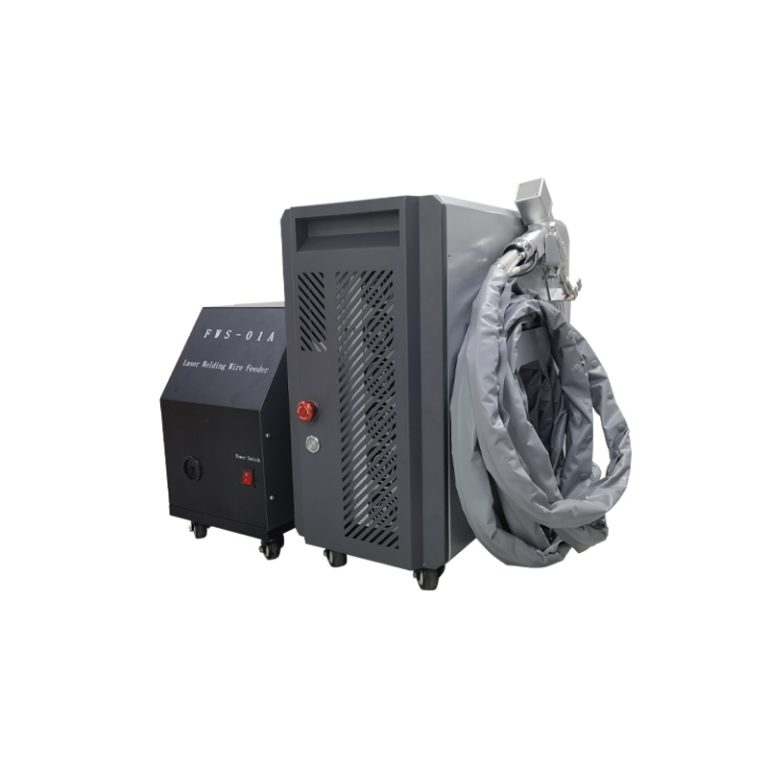
Further advantages of Laser Beam Machining include enhanced operator safety features and improved operational efficiency due to low maintenance requirements. These contribute to a better work environment and higher productivity.
Advantage: Enhanced Operator Safety
This focus on operator safety is a cornerstone of modern LBM systems. Systems are typically enclosed with safety interlocks. These prevent laser radiation exposure. Integrated fume extraction removes potentially toxic byproducts. This protects operator health. It also ensures compliance with safety standards like those from OSHA. This focus on safety is a significant LBM benefit.
Advantage: Low Maintenance Requirements
LBM systems are also valued for their low maintenance requirements. With fewer moving parts than mechanical systems, wear and tear are reduced. The laser source itself, especially robust fiber lasers, often has a long operational lifespan (e.g., >100,000 hours). This durability and reduced mechanical complexity lead to high operational uptime (around 98%). This is a clear LBM advantage for consistent production. High-power lasers now offer increased reliability.
LBM Advantages in Action: Industry Applications
Laser Beam Machining shows its strengths in many tough industries. Its benefits help solve important manufacturing problems. This proves why LBM is so valuable.
Aerospace and Defense: Leveraging LBM Strengths
In aerospace and defense, LBM’s precision and ability to work with many materials are very important. It drills tiny cooling holes in superalloy turbine blades. It also cuts lightweight composite parts for airplane frames. Laser welding is used to join parts in satellites. LBM can machine tough metals like Inconel 718. These jobs need very exact manufacturing.
Medical Device Manufacturing: Precision Benefits
The medical field depends on LBM for making precise surgical tools with edges as sharp as 5 micrometers. It also makes detailed implants like heart stents with thin struts about 0.1 mm wide. The fact that LBM doesn’t touch the parts helps keep them sterile. Precision is key for patient safety and device performance.
Electronics and Microfabrication: The Miniaturization Advantage
In electronics, LBM helps make smaller and more complex parts. It etches circuit patterns on boards. It cuts hard materials like sapphire used for phone screens. LBM drills tiny holes less than 1 micrometer wide in semiconductors and circuit boards. This allows devices to be smaller and work better. Laser drilling offers unmatched accuracy for these tasks.
Conclusion: Why LBM Advantages Lead Manufacturing Innovation
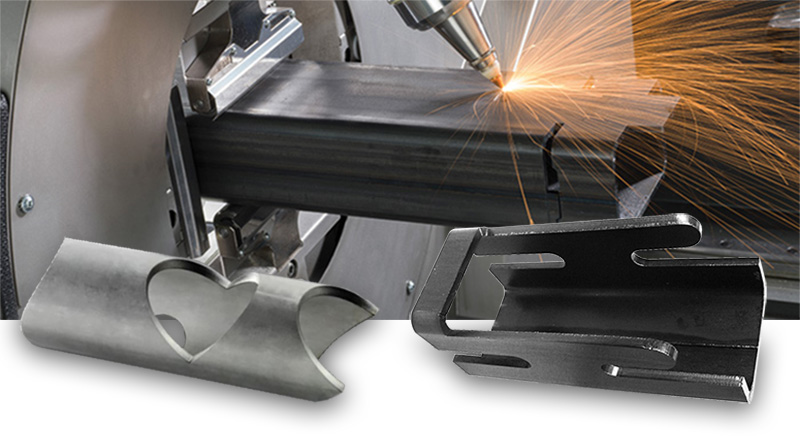
Laser Beam Machining offers many advantages like great precision, high speed, and the ability to work with many materials. It also supports automation, reduces waste, improves safety, and boosts efficiency. Because of these benefits, LBM is a top technology in modern manufacturing. Its non-contact, heat-based process consistently produces excellent results. This makes it a vital tool for new ideas and improvements.
In the future, new trends like combining lasers with robots and using AI to improve processes will make LBM even better. Industries want faster, more accurate, and greener ways to make things. LBM’s strong advantages will help it grow and stay important in shaping how products are made. Laser Beam Machining is clearly a key part of making the next generation of products and processes. Innovation in manufacturing depends on technologies like this.
FAQs
Laser Beam Machining (LBM) is a broad term that encompasses all processes using a laser to remove material. Laser cutting is a specific type of LBM where the laser beam cuts completely through a material to separate it into parts. Other LBM processes include laser drilling (creating holes), laser engraving (creating surface marks), and laser ablating (removing material layer by layer).
This depends entirely on the laser’s power and the material being processed. For instance, a high-power 20kW fiber laser can cut stainless steel over 50 mm thick. However, for most industrial applications, LBM is most efficient and precise on metals up to 25 mm thick. For plastics and wood, the thickness can be greater.