
How much does a laser welder cost? The answer depends on the type of machine, power level, configuration, and support package. A handheld laser welder, a jewelry laser welder, and an automated robotic welding system can sit in very different price ranges, so there is no single standard price.
In this guide, we break down laser welder price ranges by machine type, explain what affects the final quote, compare laser welding with traditional welding methods, and highlight the hidden ownership costs buyers should consider before making a purchase.
Quick Answer: How Much Does a Laser Welder Cost?
Laser welder prices vary widely by machine category. In general, handheld laser welders are usually the most affordable option, jewelry laser welders are priced around precision and control, and automated laser welding systems require a much higher investment because of integration, tooling, safety systems, and production capability.
The final price depends on more than power alone. It is also affected by the laser source, cooling system, welding head, software, integrated functions, safety setup, warranty, and after-sales support. This is why two laser welding machines with similar power ratings can still have very different prices.
If you are comparing quotes, the fastest way to understand laser welder pricing is to first identify the right machine type for your application, then compare power, features, and support package within that category.

Laser Welding Machine Cost Comparison by Type
Laser welder prices vary widely because different machine types are built for different jobs. A handheld fiber laser welder for general fabrication costs much less than a jewelry laser welder for fine precision work or an automated robotic system for high-volume production.
For most buyers, the easiest way to compare laser welder prices is by machine type first. In general, handheld systems are the most affordable, jewelry laser welders are priced around precision and control, and automated laser welding systems require a much higher investment because of integration, tooling, safety systems, and production automation.
Price Guide for Handheld Fiber Laser Welders
Handheld fiber laser welders are a common category for entry-level and versatile welding applications. The price for these systems typically ranges from approximately $2,000 to over $10,000 USD, with cost being influenced primarily by power rating, brand, and included features.
Lower Power ($2k – $3.5k):
For those searching specifically for the cost of a 1.5kW laser welder, this is the typical entry point. This price range generally includes lower-power units, such as 1.5kW models. These welders are well-suited for precision work on thinner materials, like 2mm thick stainless steel, where preventing material warping is a key consideration. Cost variations within this tier are primarily related to the manufacturer’s brand and the specific features offered with the machine.
Mid-Range ($3k – $8k):
Covering machines in the 2kW to 3kW range, this segment is a popular choice for many general fabrication workshops. Models in this tier are offered by a wide range of manufacturers and often include standard features such as wobble heads to enhance weld quality and consistency.
Higher Power ($6k – $10k+):
This tier features high-power machines, typically 3kW and above (e.g., up to 6kW), designed for welding thicker materials or for use in more demanding, high-speed production environments. While this category ensures high power output, it is important to note that many advanced functions, premium laser sources, or superior build components are not exclusive to the highest power ratings and can often be specified in lower-power models depending on the manufacturer.

Jewelry Laser Welders (Standing/Desktop) Price
Laser welders specifically designed for jewelry repair and manufacturing prioritize high precision, often include integrated microscopes, and typically use lower power fiber or pulsed YAG sources suitable for delicate work on precious metals. Their price range commonly falls between approximately $2,500 USD and $6,000+ USD, influenced by power, pulse control features, microscope quality, and brand reputation .
Automated / Robotic Laser Welding Systems Price
These integrated solutions designed for high-volume production or complex tasks command significantly higher prices, often starting around $30,000 USD and reaching well over $100,000 USD, depending on the robot, integration complexity, fixtures, safety enclosure, and laser source power.
Other Laser Types
While fiber lasers dominate the handheld market, other types like Nd:YAG lasers exist, particularly in specialized high-precision or pulsed applications. Their costs vary widely but are often comparable to or higher than fiber lasers for similar capabilities in industrial settings.
What Affects Laser Welder Cost?
The laser welding machine price depends on more than power alone. Two machines with similar output can still have very different prices because of their components, features, support package, and delivery setup.
For most buyers, the main cost difference comes from four areas: power level, component quality, machine configuration, and supplier support.
Power Level
Power is one of the biggest factors in laser welder pricing. In general, higher-power machines cost more because they can weld thicker materials and support faster production speeds.
For example, a 3kW handheld laser welder will usually cost more than a 1.5kW model from the same supplier. However, power is only one part of the total price.
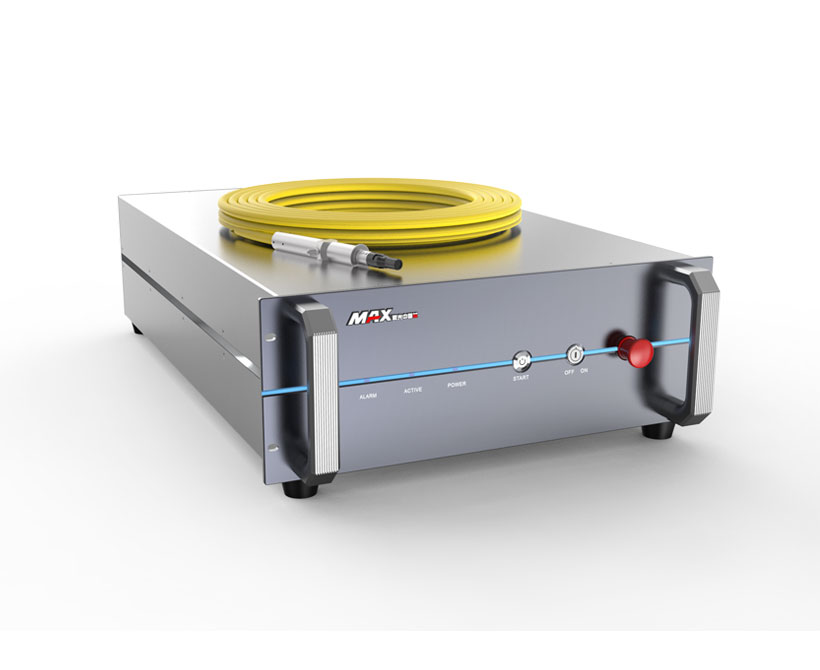
Laser Source and Component Quality
The laser source is one of the most important parts of the machine. Source quality affects stability, efficiency, service life, and overall performance, which is why it has a strong impact on price.
Other components also matter. The quality of the welding head, optics, protective lenses, wiring, control system, and overall machine construction can all affect reliability and long-term cost.
Machine Configuration and Features
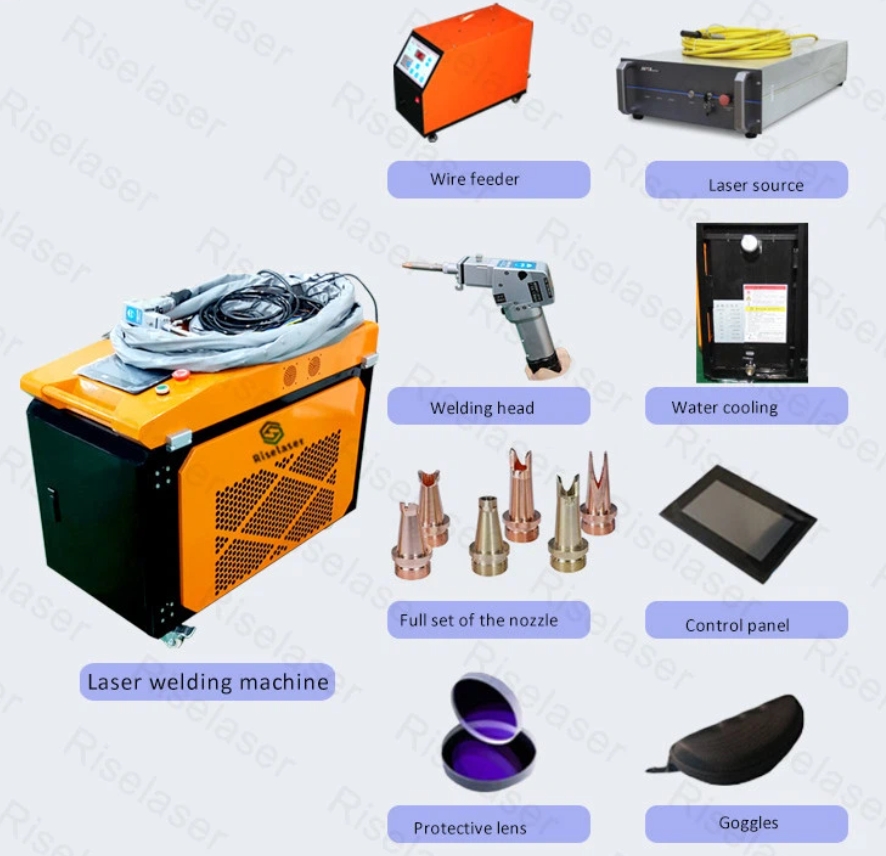
Machine type makes a major difference in price. A handheld laser welder is far less expensive than an automated system with robotics, fixtures, enclosure systems, and integrated safety controls.
Features also increase cost. Common examples include wobble welding heads, wire feeders, multi-function welding/cleaning/cutting setups, more advanced software, and higher-capacity cooling systems.
Supplier Support and Delivery Costs
The quoted price often reflects more than the machine itself. A higher quote may include training, warranty coverage, spare parts support, technical service, and faster response times.
Location also matters. Shipping, import duties, local stock availability, and distributor markup can all affect the final price a buyer pays in different regions.
Is a Used Laser Welder Worth It?
A used laser welder can be a practical option for buyers who want to reduce upfront cost. For small workshops, first-time buyers, or companies with limited capital budgets, used equipment may offer access to laser welding technology at a lower price than a new machine.
However, lower price does not always mean better value. The real question is whether the machine is still reliable, supported, and suitable for your application. A poorly maintained used laser welder can quickly become more expensive if it leads to downtime, repair costs, or parts shortages.
Pros of Buying Used
The main advantage of buying used is lower initial investment. It can be a sensible choice for buyers who do not need the latest features and are comfortable with a more careful evaluation process.
Used machines may also make sense when the goal is to test laser welding in-house before committing to a higher-cost new system.
What to Check Before You Buy
Before buying a used laser welder, check the machine’s service history, operating hours, and overall condition. The laser source, welding head, cooling system, software, and electrical components should all be evaluated carefully.
It is also important to confirm that spare parts, consumables, and technical support are still available. If possible, request a live demonstration and inspect sample weld quality before making a purchase.
Buying from a trusted refurbisher or a supplier that can provide inspection records, testing results, or limited warranty coverage is usually safer than buying an unknown machine with no support.
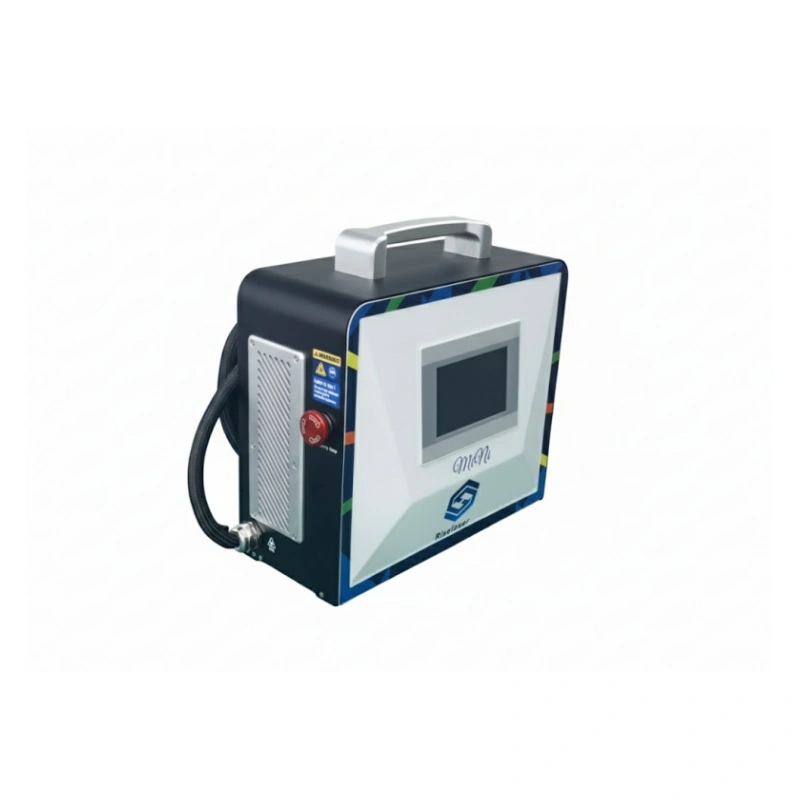
Thinking Beyond the Sticker Price: Total Cost of Ownership (TCO)
The purchase price is only part of the total cost of owning a laser welder. To understand the real investment, buyers should also consider recurring operating expenses, maintenance needs, safety requirements, and training.
For many businesses, these ongoing costs help explain the difference between a low machine price and a good long-term value. Looking at total cost of ownership makes it easier to compare laser welding with other welding methods and to evaluate whether a system fits your budget.
| TCO Component | Description / Examples | Frequency / Nature |
|---|---|---|
| Initial Purchase Price | Laser welding machine, chiller, basic accessories | One-time |
| Consumables | Protective lenses, nozzles, shielding gas | Recurring |
| Electricity | Power consumption of the laser source and cooling system | Recurring |
| Maintenance | Routine inspection, cleaning, chiller upkeep, repairs | Periodic / As needed |
| Safety Equipment | Laser safety glasses, fume extraction, barriers or enclosure measures | Initial / Ongoing |
| Training | Operator training for machine use, settings, and safety procedures | Initial / As needed |
In many cases, laser welding can still deliver strong long-term value despite the higher upfront machine cost. Faster welding speed, lower distortion, and reduced post-processing can help offset part of the ownership cost over time. However, buyers should evaluate both the machine price and the ongoing operating cost before making a decision.
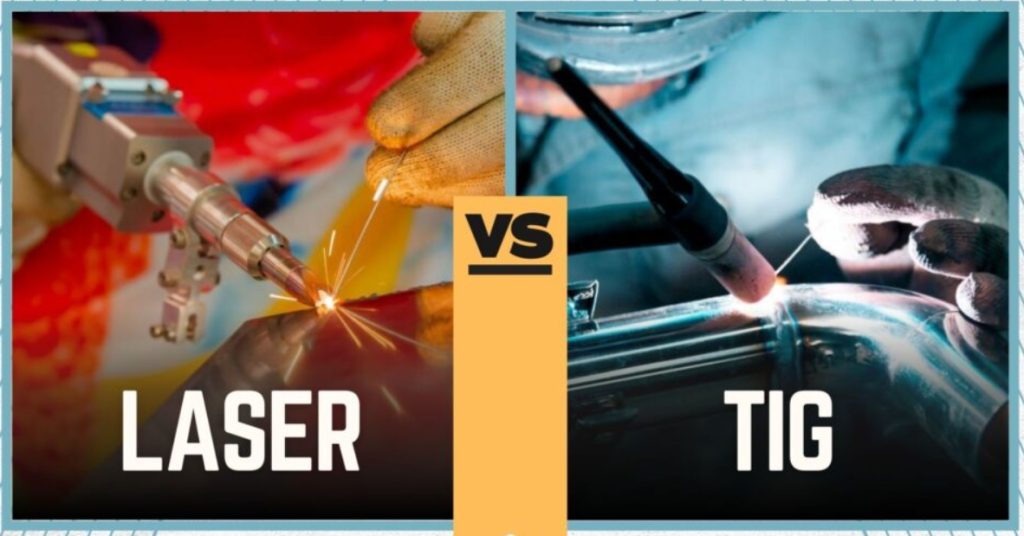
Laser Welding Cost Comparison: Laser vs TIG vs MIG
When buyers compare welding costs, the key question is not just which machine is cheaper to buy. It is also which process saves more time, reduces rework, and delivers better overall value in daily production.
Laser welding usually has a higher upfront equipment cost than TIG or MIG welding. However, it can offer faster welding speed, lower distortion, and less post-processing, which may reduce total production cost over time.
| Feature / Aspect | Laser Welding | TIG Welding | MIG Welding |
|---|---|---|---|
| Initial Equipment Cost | High | Moderate | Low to Moderate |
| Operating Speed | Very Fast | Slow | Moderate to Fast |
| Heat Input / Distortion | Very Low | Low to Moderate | Moderate to High |
| Post-Processing Need | Low | Moderate | Moderate to High |
| Finish Quality | Excellent | Excellent | Good |
| Operator Skill Required | Moderate for basic operation | High | Moderate |
| Best Fit | Fast, clean, low-distortion welding | Precision manual welding | General production welding |
| Primary Consumables | Shielding gas, protective lenses, nozzles | Shielding gas, tungsten electrode, filler rod | Shielding gas, contact tip, wire, nozzle |
How to Compare Laser Welder Quotes Before You Buy
Before buying a laser welder, compare quotes based on your actual application rather than price alone. The best choice is not simply the cheapest machine, but the one that matches your materials, thickness range, production needs, and support requirements.
- Define Your Application Clearly: Identify the metals you weld most often, the typical material thickness, the joint types, and your expected daily workload. This helps you avoid paying for more power or features than you need.
- Compare Like for Like: Do not compare quotes by price alone. Check the power rating, laser source, welding head, cooling system, wire feeder, software, safety features, warranty, and after-sales support.
- Ask What Is Included: Confirm whether the quote includes delivery, installation, operator training, spare parts access, consumables, warranty coverage, and technical support. If possible, request a live demonstration or a sample weld test before making a decision.

Conclusion
Laser welder prices vary widely because different machines are built for different applications. Handheld systems, jewelry laser welders, and automated welding systems all sit in very different price ranges, and the final quote depends on power, component quality, features, and supplier support.
For most buyers, the right decision is not just about finding the lowest price. It is about choosing a machine that fits your materials, thickness range, production needs, and long-term operating cost. By comparing quotes carefully and looking beyond the sticker price, you can make a more informed laser welder investment.
FAQs
Laser welder prices vary widely depending on the machine type, power level, and included features. Handheld laser welders are usually the most affordable category, while jewelry laser welders and automated robotic systems can cost significantly more.
The price range depends on whether you are comparing a handheld system, a precision jewelry welder, or a fully automated production system. Power, laser source quality, cooling design, software, safety features, and supplier support all affect the final quote.
The typical laser welding machine price varies depending on whether you are comparing a handheld system, a precision jewelry welder, or a fully automated production system. Power, laser source quality, cooling design, software, safety features, and supplier support all affect the final quote.
Laser welders can seem expensive because buyers are not just paying for output power. The price also reflects the laser source, welding head, optics, cooling system, software, safety setup, machine build quality, and support package.
Laser welding usually has a higher upfront equipment cost than TIG or MIG welding. However, it can reduce welding time, distortion, and post-processing in many applications, which may improve long-term value.
Before buying a laser welder, compare the machine type, power level, source quality, included features, warranty coverage, technical support, and what is included in the quote. A lower initial price does not always mean lower total cost.