
You want to create the famous “fish scale” weld—a pattern that shows real skill. But using traditional methods makes this look hard to achieve. The results often come out uneven or flawed. This wastes your time and materials. It can stop you from offering the high-quality finish that sets your work apart and earns more money. This guide offers a modern fix. We’ll teach you how to use a handheld laser welder to master the fish scale pattern easily. You’ll learn the right modes, settings, and techniques to make perfect, strong, and beautiful welds. This will boost your craftsmanship and impress your clients.

What is Fish Scale Welding?
Fish scale welding is a special technique known for making very strong welds. It gets its name from the pattern on the weld surface that looks like fish scales. This pattern is both eye-catching and unique. Many industries value this method for its look and strength. It also shows the welder’s skill and craftsmanship. The finished piece not only works well but looks impressive too.
Understanding Your Laser Welder’s Modes
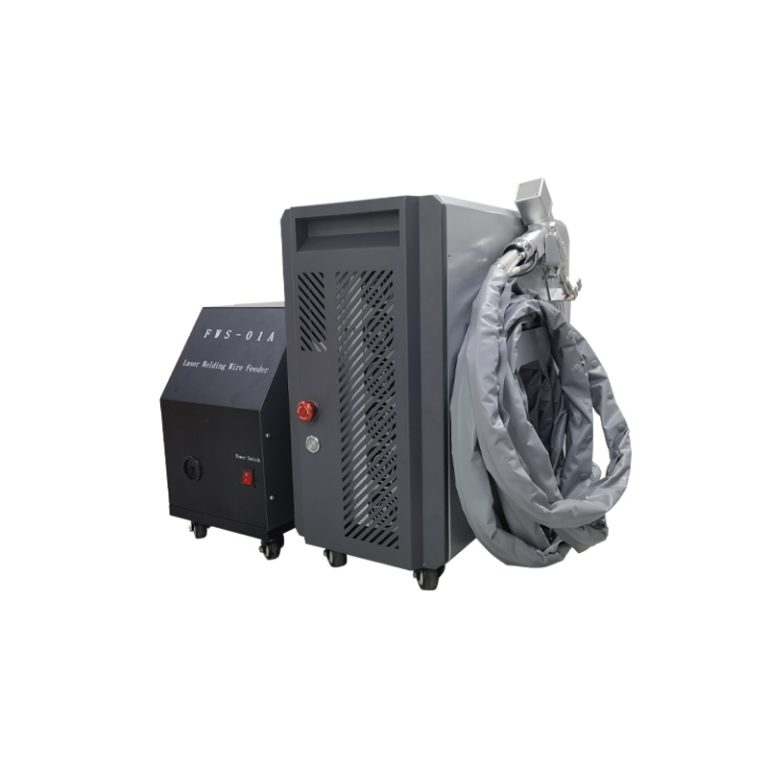
Modern handheld laser welding machines offer advanced technology and precise control. This lets users create detailed fish scale patterns quickly and efficiently. These machines use special welding modes designed for different tasks. Knowing these modes helps you master the fish scale technique.
- Spot Welding Mode: Uses a small, powerful laser spot. It’s great for deep or exact point welds. While mainly for tacking or single spots, careful spot placement can help build detailed patterns with accuracy.
- Linear Welding Mode: Lets you adjust the weld width. It’s good for seam welding and joining parts. This mode provides steady lines that can form edges or bases for patterns.
- “0” Type Welding Mode: Changes the size of the circular weld spot. This helps spread the laser energy evenly. Even energy means the fish scale pattern looks consistent and uniform.
- Double “0” Type Welding Mode: Similar to the “0” type but uses a pattern to lower heat input or reduce laser pulses. This helps control the weld when working at certain angles or spots in the pattern.
- Triangular Welding Mode: Shapes the laser beam like a triangle. It heats the center and sides at the same time. This often needs fewer passes and forms part of the fish scale base pattern.
- Fish Scale Pattern Welding Mode: A special, often pre-set mode. It builds on triangular or moving patterns. The machine automatically controls laser spot placement and overlap. This makes it easier to create the fish scale look over large areas quickly and neatly.
Essential Factors for Perfect Laser Fish Scale Welds
To get a perfect fish scale pattern, you need to control key parts of the laser welding process. One big issue is shielding gas. If it’s not controlled well, oxidation can happen. This shows up as ugly yellow or blue colors on the weld. Oxidation hurts both how the weld looks and how strong it is. Knowing how to manage these factors is very important.
Argon Gas Flow Rate:
This factor is crucial. Argon gas protects the molten weld pool from air, like oxygen and nitrogen. The right flow keeps the weld pool stable and clean. This results in a bright weld without slag or oxidation. A common rule is to set the Argon flow rate (Q) based on the nozzle diameter (D), often using the guideline $Q = (0.8 \text{ to } 1.2) \times D$. For example, if the nozzle is 10 mm wide, the flow might be 8 to 12 liters per minute. Always check your machine’s manual for exact settings.
Nozzle Diameter:
The nozzle diameter affects how well the shielding gas covers the weld. A bigger nozzle covers a wider area. Choosing the right size depends on the joint type, welding position, and the area that needs protection. For handheld laser welding, nozzle size also depends on the laser optics and how easy it is to reach the joint. Make sure the gas covers the weld well. Check your laser welder’s manual for advice.
Distance from Nozzle to Workpiece:
This distance is also very important. If the nozzle is too far, the gas won’t protect the weld well, and oxidation can happen. If it’s too close, it can block your view or cause the nozzle to get dirty or hot. Usually, keeping the nozzle 5 to 14 millimeters from the workpiece works best. This can change depending on the nozzle and gas flow.
Laser Power and Speed Settings:
These settings significantly impact the weld. How strong the laser is and how fast you move it affect the heat, depth, and look of the weld. For fish scale patterns, you need to adjust these settings for the material and thickness. Too much power or moving too slow can burn or warp the metal. Too little power or moving too fast can cause weak welds or uneven patterns. Finding the right balance, sometimes using pulsed laser settings, is key to making clean, even scales.
Why Use a Laser Welder for Fish Scale Patterns?
Using handheld laser welders to create fish scale patterns has many benefits. One big advantage is enhanced control. Welders get precise control over where the weld bead goes and how much heat is used. This is very important for making detailed patterns. These welders also work faster than traditional methods like TIG welding. This speed helps boost productivity and saves time. Modern handheld laser systems are easy to use. They often come with simple controls and pre-set settings. This makes learning faster and helps companies manage their workers better. Handheld laser welders can join many types of metals. They work well with steel, stainless steel, aluminum, and titanium. This makes them very flexible tools. Laser welding is also a clean and eco-friendly process. It usually needs fewer supplies, like filler rods, and creates less spatter and fumes. This leads to a cleaner workspace and less waste.
Troubleshooting: Common Fish Scale Welding Issues
Even experienced welders can face problems when making fish scale patterns. One common issue is weld discoloration, showing as yellow or blue colors. This happens because of oxidation from not enough shielding gas.
- Solution: Check the Argon gas flow rate. Use the formula $Q = (0.8 \text{ to } 1.2) \times D$ to guide you. Make sure the nozzle size is correct and keep the nozzle 5 to 14 millimeters from the workpiece. Also, look for any leaks in the gas line.
Another problem is uneven or inconsistent patterns. The scales might be different sizes or shapes, or they may not overlap properly.
- Solution: Adjust the laser power and speed settings. Keep your hand steady and move at a steady pace. Practice often to build good muscle memory. Also, check if the machine’s “Fish Scale Pattern Mode” needs tuning.
Burn-through or distortion can happen, especially on thin materials. Too much heat can damage the metal.
- Solution: Lower the laser power or move the welding head faster. You can also use pulsed laser settings if your machine has them. Make sure the workpiece is clamped well to reduce distortion.
Applications of Fish Scale Welding
Fish scale welding combines strength and a unique look, making it valuable in many fields. In aerospace, it’s used to make strong, lightweight parts. Visual inspection and weld quality are very important here. The automotive industry applies it to body panels, exhaust systems, and decorative trim. Both strength and appearance matter a lot in these parts. Artists and fabricators use fish scale welding for sculptures, custom furniture, and architectural details. It adds a special touch to their work. In manufacturing and machinery, this welding method helps build machine parts and enclosures. These welds need to be reliable, strong, and easy to check. The combination of durability and beauty makes fish scale welding a top choice across these industries.

5 Tips for Beginners Learning Fish Scale Welding
If you’re new to creating fish scale patterns with a handheld laser welder, these tips can help you get started:
- Start Simple: Begin practicing on scrap pieces of metal with basic, straight patterns before attempting curves or complex joints.
- Practice Consistently: Like any skill, mastery requires practice. Dedicate regular time, even short sessions daily, to hone your technique and build muscle memory.
- Don’t Fear Imperfection: Your first welds likely won’t be perfect. Learning takes time, so be patient and focus on incremental improvement. Analyze what went wrong and try again.
- Experiment with Settings: The ideal laser power, speed, and gas flow settings vary based on material type, thickness, and desired effect. Don’t be afraid to experiment (safely) to understand how adjustments impact the outcome. Keep notes on settings that work well.
- Seek Feedback: If possible, ask more experienced welders to review your work and offer constructive criticism. Observing experts and getting personalized advice can significantly accelerate your learning.
Conclusion: Mastering the Art and Craft of Fish Scale Laser Welding
Mastering fish scale welding takes your work beyond just being functional. It turns it into a real show of skill. Learning your laser welder’s settings and controlling things like gas flow and power are key steps. These help you make strong and beautiful welds. The last step is using equipment that matches the precision this technique needs. If you want to raise your work to the next level, reach out to the experts at Riselaser. They can help you find the perfect handheld laser welder for your needs.