
Welding regular steel, often called carbon steel, to stainless steel is a common question for fabricators and engineers. Yes, it can be done. Many industries need to join these two different metals. But it takes special knowledge and the right techniques to do it well. Each metal has its own unique properties. This guide will explain the challenges and methods for welding them together. It also shares best practices to help you succeed.
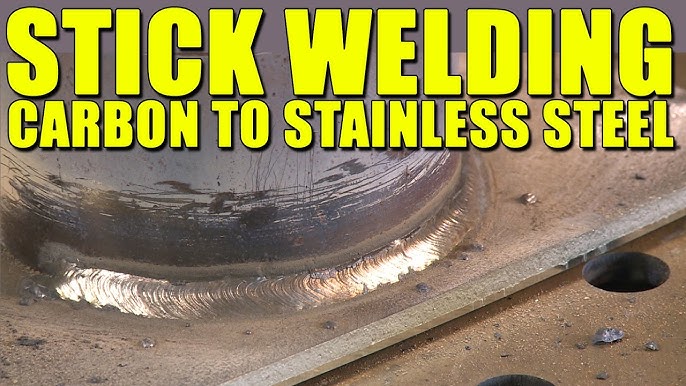
The Straight Answer: Yes, But It’s Not Always Simple
Welding regular steel to stainless steel is definitely possible. Many industries use this method. It shows up in lots of places, from big machines to everyday products. For example, stainless steel parts might be attached to carbon steel frames, or stainless steel pipes joined to carbon steel tanks.
Engineers and fabricators pick this mix for good reasons. Saving money is a big one. They use stainless steel only where its special features, like resisting rust, really matter. Carbon steel is cheaper and strong, so it supports the structure well. This way, the final product gets the best of both worlds. A chemical tank, for instance, might have a stainless steel inside to fight corrosion and a carbon steel outside to keep costs down.
But joining these metals isn’t always easy. They have very different metal properties. Their rates of expanding when heated don’t match. This can cause cracks during or after welding. If the weld isn’t done right, the stainless steel might corrode. Also, brittle compounds can form and weaken the joint. These problems mean welders must be careful with their methods and materials.
Understanding the Science: Why Welding These Steels is Tricky
The difficulty in welding carbon steel to stainless steel stems from their distinct metallurgical characteristics. These differences influence their behavior during the welding thermal cycle.
Metallurgical Mismatches: The Root of the Challenge
- Thermal Properties: Austenitic stainless steels like 304 and 316 expand and shrink about 50% more than carbon steels when heated. This difference causes internal stresses that can lead to warping or cracking. Carbon steel also carries heat away faster than stainless steel, which holds heat longer. This changes how the weld pool forms and affects the size of the heat-affected zone (HAZ).
- Crystal Structure & Chemistry: Carbon steel usually has a Body-Centered Cubic (BCC) crystal structure. Stainless steel, on the other hand, has a Face-Centered Cubic (FCC) structure. Their chemical makeup is quite different too. Carbon steel has more carbon, which can move into the stainless steel weld and react with chromium. Stainless steel depends on its chromium (at least 10.5%) to create a thin protective layer that stops rust.
Common Problems to Anticipate
- Cracking (Hot and Cold): Hot cracking can occur during weld solidification due to impurities and thermal stresses. Cold cracking may happen after cooling, linked to brittle microstructures like martensite, hydrogen, and residual stress.
- Brittle Intermetallic Compounds: Martensite, a hard and brittle phase, can form at the fusion line or in diluted weld metal, especially with high carbon from the regular steel and rapid cooling. This reduces toughness and increases crack susceptibility.
- Chromium Carbide Precipitation (Sensitization): If austenitic stainless steel is held within a critical temperature range (approximately 450°C to 850°C or 850°F to 1550°F), carbon can combine with chromium to form chromium carbides. This depletes chromium available for corrosion protection, leading to intergranular corrosion. This is a significant concern for the stainless steel HAZ.
- Dilution Effects: The molten base metals mix with the filler metal. Excessive dilution of the filler by carbon steel can reduce the weld metal’s chromium and nickel content, compromising its intended properties. Filler metals like AWS A5.4 E309 are “over-alloyed” to compensate for this.
Choosing Your Method: Common Welding Processes
Selecting an appropriate welding process is crucial. Several arc welding methods can join carbon steel to stainless steel, each with specific considerations.
| Feature | SMAW (Stick) | GMAW (MIG) | GTAW (TIG) |
| Speed | Slow | Fast | Very Slow |
| Quality & Finish | Good | Very Good | Excellent |
| Ease of Use | Moderate Skill | Easiest to Learn | High Skill Required |
| Cost (Consumable/Labor) | Low (Electrode) | Moderate (Wire/Gas) | High (Slow Labor) |
| Best For… | Field repairs, thick material | Production, general fabrication | Critical joints, thin material, visual appeal |
Shielded Metal Arc Welding (SMAW / “Stick”)
SMAW is versatile and portable, suitable for field repairs.
- Advantages: Works in various conditions; flux provides shielding. Electrodes like E309 are designed for dissimilar metals.
- Limitations: Slower process; requires skilled operators; slag removal is necessary. Correct electrode selection (e.g., E309, E309L for low carbon, E312 for higher strength/crack resistance) is paramoun
Gas Metal Arc Welding (GMAW / MIG)
For fabricators wondering if they can use their standard MIG welder to join regular steel to stainless steel, the answer is a definitive yes—and GMAW is the process for it. This method uses a continuous wire electrode and shielding gas, making it one of the most productive and popular ways to tackle this task.
Advantages: Faster welding speeds compared to Stick or TIG; good, clean weld quality with no slag to remove.
Considerations: Your equipment and consumable choices are critical. Use a filler wire designed for dissimilar metals, such as ER309LSi, for its arc stability and proper chemistry. Match this with the right shielding gas, typically an argon-based mixture with a small amount of O2 or CO2 (like 98% Ar / 2% CO2) to ensure a stable arc and good weld profile. For superior heat control, especially on thinner materials, using a welder with a Pulsed GMAW function is highly recommended.
Gas Tungsten Arc Welding (GTAW / TIG)
GTAW uses a non-consumable tungsten electrode and a separate filler rod, producing high-quality welds.
- Advantages: Excellent control, precision, and cleanliness; ideal for critical joints and thin materials. No spatter or slag.
- Considerations: Slower process requiring high operator skill. ER309 or ER309L filler rods are typical. 100% Argon shielding gas is commonly used. GTAW allows meticulous control over dilution.
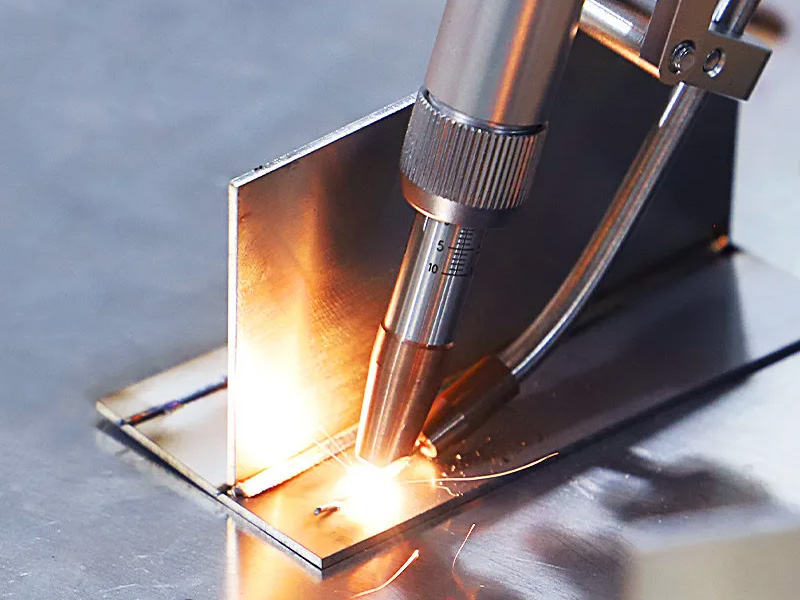
The Key to Success: Filler Metals and Consumables
The right filler metal is one of the most important parts of welding carbon steel to stainless steel. It acts like a chemical bridge between the two metals and helps fix dilution problems.
Why Filler Choice is Crucial
Special fillers make weld metal that works well with both base metals. This stops brittle and weak areas from forming. Fillers used for joining different metals are “over-alloyed,” meaning they have extra chromium and nickel. This keeps the weld strong and corrosion-resistant even after mixing with carbon steel. The Welding Research Council (WRC) has studied and supports these special filler formulas.
Recommended Filler Metals: A Tiered Approach
- Choosing the right filler is the single most important decision you’ll make. Here’s how to select the right one based on your application’s demands.
- 309L (e.g., E309L, ER309LSi): The low-carbon variant (≤0.03% C), such as E309L or ER309LSi, is the preferred choice in most modern applications. This “L” grade is vital for preventing chromium carbide precipitation (sensitization) at the weld interface, which protects the joint from intergranular corrosion. This is especially important when welding to “L” grade stainless steels or when post-weld heat treatment cannot be avoided.
- 309MoL: Includes molybdenum for joining Mo-bearing stainless steels (e.g., Type 316L) to carbon steel, enhancing corrosion resistance.
- The Standard Choice (Good): Type 309L This is your go-to for over 90% of standard applications joining carbon steel to 304L or 316L stainless steel. The low-carbon (
L) designation is critical for preventing corrosion issues. Use this unless you have a specific reason not to. - The Problem Solver (Better): Type 312 This filler creates a very high-ferrite weld that is exceptionally resistant to cracking. Choose Type 312 when:
- The carbon steel has unknown or poor weldability.
- The joint is under high restraint and prone to cracking.
- You are welding tool steels or other “difficult” steels to stainless.
- The Ultimate Performance (Best): Nickel-Based Fillers Fillers like
ERNiCr-3are the premium choice. While more expensive, they offer superior ductility and strength, especially in extreme conditions. Choose a Nickel-based filler when:
Understanding Schaeffler or WRC Diagrams
These charts predict the ferrite content and structure of stainless steel welds based on their chemical makeup. They help engineers pick the right filler, like Type 309. The goal is to get a weld with about 5-15% ferrite, which is best for stopping cracks.
Best Practices for a Strong and Durable Weld (Across Processes)
Meticulous preparation, precise welding control, and careful heat management are vital for quality welds between carbon and stainless steel.
Joint Design and Preparation
- Proper Cleaning: This is non-negotiable. Remove all mill scale, rust, paint, oil, and moisture from both steel surfaces. Use dedicated stainless steel wire brushes for stainless steel to prevent iron contamination. Solvents like acetone can clean stainless surfaces.
- Bevelling and Fit-Up: Bevel edges for materials thicker than ~3mm (1/8 inch) for complete penetration. Ensure correct alignment and consistent root gaps. Use appropriate dissimilar metal filler for tack welds.
Welding Parameters and Technique
Heat Input Control: Minimize heat input to reduce distortion, limit the stainless steel HAZ size (preventing sensitization), and avoid excessive dilution. Aim for the lowest heat input providing good fusion. Stringer beads are often preferred over wide weaves. Interpass temperature for austenitic stainless steels should generally be kept below 150-175°C (300-350°F).
- Travel Speed and Bead Placement: Maintain consistent travel speed. Ensure good fusion with sidewalls and previous beads.
Pre-heating and Post-Weld Heat Treatment (PWHT)
- Pre-heating (Carbon Steel Side): Beneficial for thicker carbon steel sections (e.g., >20mm or ¾ inch) or higher carbon grades to slow cooling and reduce cracking risk. Typical pre-heat: 50°C to 200°C (120°F to 400°F). Avoid excessive pre-heating of austenitic stainless steel.
- Post-Weld Heat Treatment (PWHT): Generally Avoided. Standard post-weld heat treatment (PWHT) temperatures for carbon steels are between 595°C and 650°C (1100°F to 1200°F). These temperatures fall right in the sensitization range for austenitic stainless steels. This can seriously harm their ability to resist corrosion. If the code requires PWHT for the carbon steel, getting expert metallurgical advice is very important. Sometimes special filler metals or stabilized stainless steel grades are needed. These often come with adjusted or limited PWHT cycles to protect the stainless steel.
Laser Welding and Other Advanced Solutions for Dissimilar Steels
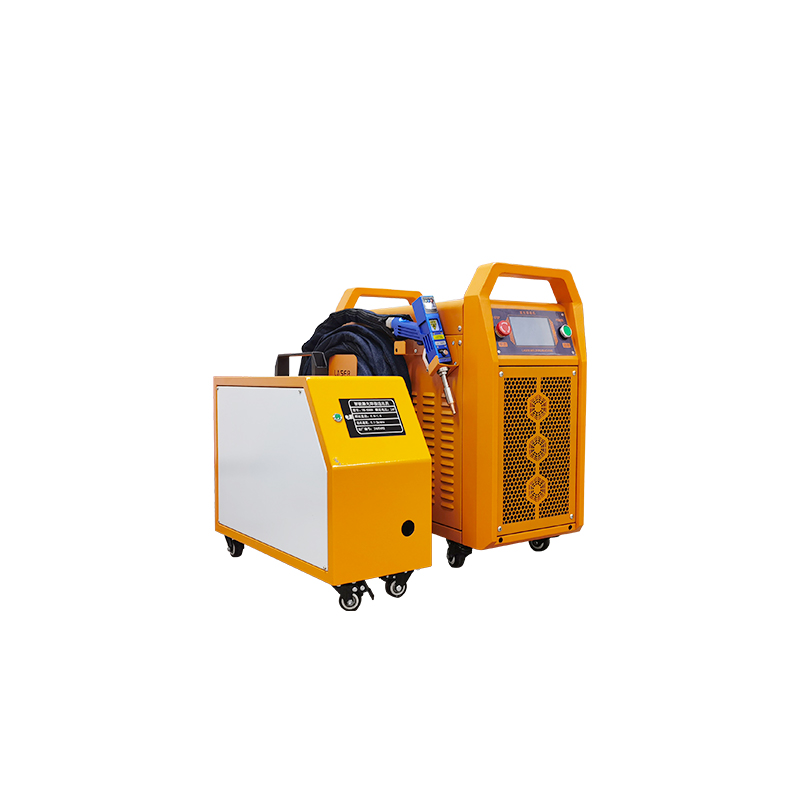
Advanced techniques, especially laser welding, offer precise solutions for joining dissimilar steels, addressing many traditional challenges.
The Laser Welding Advantage
- Process: A focused laser beam melts and fuses materials. Key benefits for steel-to-stainless include:
- Low, Controlled Heat Input: Laser welding’s primary advantage is its highly focused energy beam, which minimizes the total heat transferred to the material. This drastically reduces the size of the heat-affected zone (HAZ). As documented in leading publications like the Journal of Materials Processing Technology, comparative studies show a properly tuned laser process can reduce the HAZ by up to 80% compared to conventional TIG welding. This precision virtually eliminates the risk of sensitization in the stainless steel and results in minimal distortion, which is critical for high-tolerance parts.
- Reduced Intermetallic Formation: Rapid heating/cooling can suppress brittle phase formation.
- High Speed & Deep Penetration: Improves productivity and can achieve narrow welds.
- Parameter Optimization: Critical parameters include laser power, welding speed, focal position, and shielding gas (e.g., Argon, Nitrogen). Pulse shaping offers further control. Filler wire (e.g., ER309L) can be used to manage weld chemistry.
Hybrid Laser-Arc Welding (HLAW) HLAW combines laser welding with an arc process (like GMAW). The laser provides deep penetration, while the arc improves gap bridging and filler metal addition. This synergy offers high speeds and robust weld chemistry control, beneficial for thicker steel-to-stainless joints.
Other Specialized Techniques
- Buttering/Cladding: A compatible layer (e.g., Type 309 or nickel-based alloy) is welded onto the carbon steel surface. This “buttered” layer then simplifies subsequent welding to the stainless steel component.
- Electron Beam Welding (EBW): Offers deep, narrow welds with low heat input in a vacuum. Used for high-precision applications.
- Friction Stir Welding (FSW): A solid-state process avoiding melting-related defects. Its application for steel-to-stainless is less common due to tool challenges but is an area of ongoing research.
Real-World Applications, Weld Quality, and Future Outlook
The ability to weld carbon steel to stainless steel is leveraged across diverse industries. Ensuring weld integrity involves rigorous assessment.
Common Applications
- Automotive: Exhaust systems (stainless mufflers to carbon steel pipes).
- Process Industries: Piping transitions, vessels with stainless liners (e.g., chemical tanks, food processing equipment), heat exchangers.
- Architectural/Structural: Stainless facades on carbon steel frames, railings.
- Power Generation (including Nuclear): Boiler components, nuclear reactor safe-ends where stainless piping meets low-alloy steel nozzles (often using nickel-based fillers due to stringent demands).
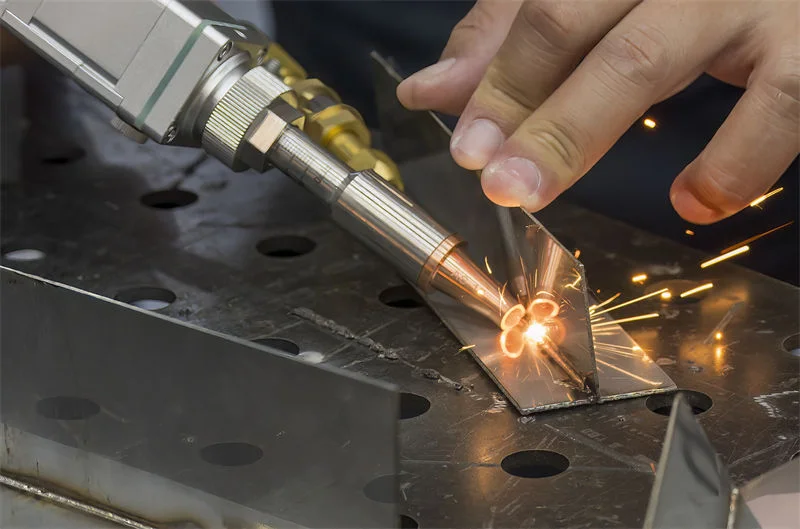
Assessing Weld Quality
- Visual Inspection (VT): Checks for correct profile, surface defects (cracks, porosity, undercut).
- Non-Destructive Testing (NDT):
- Liquid Penetrant Testing (PT): Detects surface-breaking defects on non-porous materials.
- Magnetic Particle Testing (MT): For surface/near-surface defects in ferromagnetic carbon steel; not for austenitic stainless.
- Ultrasonic Testing (UT): Detects internal defects.
- Radiographic Testing (RT): Images internal weld structure.
Potential Long-Term Issues
- Galvanic Corrosion: Carbon steel (more active) can corrode preferentially when coupled with stainless steel in an electrolyte. Proper filler selection (e.g., 309 is relatively noble) is important.
- Fatigue Performance: Different mechanical/thermal properties can influence fatigue life.
- Stress Corrosion Cracking (SCC): Austenitic stainless steel HAZ can be susceptible if sensitized in specific corrosive environments under tensile stress.
Future Trends
- Advancements in Laser/Hybrid Processes: Continued development for better control and efficiency.
- New Filler Materials: Research for improved crack resistance and performance.
- Improved Modelling/Simulation: Better prediction of weld properties and performance.
- Additive Manufacturing (AM): Creating functionally graded transitions between materials.
Conclusion: Joining Forces for Optimal Performance
As we’ve seen, welding regular steel to stainless steel is a well-established practice that, when done correctly, delivers cost-effective and high-performance results. Success hinges on understanding the metallurgical challenges, meticulously controlling heat input, and, most importantly, selecting the right filler metal for the job—from the standard Type 309L to specialized nickel alloys.
While traditional methods are effective, advanced processes like laser welding offer unparalleled precision and quality for the most demanding applications. If your project requires minimal distortion, a flawless finish, and absolute reliability, these modern solutions are the clear choice.
Facing a challenging dissimilar metal application? Contact the experts at Riselaser today to discuss how our advanced laser welding solutions can ensure your project’s success.
FAQs
A: Yes, you can successfully weld regular (carbon) steel to stainless steel using appropriate filler metals, techniques, and careful preparation.
A: The primary challenge is managing their different metallurgical properties (like thermal expansion and chemistry) to prevent cracking and ensure weld integrity.
A: Type 309 (or its low-carbon version, 309L) is the most common and recommended filler metal for joining these dissimilar steels.
A: Yes, it requires specific considerations like meticulous cleaning, precise heat input control, and the correct choice of filler material to achieve a sound weld.