
Surface treatment is a critical process across countless industries, from manufacturing to restoration. Traditionally, methods like sandblasting and chemical stripping have dominated, but they often come with significant drawbacks, including environmental hazards, substrate damage, and high operating costs. Enter laser cleaning, a revolutionary technology transforming how we approach surface preparation. This guide delves into the world of laser cleaning machines, focusing specifically on their highly effective application for rust removal and paint removal, providing insights current as of April 2025.
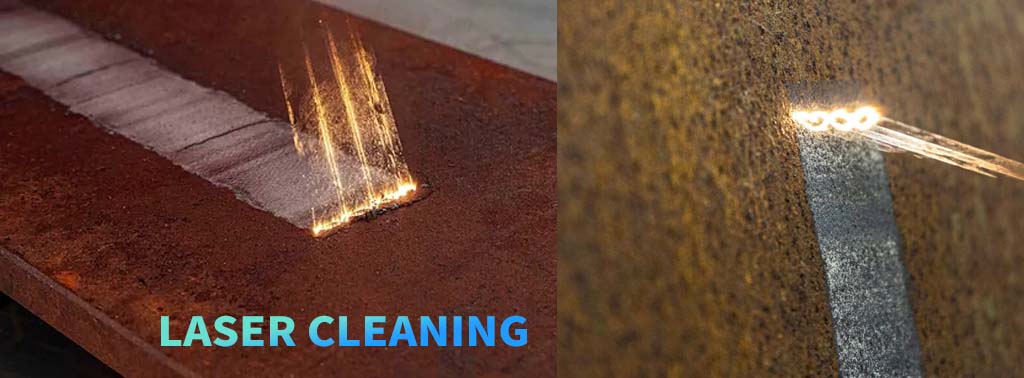
Introduction: What is Laser Cleaning and Why is it Transforming Surface Treatment?
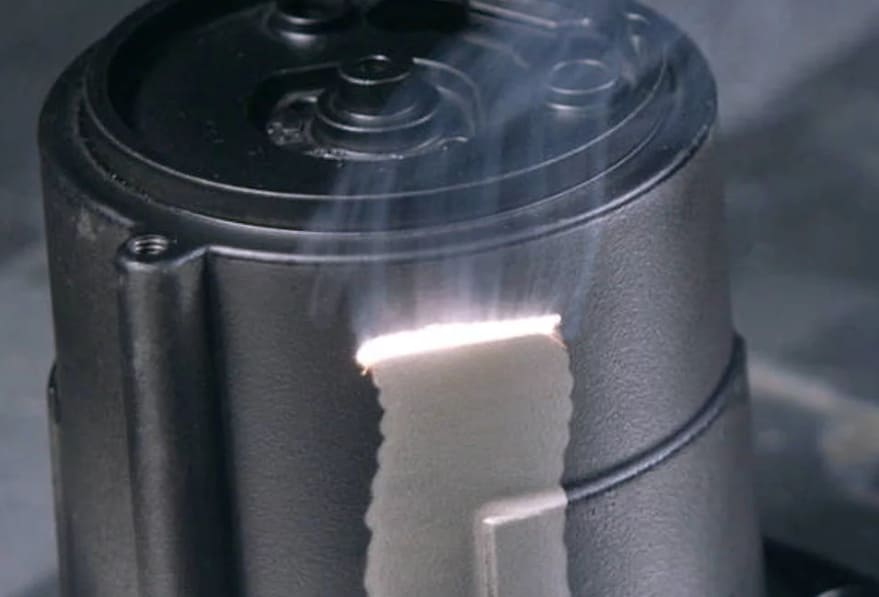
Laser cleaning is an advanced, non-contact surface treatment method that utilizes highly focused laser beams to remove contaminants like rust, paint, oxides, oils, and other residues from various materials. The process relies on laser ablation, where the laser energy is precisely targeted at the unwanted layer, causing it to vaporize or eject without damaging the underlying substrate.
This technology represents a paradigm shift due to its unique combination of precision, environmental sustainability, and operational efficiency. As industries face stricter regulations and demand higher quality finishes, laser cleaning offers a compelling alternative to older, harsher methods. Whether restoring a classic car, preparing aerospace components, or preserving priceless artifacts, laser cleaning provides a clean, controlled, and often faster solution for rust removal and paint removal. This article serves as your comprehensive guide to understanding this powerful technology.
How Laser Cleaning Works: The Science Behind the Beam
The core principle behind laser cleaning is laser ablation. This process involves delivering short, high-intensity pulses of laser light onto the contaminated surface. Here’s a simplified breakdown:
- Absorption: The targeted contaminant (rust, paint, oil) absorbs the laser energy.
- Rapid Heating: This absorption causes extremely rapid heating of the contaminant layer.
- Vaporization/Expansion: The intense heat causes the material to either vaporize instantly or undergo rapid thermal expansion, creating a shockwave that dislodges it from the surface.
- Removal: The vaporized or dislodged material forms a small plume, which is typically captured by an integrated fume extraction system.
Crucially, the laser parameters (like wavelength, pulse duration, and power) are carefully chosen so that the energy is readily absorbed by the contaminant but reflected by or below the ablation threshold of the underlying substrate. This selective interaction ensures that only the unwanted layer is removed, leaving the base material intact and undamaged – a key advantage over abrasive techniques.
Pulsed vs. Continuous Wave (CW) Lasers: Which is Best for Rust and Paint?
Most modern industrial laser cleaning systems utilize fiber lasers due to their reliability, efficiency, and beam quality. Within fiber lasers, there are two main operating modes:
- Pulsed Lasers: These lasers (often nanosecond-pulsed) deliver energy in extremely short, high-peak-power bursts. This “zaps” the contaminant layer effectively with minimal heat transfer to the substrate. Pulsed laser cleaning is generally preferred for delicate tasks like rust and paint removal because it offers high precision and minimizes the risk of thermal damage or melting the base material. Studies show pulsed lasers clean more efficiently per unit of average power and leave a cleaner, smoother finish compared to CW lasers on many metals.
- Continuous Wave (CW) Lasers: These lasers emit a constant, steady beam of light. They remove material through continuous heating. While CW laser cleaning can be effective for thick coatings or large-scale decontamination, it tends to induce more heat into the substrate, potentially causing discoloration or slight melting if not carefully controlled. They are sometimes used for heavy-duty cleaning on robust materials where minimal thermal impact isn’t the primary concern.
For most typical rust and paint stripping applications requiring precision and substrate integrity, pulsed fiber lasers are the dominant choice.
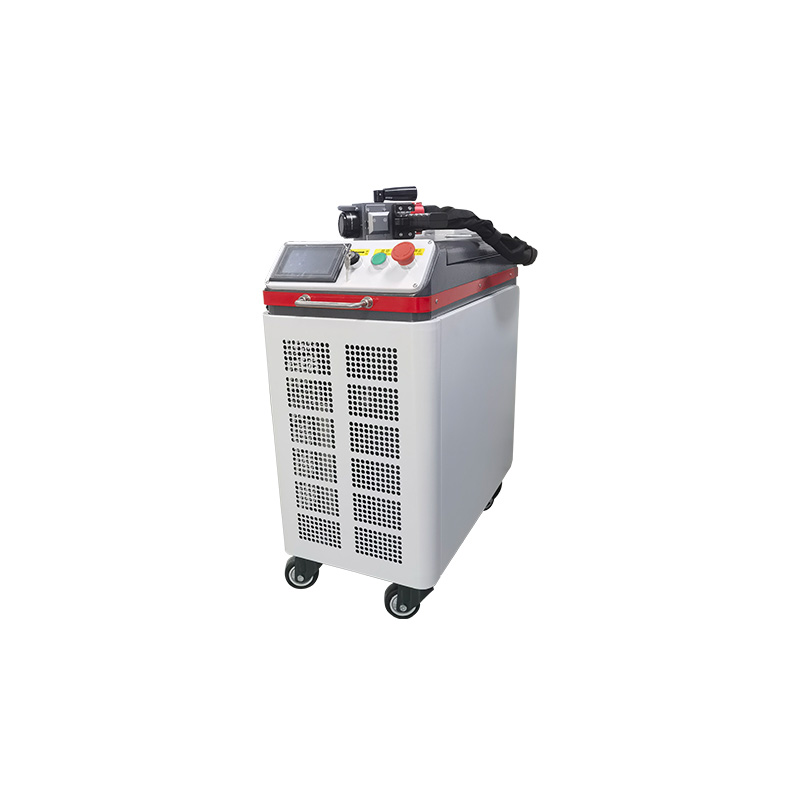
Key Equipment Specifications: Power, Wavelength, and Delivery
Laser cleaning machines vary significantly based on application needs:
- Power: Systems range from low-power (e.g., 50W-100W) units suitable for delicate restoration or small spot cleaning, up to high-power industrial systems (500W, 1000W, 1500W, and even higher) designed for rapid removal over larger areas.
- Wavelength: The laser’s wavelength (typically near-infrared for fiber lasers, ~1064 nm) is chosen for optimal absorption by common contaminants on metal substrates.
- Delivery System: Lasers can be integrated into various forms:
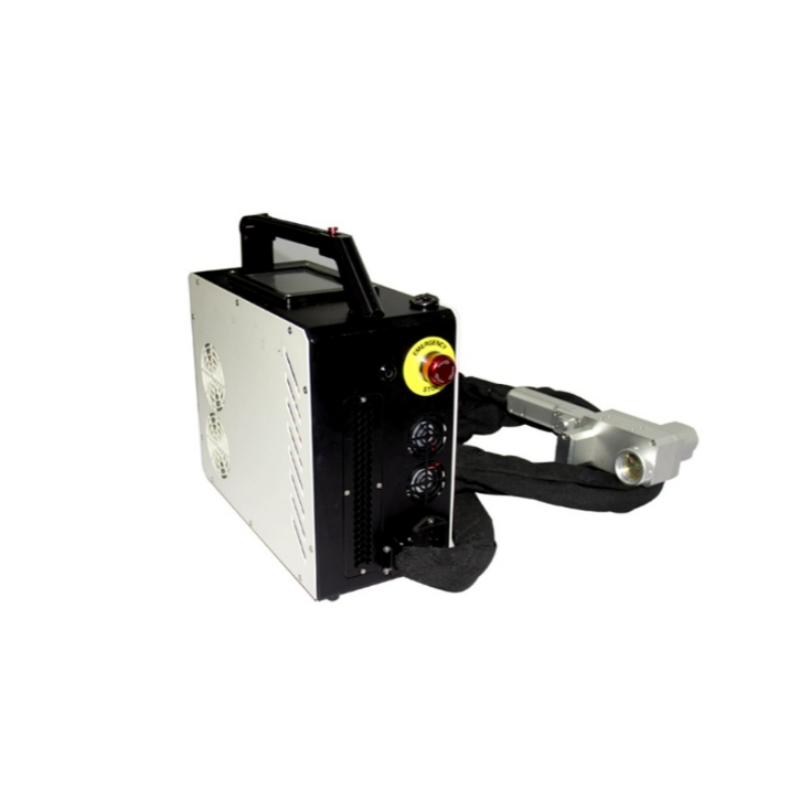
- Handheld Laser Cleaners: Offer flexibility and portability for manual operation on complex shapes or field repairs.
- Robotic Laser Cleaning: Integrated with robotic arms for automated, repeatable cleaning in production lines.
- Stationary Systems: Enclosed workstations for cleaning smaller parts safely.
- Cooling: Systems use either air or water cooling, depending on the laser power and duty cycle requirements.
Top 7 Benefits of Using Laser Cleaning Machines
Laser cleaning offers numerous advantages over traditional methods, making it an increasingly popular choice:
- Non-Damaging Precision: It cleans selectively without mechanical abrasion, grinding, or etching, preserving the integrity and dimensions of the base material. Ideal for delicate surfaces or components with tight tolerances.
- Highly Selective & Controlled Cleaning: The laser beam can be precisely controlled to clean specific areas, even complex geometries, without masking. Depth of cleaning can also be finely tuned.
- Eco-Friendly Operation: It eliminates the need for hazardous chemicals, abrasive media (like sand or grit), and large amounts of water. This drastically reduces toxic waste generation (by over 90% in some cases like aircraft paint stripping) and helps meet stringent environmental regulations (e.g., REACH, OSHA).
- Enhanced Workplace Safety: Eliminates risks associated with chemical handling (fumes, skin contact) and abrasive blasting (dust inhalation like silicosis, high noise levels). Laser safety protocols (eyewear, enclosures) are required but create a much cleaner and quieter work environment when implemented correctly.
- Lower Operating Costs: While the initial investment is higher, laser cleaning significantly reduces ongoing costs by eliminating the need for consumables (media, chemicals, solvents, disposal fees). Reduced downtime for cleanup and material replenishment also contributes to long-term savings.
- Increased Productivity: Laser cleaning can often be faster than manual methods like sanding or scraping, especially when automated. It eliminates secondary cleaning steps (like washing off chemical residues or sweeping up grit), reducing overall cycle times. Automation enables 24/7 operation.
- Comparable Throughput for Many Applications: Modern high-power laser systems can achieve cleaning rates competitive with traditional methods for many industrial tasks, especially when factoring in the total process time including setup and cleanup.
Laser Cleaning vs. Traditional Methods: A Head-to-Head Comparison
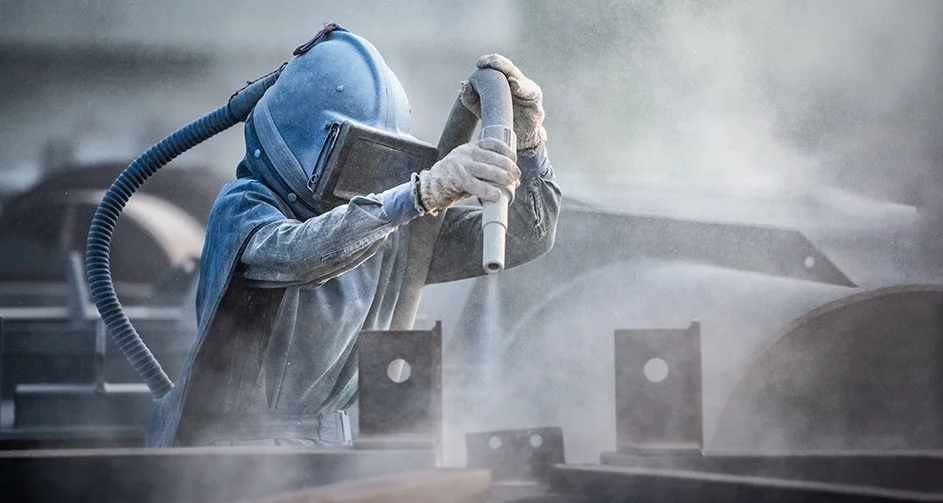
How does laser cleaning stack up against the established methods?
Laser Cleaning vs. Sandblasting / Abrasive Blasting
- Damage: Laser cleaning is non-contact and non-abrasive, preserving the substrate. Sandblasting erodes the surface, potentially altering dimensions and roughening the finish.
- Precision: Lasers offer pinpoint accuracy. Blasting is indiscriminate and requires extensive masking for selective cleaning.
- Waste: Lasers produce minimal dust captured by extraction. Blasting generates large volumes of contaminated media requiring disposal.
- Safety: Lasers require radiation safety but eliminate dust/silicosis risks and high noise. Blasting requires extensive PPE for respiratory, auditory, and impact protection.
- Consumables: Lasers use electricity only. Blasting constantly consumes abrasive media.
Laser Cleaning vs. Chemical Stripping
- Waste: Lasers produce minimal dry dust. Chemical stripping generates hazardous liquid waste (solvents, acids, sludge) requiring specialized disposal.
- Safety: Lasers eliminate chemical exposure risks (fumes, skin contact). Chemical processes involve handling toxic and corrosive substances.
- Environment: Lasers are inherently greener. Chemical strippers often contain volatile organic compounds (VOCs) and other regulated substances.
- Process: Laser cleaning is often a single-step process. Chemical stripping involves application, dwell time (can be hours), scraping, rinsing, and neutralization – often multiple steps.
- Substrate: Lasers are generally non-damaging. Certain chemicals can etch or cause hydrogen embrittlement in metals if not properly controlled.
Comparison Table: Key Differences at a Glance
| Feature | Laser Cleaning | Sandblasting / Abrasive Blasting | Chemical Stripping |
|---|---|---|---|
| Initial Cost | High | Low to Moderate | Low |
| Operating Cost | Very Low (Electricity) | Moderate (Media, Energy, Nozzles) | Moderate to High (Chemicals, Disposal) |
| Substrate Damage | Minimal / None (if tuned correctly) | Moderate to High (Erosion, Roughening) | Possible (Etching, Embrittlement) |
| Precision | Very High | Low | Low (unless masked) |
| Waste Generation | Minimal (Filtered Dust) | High (Spent Media + Contaminant) | High (Hazardous Liquid/Sludge) |
| Safety Hazard | Laser Radiation (Mitigated by PPE/Enclosure) | Dust (Silicosis), Noise, Impact | Chemical Exposure (Fumes, Skin) |
| Environment | Eco-Friendly | High Particulate Emissions | Hazardous Waste, VOCs |
| Consumables | None (besides electricity) | Abrasive Media | Chemicals, Solvents, Neutralizers |
| Speed/Scalability | Moderate to High (Power Dependent) | High (Broad Areas) | Variable (Dwell Time Dependent) |
| Automation | Easily Automated | Possible but often Messy | Possible (Dip Tanks) |
Industries and Applications: Where Laser Cleaning Excels
The versatility of laser cleaning has led to its adoption across diverse sectors:
- Automotive Manufacturing & Restoration: Removing rust from chassis/parts, stripping paint for restoration, cleaning weld seams pre-coating, cleaning tire molds and engine components. Toyota reported 30% pre-treatment cost reduction using robotic cleaners.
- Aerospace & Defense: Precise paint removal from aircraft skins (like Boeing’s initiatives reducing waste by 90%), de-coating turbine blades, cleaning engine parts without damaging sensitive alloys. Lockheed Martin reduced rework rates by 25%.
- Energy & Infrastructure: Cleaning rust and coatings from pipelines, refinery equipment, power plant components (including nuclear), preparing bridge steel for repainting.
- Manufacturing & Precision Engineering: Cleaning injection molds, degreasing precision parts, removing oxides from electronic components (PCBs, connectors), preparing surfaces for bonding or welding.
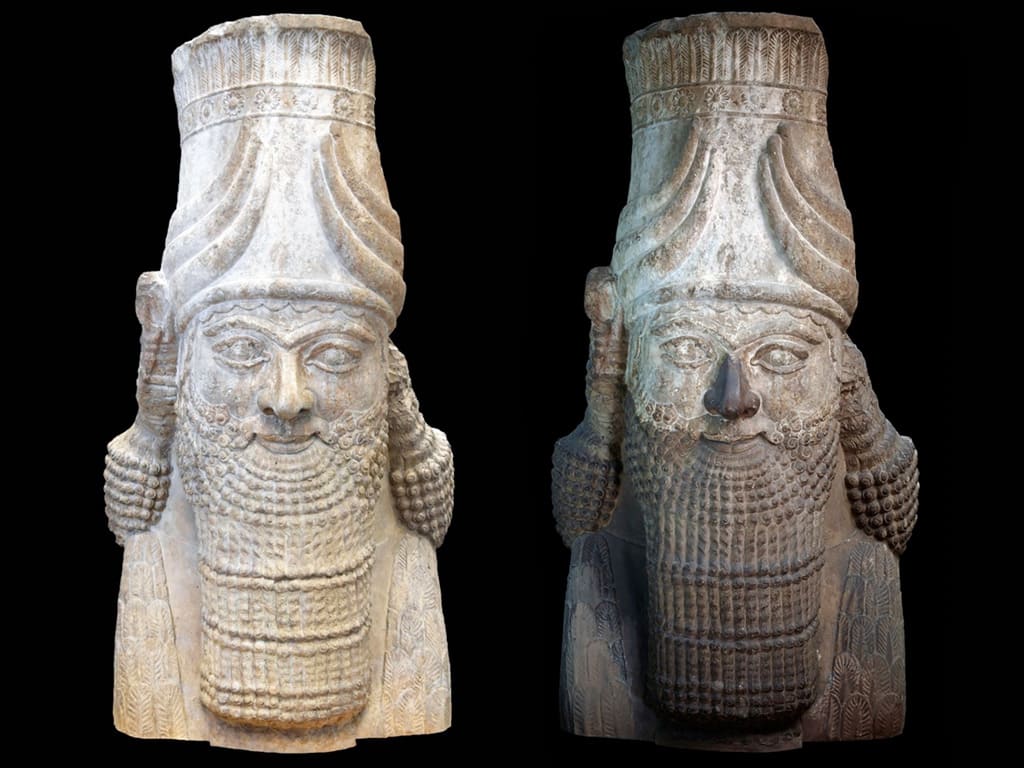
- Cultural Heritage & Art Restoration: Gently removing centuries of grime, pollution, or oxidation from stone statues, historical metalwork, buildings, and artifacts without altering the original surface. The Vatican Museums use 100W units on bronzes.
- Maritime and Heavy Industry: Removing rust and paint from ship hulls and components, cleaning large machinery.
The Laser Cleaning Market: Trends and Key Players (2025 Outlook)
The global market for laser cleaning technology is experiencing robust growth. As of early 2025:
- Market Size: Estimated around USD 760 million globally for 2025.
- Growth Projections: Forecasts predict continued growth at a Compound Annual Growth Rate (CAGR) of approximately 5-6.36%, potentially exceeding USD 1.15 billion by 2032.
- Key Players: Leading manufacturers include companies like TRUMPF, Laser Photonics, Laserax, IPG Photonics, Adapt Laser Systems (distributing CleanLASER), Coherent, and prominent Asian suppliers like Jinan XT Laser and Han’s Laser.
- Regional Trends: The Asia-Pacific region, particularly China, leads in market share and growth due to rapid industrialization. North America and Europe are strong markets driven by aerospace, automotive sectors, and stringent environmental regulations favouring cleaner technologies.
- Innovations Driving Growth: Key advancements include:
- Higher power fiber lasers (1kW, 2kW, and beyond) enabling faster cleaning rates.
- Integration with robotics and AI for automated, intelligent cleaning.
- More compact, portable, and even handheld systems for increased flexibility.
- Improved software for easier operation and process optimization.
Choosing the Right Laser Cleaning Machine: Buyer’s Guide
Selecting the appropriate laser cleaning system requires careful consideration:
- Assess Your Needs: Define the primary application (rust, paint, oil?), the substrate material, the size and complexity of the parts, and the required throughput.
- Understand Costs & ROI: Initial investment is significant (ranging from ~$3,000 for low-power handhelds to $70,000+ for high-power industrial systems). Calculate long-term Return on Investment (ROI) considering savings on consumables, labor, waste disposal, and potential quality improvements. Payback periods in high-volume settings can be 12-18 months.
- System Type: Choose between flexible handheld systems for varied tasks or automated/robotic systems for high-volume production and consistency.
- Power Requirements: Match the laser power to the type and thickness of the contaminant and the desired cleaning speed. Higher power generally means faster removal but also higher cost and potentially more heat input.
- Safety First: Factor in the need for laser safety enclosures (Class 1) or designated safe work areas (Class 4) with appropriate Personal Protective Equipment (PPE) like laser safety goggles. Ensure operators receive proper training. Fume extraction is essential to capture airborne particles.
- Vendor Support: Choose a reputable vendor offering installation, training, process development support, and reliable after-sales service, including calibration and maintenance.
Limitations and Challenges of Laser Cleaning
Despite its benefits, laser cleaning has limitations:
- High Initial Cost: The upfront purchase price remains a significant barrier for some businesses compared to traditional equipment.
- Speed on Large Areas: While improving, cleaning very large surfaces (e.g., entire ship hulls) can still be slower than wide-area blasting unless multiple high-power systems are used.
- Thick Coatings: Extremely thick or multi-layered coatings may require multiple passes or very high power, potentially reducing efficiency.
- Line-of-Sight: The laser needs a direct line of sight to the surface; cleaning inside deep crevices or complex internal geometries can be challenging.
- Safety Infrastructure: Requires investment in safety measures (enclosures, PPE, interlocks) and operator training.
- Fume Management: Requires effective fume extraction and filtration systems to handle potentially hazardous particles from vaporized coatings.
- Material Suitability: Highly reflective surfaces or materials with similar absorption properties to the contaminant can be difficult to clean effectively.
The Future of Laser Cleaning Technology
The future looks bright for laser cleaning, driven by continuous innovation:
- Increased Power & Efficiency: Lasers will become more powerful, faster, and more energy-efficient, further closing the speed gap with traditional methods on large-scale jobs.
- Enhanced Automation: Tighter integration with robotics, machine vision, and AI will enable smarter, fully automated cleaning processes adaptable to complex tasks.
- Wider Adoption: Stricter environmental and workplace safety regulations worldwide will continue to push industries towards cleaner technologies like laser cleaning.
- New Laser Developments: Research into different wavelengths (e.g., green, UV) and pulse durations (e.g., picosecond/femtosecond for ultra-fine cleaning) may open new application areas, although cost remains a factor.
- Greater Portability: Expect more compact, potentially battery-powered, and easier-to-deploy systems for field maintenance and on-site work.
Conclusion: Is a Laser Cleaning Machine Right for You?
Laser cleaning technology represents a significant leap forward in surface treatment, particularly for rust and paint removal. Its unparalleled precision, eco-friendliness, enhanced safety, and potential for long-term cost savings make it a compelling solution for modern industries. While the initial investment and certain limitations need consideration, the benefits often outweigh the drawbacks, especially where substrate integrity, environmental compliance, and operational efficiency are paramount.
Investing in laser cleaning is not just about adopting new equipment; it’s about embracing a cleaner, smarter, and more sustainable approach to surface preparation. As the technology matures and becomes more accessible, laser cleaning machines are poised to become an indispensable tool in manufacturing plants, maintenance workshops, and restoration studios worldwide, quite literally clearing the path to a cleaner future.
Frequently Asked Questions (FAQ) About Laser Cleaning
- Q1: How much does a laser cleaning machine cost?
- A: Prices vary widely based on power and features. Low-power handheld units might start around $3,000-$10,000, while high-power industrial or robotic systems can range from $50,000 to well over $100,000.
- Q2: Is laser cleaning safe for the operator and the environment?
- A: Yes, when proper safety protocols are followed. Laser radiation requires eye protection (specific goggles) and often enclosed work areas. However, it eliminates chemical exposure and hazardous dust (like silica). It’s environmentally friendly as it uses no chemicals or abrasives and produces minimal waste (captured dust).
- Q3: Can laser cleaning damage the underlying metal?
- A: Not when parameters are set correctly. The process is designed to selectively remove the coating or contaminant without significantly affecting the substrate material. Pulsed lasers are particularly good at minimizing heat input.
- Q4: How fast can a laser remove rust or paint?
- A: Speed depends on laser power, contaminant type/thickness, and beam spot size. Low-power units might clean a few square centimeters per minute, while high-power industrial systems can clean several square meters per hour. It’s often faster than manual methods when total process time is considered.
- Q5: What materials can be cleaned using a laser?
- A: Laser cleaning is highly effective on metals (steel, aluminum, iron, copper, etc.) for removing rust, paint, oxides, and oils. It can also be adapted for cleaning stone, ceramics, composites, and sometimes even wood or plastics, depending on the specific laser type and parameters used.