
Are you facing challenges with intricate jewelry repairs or finding that traditional soldering methods are damaging heat-sensitive gemstones? Worn or broken jewelry can be difficult to restore, and improper techniques can lead to further damage, costly remakes, and dissatisfied clients. For professional jewelers, achieving flawless, invisible repairs is critical. This guide will explore jewelry laser welding technology, including the key factors that determine a machine’s performance and cost. We will compare it to traditional methods and outline the techniques required for success, helping you make an informed decision for your workshop.
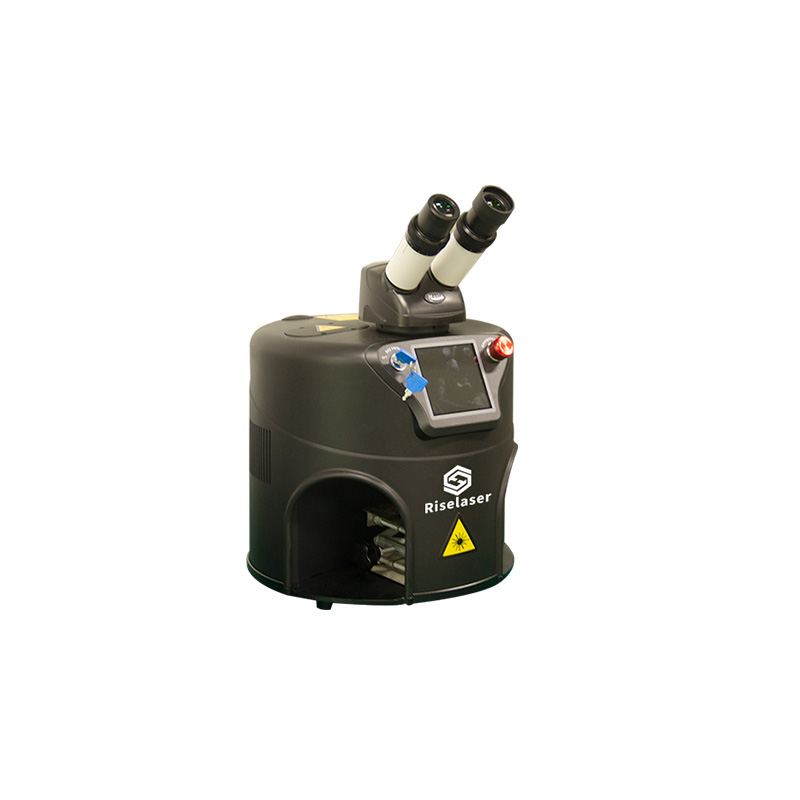
What is a Jewelry Laser Welder?
A jewelry laser welder is a machine that uses a focused beam of light to create a small, precise weld. Unlike soldering, which requires heating a large area and using a filler alloy, a laser welder melts a tiny spot of the parent metal to join two pieces together. This process generates very little heat, which does not spread far from the weld point. The result is a strong, clean bond that requires minimal polishing and finishing.
The main components of this technology are:
- A laser source that generates the light beam.
- A microscope for viewing the workpiece.
- A control system for adjusting power and pulse duration.
- A shielding gas system (typically argon) to prevent oxidation during welding.
Key Benefits of Laser Welding in Jewelry
Integrating a laser welder into your workshop allows you to perform repairs and create custom pieces with a level of precision that traditional methods cannot match.
- Work Near Heat-Sensitive Materials: The most significant advantage is the ability to perform repairs directly next to delicate gemstones like opals, emeralds, and pearls without removing them from their settings.
- Repair Delicate and Hollow Items: Lightweight or hollow pieces that would melt or collapse under the heat of a torch can be repaired easily.
- Join Dissimilar Metals: Laser welding can fuse metals that are difficult or impossible to join with traditional soldering, such as platinum to gold.
- Eliminate Solder Joints: Many repairs can be done without adding any filler material, creating a seamless, color-matched finish that is virtually invisible.
- Increased Strength and Durability: The resulting weld is made of the parent metal, creating a stronger and more durable bond than a solder joint.
Factors Affecting Jewelry Laser Welder Selection
The specific machine you choose will impact your capabilities and the overall cost.
Technology Specifications
- Power Output: For jewelry applications, power output typically ranges from 40 to 200 watts. Lower wattage is sufficient for delicate chains, while higher wattage is needed for sizing thick rings.
- Spot Size: The diameter of the laser beam. A smaller minimum spot size (e.g., 0.1mm) allows for finer, more intricate work.
- Microscope Quality: High-quality optics and magnification are crucial for precision work, reducing eye strain and improving accuracy.
- Pulse Shaping: The ability to control the laser pulse profile is important for working with different metals, as some require a gradual application of energy to prevent cracking.
Cost Considerations The investment in a jewelry laser welder varies based on its capabilities:
- Entry-Level Models (40W – 80W): The cost typically ranges from $2,500 to $3,500. These are suitable for basic repairs and small workshops.
- Professional Systems (100W – 200W): Prices range from $3,500 to $6,000. These machines offer more versatility for a wider range of repairs and custom work.
When calculating the total investment, also consider training, maintenance, and consumables like argon gas and filters.
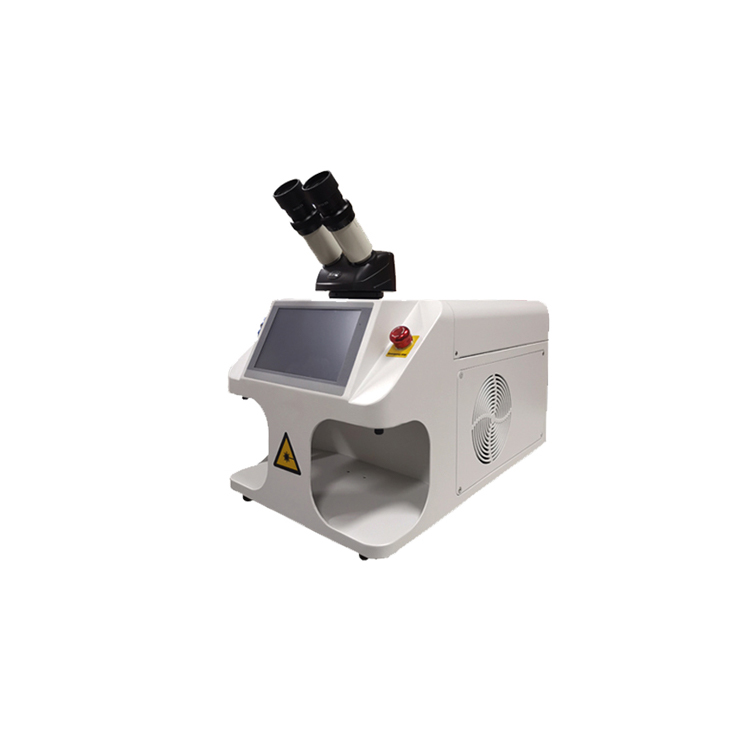
Essential Laser Welding Techniques
Proficiency with a laser welder requires practice and an understanding of key techniques.
- Material Preparation: All pieces must be thoroughly cleaned to ensure a strong, non-porous weld.
- Power and Time Settings: Selecting the correct settings for different metals and thicknesses is crucial to avoid under- or over-penetration.
- Weld Placement: Strategic placement and sequencing of welds are necessary to manage stress and prevent distortion, especially on larger pieces.
- Shielding Gas Flow: Proper adjustment of the shielding gas protects the weld from oxidation, resulting in a cleaner joint.
With these basic skills mastered, a jeweler can move on to advanced applications such as fabricating complex settings, restoring antique filigree, and performing micro-pavé repairs.
FAQs
A laser weld is typically cleaner and shows no seam or color difference, as it is made from the parent metal. Solder joints can sometimes be identified by a faint line or a slight difference in color and texture upon close inspection.
For precision, working with heat-sensitive materials, and achieving invisible repairs, a laser welder is superior. However, a torch is still useful for larger jobs and initial fabrication where high heat is not a concern. Both tools have a place in a professional workshop.
Laser welders can be used on most precious metals, including gold, silver, platinum, and palladium, as well as alternative metals like titanium and stainless steel. Different metals require different power settings and techniques for optimal results.