
If you run a busy metal shop, you know how hard it is to switch between thin 3mm aluminum and thick 20mm carbon steel. When cuts look bad, extra metal (dross) builds up, or lenses keep burning out, the problem is usually at the end of your machine: the fiber laser cutting head.
Choosing the right fiber laser cutting head isn’t just about matching the highest power limit. It is a big choice that controls how much your machine works, your cutting speed, and your ongoing laser cutter consumables cost. When you upgrade to a high-power fiber laser cutting head, you must cool the collimator and focus lenses with water. A good head uses two laser head protective windows (top and bottom). This seals the optical path (IP65 rating) from dust and slag. It stops the focus from drifting, even during long 12kW cutting jobs.
This guide will help you choose the best cutting head for mixed material cutting. We will compare auto-focus vs. manual focus laser heads and show you how to keep your equipment running longer.
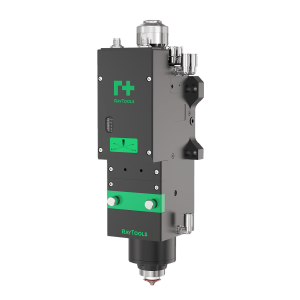
Matching Specs to Your Jobs
The materials you cut every day decide the lens setup you need inside the cutting head. A 3kW fiber laser usually cuts carbon steel up to 22mm thick and stainless steel up to 10mm thick. A 6kW system can cut carbon steel up to 30mm thick.
But raw power is only half the story. You also need the right focal lengths. Short focal lengths create a tiny, super-hot laser spot. This is perfect for cutting thin sheets very fast. On the other hand, thick metal needs a longer focal length. A deeper focus keeps the beam straight as it goes deep into the metal. This stops the edges from looking slanted and keeps the bottom of the cut clean.
| Machine Power | Primary Material Focus | Recommended Collimation Lens | Recommended Focusing Lens | Nozzle Configuration |
| 1kW – 3kW | Mixed Thin-Gauge (up to 10mm) | 100mm | 125mm | Small aperture (0.8mm – 1.2mm) |
| 3kW – 6kW | Medium to Thick Plate (10mm – 20mm) | 100mm | 150mm | Medium aperture (1.5mm – 2.0mm) |
| 6kW+ | Heavy Industrial Plate (20mm+) | 100mm | 200mm | Large aperture (2.0mm+) |
Auto Focus vs. Manual Focus Laser Heads: Why Autofocus Wins
If you own a job shop, upgrading to an auto-focus laser cutting head is the best way to get reliable cuts and stop wasting money on broken parts.
The “Sealed Box” Advantage: Fiber laser optics are very sensitive to dust. Repair centers report that up to 80% of broken lenses come from manual focus heads. Manual heads have knobs on the outside. When the seals wear out, or when operators turn the knobs with dirty gloves, tiny dust particles get inside. The dust absorbs the laser’s heat and shatters the lens instantly. Auto-focus heads are completely sealed inside an IP65-rated box, keeping factory dust away from the delicate optics.
Speed and Precision: Instead of relying on an operator to guess the right focus, auto-focus heads use fast, internal motors. These motors connect to the machine’s computer. A high-quality auto-focus head can adjust its focus at a speed of 100 mm/s with an accuracy of $\pm$ 0.01mm.
Faster Piercing on Thick Plates: When drilling (piercing) into thick 20mm steel, the best focus point is different from the focus point used for the actual cut. Manual heads force operators to pick an “in-between” focus, which creates messy holes and takes longer. Auto-focus heads let the software shift the focus down millimeter by millimeter as it pierces. This can cut your piercing time in half.
Demystifying Cutting Head Specs
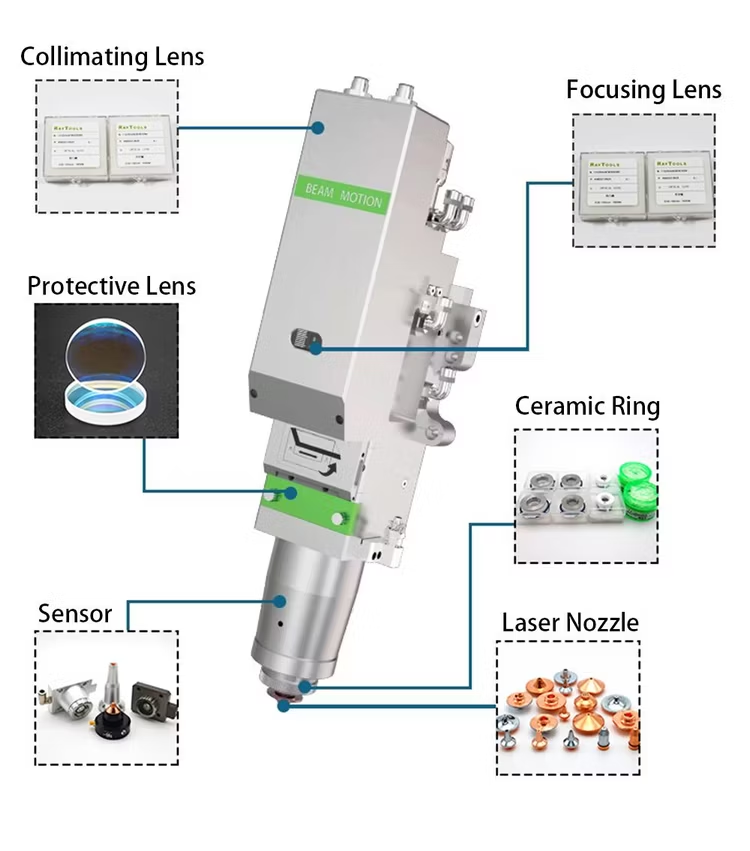
When you buy a new head or replace an old one, check these technical details to make sure it works with your laser source (like IPG, Raycus, or MAX):
Fiber Interface Connectors
The connector links the fiber optic cable to the cutting head. The standard choice is the QBH connector. It is very reliable for power levels up to 12kW. If you use heavier industrial lasers, you will need a QD connector (up to 20kW) or a Q+ connector (up to 40kW).
Laser Nozzle Types
You must match your laser nozzle to the type of gas you are using to get a clean edge:
- Single-layer nozzles: Use these for low-pressure oxygen (O2) when cutting carbon steel. They create a smooth gas flow that feeds the burning reaction.
- Double-layer nozzles: You must use these for high-pressure nitrogen (N2) when cutting stainless steel and aluminum. They blow the melted metal out of the cut with a fast, powerful stream, leaving a shiny, smooth edge.
Water Cooling Systems
High power creates a lot of heat. If the lenses get too hot, they expand, and the laser’s focus will drift. A good cutting head pumps cooling water around both the collimator and the focus lens. Set your water chiller between 28°C and 30°C. Keeping the water slightly warmer than the room prevents sweat (condensation) from fogging up the lenses.
Evaluating the Top Brands for Your Budget
When picking a brand, you have to balance the upfront cost with the long-term cost of replacement parts.
- Raytools: Raytools is the king of the middle market (1kW to 12kW). It is a highly reliable Precitec alternative. Models like the BM111 and BM114S offer great auto-focus features. Best of all, they use standard-sized laser head protective windows (like 27.9mm or 37mm) and simple nozzles that cost only $2 to $5. This keeps your daily running costs very low.
- Precitec: This is the top-tier brand for extreme power (12kW to 40kW+). Precitec heads have amazing sensors that check the temperature of every lens and watch for cutting errors. You absolutely need them for 20kW+ machines. However, their parts are very expensive and you cannot fix them easily in your shop. For a standard 3kW to 6kW job shop, Precitec is usually more than you need.
- WSX & BOCI: These brands are great for buyers on a strict budget. They work smoothly with Asian-market lasers and offer solid performance for the price.
Maintenance, Lens Cleaning, and Safety
Your cutting head will only last if you take care of it. If you need to open the head to change the inside lenses, you should ideally do it in a dust-free cleanroom (ISO 14644-1 standard).
How to Replace the Laser Head Protective Window
To protect the inside lenses from flying sparks, follow these steps to change the bottom cover glass:
- Turn off the machine and lock the power out for safety.
- Put on clean, powder-free rubber gloves so the oil from your fingers doesn’t touch the glass.
- Carefully slide the protective window drawer out of the cutting head.
- Remove the burnt glass. Check the rubber O-rings; if they look cracked or burnt, replace them.
- Take the new glass and gently wipe it from the center to the edge using a special lint-free swab and pure rubbing alcohol.
- Put the new glass in, slide the drawer back in tightly, and run a quick burst of gas to blow away any dust before turning the laser on.
Daily and Weekly Checklist
- Every Day: Look at the copper nozzle to see if it is melted or bent. Make sure the laser shoots perfectly through the center. Check your gas pressure and blow a test puff of gas through the head.
- Every Week: Check your capacitance height sensor to ensure it measures the metal properly. Clean the dust off your water chiller vents. Wipe the metal sludge off the machine’s moving rails.
Safety and Rules
High-power fiber lasers are very dangerous (Class 4 radiation). They can burn your skin and cause instant blindness. Never look at the beam, and be extra careful when cutting shiny metals like aluminum or copper because the beam can bounce back. In the United States, shops must follow strict workplace safety rules set by OSHA. This means operators must wear special laser-rated safety glasses. You also need to follow the ANSI Z136.1 standard, which is the main rulebook for using lasers safely in America. Because laser cutting can create sparks, shops must also follow the NFPA 51B fire safety code to prevent fires and safely handle hot materials.
Ready to upgrade your beam delivery system?