
Galvanized steel is carbon steel protected by a zinc coating. It is common in structural fabrication, automotive components, ductwork, and outdoor assemblies because the coating provides sacrificial corrosion protection.
Welding galvanized steel is feasible, but it introduces two predictable failure modes: (1) ZnO fume exposure when zinc vaporizes under the arc, and (2) weld quality instability (porosity, inclusions, cracking risk) when zinc contaminates the molten pool—especially in lap joints and high heat-input procedures.
For repeatable production results, treat this as a controlled process: remove the coating in the weld zone (typically 25–100 mm / 1–4 in each side), apply local exhaust ventilation at the source, use appropriate respiratory protection, and limit heat input while maintaining full fusion.
This guide provides a shop-ready workflow: coating identification, preparation and fume control, process selection (MIG/Stick and handheld laser welding where fit-up allows), defect prevention, and post-weld corrosion repair to restore protection in the HAZ.
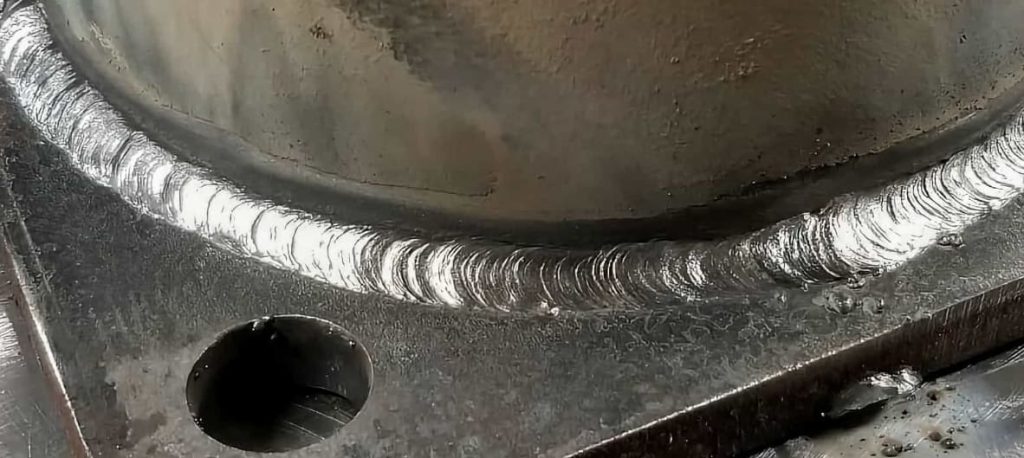
Understanding Galvanized Steel Before You Weld
What is Galvanized Steel?
Galvanized steel is just regular steel covered with a layer of zinc. The zinc works like a shield. It stops water and air from touching the steel underneath. This keeps the steel from rusting. Even if the zinc coating gets scratched, it still protects the steel. The zinc around the scratch will corrode first. This is called “sacrificial protection” or galvanic protection. It’s what makes galvanized steel so good at resisting rust. That’s why it’s perfect for outdoor use or tough conditions.
Types of Galvanized Coatings: Hot-Dip vs. Electroplated
Steel can be galvanized in two primary ways, and the method significantly impacts how it behaves during welding:
Steel parts are dipped into a bath of molten zinc heated to about 840°F (450°C). This process creates a thick coating, usually between 3 to 8 mils (75 to 200 microns) thick. The zinc bonds strongly to the steel, forming tough alloy layers. When welding, this thick coating produces a lot of harmful zinc fumes. It can also make the welding arc harder to control. Because of this, it’s often best to remove the coating before welding. This helps improve both safety and weld quality.
Electroplating (Electrogalvanizing / Zinc-Plated Steel):
This method uses electricity to deposit a thin layer of zinc onto the steel in a zinc salt solution. The coating is much thinner and smoother than HDG. It is often chosen for looks or when less rust protection is needed. Welding electroplated steel creates fewer zinc fumes because the coating is thin. It also interferes less with the welding arc, making welding easier. Sometimes you don’t need to remove the coating before welding, but safety rules still apply. However, the thin coating doesn’t protect against rust as long as HDG does.
Challenges and Problems When Welding Galvanized Steel
The Impact of the Zinc Coating During Welding
Welding galvanized metal isn’t straightforward primarily because of how the zinc coating reacts to intense heat. Zinc has a much lower boiling point (around 907∘C or 1665∘F) than the melting point of steel (around 1500∘C or 2750∘F). The intense heat of the welding arc instantly boils the zinc coating, turning it into zinc vapor (fumes). This violent boiling action destabilizes the weld pool and is the root cause of many welding difficulties and safety concerns.
Common Weld Defects (Porosity, Cracking, Inclusions)
When welding galvanized steel, zinc vapor is released. This vapor can cause several problems in the weld. One common issue is porosity. Zinc vapor bubbles get trapped inside the weld as it cools. These bubbles create holes that weaken the joint. Another problem is embrittlement and cracking. Zinc can make the weld and the area around it brittle. This brittleness makes cracks more likely to form as the metal cools. Zinc oxide particles can also cause trouble. These burnt zinc bits get stuck inside the weld bead. They create weak spots and breaks in the metal. All these defects reduce the strength and quality of the weld.
Increased Weld Splatter Issues
The zinc coating boils in a rough, turbulent way during welding. This makes the molten weld pool unstable. As a result, there are many more sparks and flying drops of molten metal, called splatter. Welding galvanized steel creates much more splatter than welding plain steel. This extra splatter makes a bigger mess. It also wastes filler metal. After welding, more cleanup is needed because of the splatter. Plus, the welder faces a higher risk of burns from the flying hot metal.
Loss of Corrosion Protection After Welding
Welding heat always burns off the zinc coating. This happens not just in the weld but also in the nearby Heat-Affected Zone (HAZ). The HAZ is the steel that got hot but didn’t melt. Without the zinc, the steel is left exposed. This makes it easy for rust to form. Rust can cause the joint to fail. If you don’t fix the damaged coating after welding, you lose the main benefit of galvanized steel. Protecting this area is very important to keep the steel strong.
Dealing with Inconsistent Coating Thickness
Galvanized coatings, especially hot-dip galvanized (HDG) ones, don’t always have the same thickness everywhere. This uneven thickness can cause problems for welders. Thicker spots create more fumes when welded. They also need different welding techniques or settings than thinner spots. Because of this, it can be hard to keep the weld quality steady. Welders must pay close attention and sometimes adjust their work while welding. This careful approach helps make sure the weld is strong and safe.
Critical Safety Hazards and Precautions
Hazard: Toxic Zinc Fumes and Metal Fume Fever
Breathing the zinc oxide fumes generated when welding galvanized steel is the most significant health hazard. These fumes are toxic. Inhaling them can cause an acute illness called Metal Fume Fever, often starting several hours after exposure. Symptoms mimic a severe flu: fever, chills, headache, muscle aches, nausea, and fatigue.
While Metal Fume Fever symptoms typically resolve within 24-48 hours, getting it is a clear sign you have been overexposed to toxic fumes. It is crucial to understand that repeated exposure carries risks beyond MFF, potentially including chronic respiratory issues. Always aim to prevent exposure, as relying on symptoms is not a safe indicator. (For technical details on exposure limits, consult OSHA regulations on Zinc Oxide fume – PEL 5mg/m3).
Hazard: Increased Weld Splatter and Burn Risk
As previously mentioned, the boiling zinc coating creates significantly more weld splatter compared to uncoated steel. This increases the risk of skin burns for the welder. Furthermore, the excessive sparks and molten metal blobs pose a serious fire hazard. Crucially, ensure the welding area is meticulously cleared of all flammable materials (like wood, paper, rags, solvents, etc.) before starting any work.
Essential Safety Precautions for Welding Galvanized Steel
Protecting yourself from toxic fumes and heavy splatter when welding galvanized steel is absolutely necessary. Never weld without these important safety measures.
Ventilation:
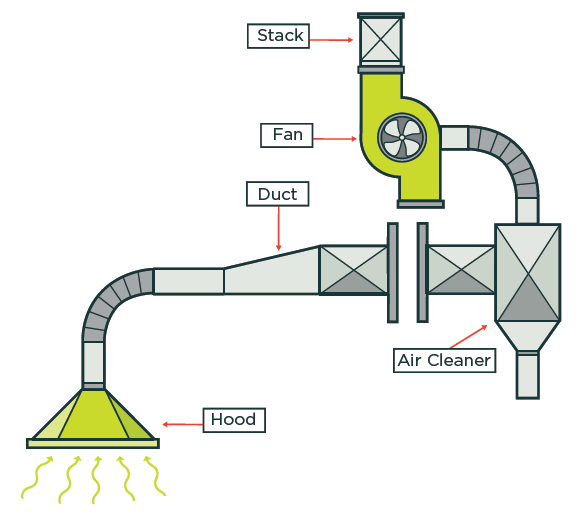
Local Exhaust Ventilation (LEV) should be your top priority. Use a fume extractor with its nozzle very close to the welding arc—about 4 to 6 inches away. This catches harmful fumes right at the source before you breathe them in. General ventilation like open windows or fans helps but is usually not enough indoors. Don’t rely only on general airflow.
Respiratory Protection:
Because fumes are so strong, you almost always need respiratory protection, even with LEV.
A PAPR (Powered Air-Purifying Respirator) is highly recommended. It gives filtered air to a hood or helmet and doesn’t require a fit test. If you use a fitted mask (half or full face), it must have P100, N100, or R100 filters made for metal fumes. This mask needs a professional fit test to seal tightly on your face. Always check the seal yourself before welding. Keep the mask clean and change filters when needed. A poor seal won’t protect you well.
Personal Protective Equipment (PPE):
Wear full body coverage because of the heavy splatter.
For your eyes and face, wear a welding helmet with the right shade over safety glasses rated ANSI Z87.1. Use flame-resistant clothing like jackets or coveralls so no skin shows. Leather clothing adds extra protection. Wear dry, insulated leather gloves and strong leather boots, preferably high-top styles. Keep all your gear clean, dry, and in good shape. Damaged equipment can put you at risk.
Preparing Galvanized Steel for Welding
Option 1: Removing the Zinc Coating Before Welding (Recommended)
For the safest and best welds, it’s a good idea to remove the zinc coating from the area you’ll be welding before you start. This is especially important for thick, hot-dip galvanized (HDG) coatings.
Why Remove It?
Removing the coating greatly reduces dangerous zinc fumes. It also cuts down on weld splatter. Taking off the coating makes the welding arc more stable. Doing this lowers the chance of weld problems like holes and cracks.
How to Remove the Coating:
Grinding is a popular method. Use an angle grinder with a special disc or wire wheel to remove the coating. Grind until you see shiny, bare steel. Remember: Grinding creates dust that contains zinc, so wear a mask (N95 or P100) and eye protection.
There are also other removal methods. Abrasive blasting (sandblasting) works well but needs to be done in a contained area. Chemical stripping is another option, but it uses dangerous chemicals that you must handle and get rid of carefully.
How much should you remove? Clean off the zinc completely at least 1 to 4 inches (25 to 100 mm) around where you plan to weld. This clear area helps keep heat from the remaining zinc and stops it from turning into vapor. You might need a bigger clear area for welding processes that use a lot of heat.
Option 2: Welding Directly Over the Zinc Coating (Requires Extra Precautions)
Welding directly over zinc coating is usually not a good idea. It can be very dangerous and makes it hard to get strong, good welds. Sometimes people try it on thin electroplated steel or when removing zinc is not possible. But this exposes the welder to a lot of toxic fumes and heavy splatter. When zinc boils, it messes up the welding process badly. This causes problems like holes and cracks in the weld. These defects happen much more often than when welding on clean steel.
If you have to weld over zinc, you must be very careful. Use the best local exhaust ventilation right at the welding spot. Wear top-quality breathing gear, like a PAPR system, and full protective clothing. These safety steps are essential. Even with all this, welding will still be hard. The weld might not be as strong. The arc will be unstable and tricky to control. Welders need advanced skills, lots of practice, and must change their technique. This includes adjusting speed, angles, and how they move the electrode to handle the zinc safely.
Essential Surface Cleaning
No matter if you remove the zinc coating or not, the weld area must be very clean before welding. Take off all oil, grease, paint, cutting fluids, dirt, moisture, or any other dirt on the surface. These things can cause big problems like holes in the weld. They can also create extra dangerous fumes when heated by the welding arc. Use the right cleaners or solvents to clean the area well. Make sure the surface is completely dry before you start welding.
Welding Techniques and Processes for Galvanized Steel
Once the galvanized steel is properly prepared (ideally with the zinc coating removed in the weld zone), selecting the right welding technique and materials is crucial for success. Key factors include controlling heat input, managing potential zinc interference, and ensuring adequate safety measures are always in place.
General Welding Tips
Regardless of the specific process used, keep these general tips in mind:
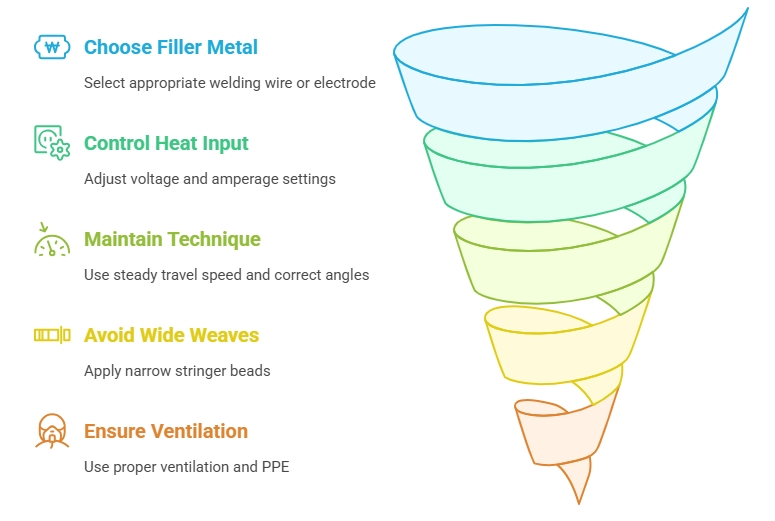
Filler Metal Choice: Use welding wires (MIG) or electrodes (Stick) suitable for galvanized steel if possible. Those with higher silicon content (like ER70S-6 MIG wire) can help deoxidize the weld puddle, but wires specifically designed for galvanized (like some metal-cored wires) or lower silicon wires (like ER70S-3 or ER70S-4, especially for root passes) might be preferred to reduce cracking risk in some situations. Always consult manufacturer recommendations.
Control Heat Input: Use the lowest voltage and amperage settings that provide proper fusion to minimize zinc fumes, reduce distortion (warping), and limit damage to the surrounding coating.
Maintain Proper Technique: Use a steady travel speed and maintain the correct torch or electrode angle and arc length for the chosen process. Technique adjustments are often needed if welding directly over any remaining zinc.
Avoid Wide Weaves: Use narrow stringer beads instead of wide weaving motions, especially if welding over zinc, to minimize heat buildup and allow gases to escape.
Ventilation & PPE: Always use appropriate ventilation (LEV preferred) and respiratory protection (PAPR or fitted mask) as outlined in the safety section, regardless of the welding process.
Comparing Common Welding Processes (Arc vs. Laser)
Different welding processes offer various trade-offs when working with galvanized steel.
| Feature | Arc Welding (MIG/Stick) | Laser Welding |
|---|---|---|
| Heat Input | Higher | Significantly Lower & Focused |
| Heat Affected Zone (HAZ) | Wider | Much Narrower |
| Distortion Risk | Higher | Lower |
| Typical Fume Generation | Can be high (managed by technique/prep) | Generally Lower (safety still vital) |
| Weld Cleanliness/Spatter | More spatter/slag potential | Cleaner weld / Minimal spatter |
| Sensitivity to Coating | More sensitive; technique/prep crucial | Less sensitive; can manage thin coats |
| Equipment Cost | Lower to Moderate | Higher |
| Typical Speed | Varies by process/skill | Can be Very Fast |
| Skill Level Required | Moderate (MIG) to Moderate-High (Stick) | High (Setup & Parameter Control) |
MIG Welding (GMAW)
Gas Metal Arc Welding (MIG) is a popular choice, especially for thinner materials. The best results come when you grind off the zinc coating first. For wire, use ER70S-3 or ER70S-6 solid wires. Silicon in the wire helps the weld flow, but you need to manage how much is in it. You can also try metal-cored wires like AWS E70C-GS made for galvanized steel. These often allow faster welding with fewer defects and work well with Pulsed MIG.
For shielding gas, a mix of argon and CO2 works well. A common blend is 75% argon and 25% CO2. This mix gives good arc stability and penetration with less spatter than pure CO2.
Using Pulsed MIG helps control heat input. If you weld over thin or leftover zinc, try a slight whipping or side-to-side motion. This helps burn off zinc ahead of the weld puddle. Keep the arc length short and steady. When welding over zinc, slow down your travel speed a little compared to welding bare steel.
To control spatter, use anti-spatter spray on the nozzle and work surface. This keeps things cleaner and reduces cleanup time.
Stick Welding (SMAW)
Stick welding (SMAW) is a flexible way to join galvanized steel. It works well for thicker metal over 1.6mm, outdoor jobs, or when you can’t fully remove the zinc. But for the best, strongest welds, it’s best to remove the zinc coating first. Welding on clean, bare steel with a low-hydrogen E7018 electrode gives the most reliable results. Make sure to keep the electrodes dry.
If you weld over thinner coatings or don’t remove all the zinc, other electrodes might help. E6010 and E6011 have a strong arc that can sometimes burn through the zinc. Using a whipping motion—moving forward then back into the puddle—helps with this. These rods create more spatter and need skill to use well. E6013 is easier to handle and has a smooth arc. But it can trap holes if zinc is still on the steel.
Good SMAW technique is important. Keep the arc length short and steady. Hold the electrode at a slight forward angle. Use narrow stringer beads instead of wide weaving. This helps control heat and reduce weld problems.
Stud Welding
Attaching studs to galvanized surfaces is possible but requires adjustments. The zinc coating acts as an insulator and barrier. Settings (current and/or weld time) typically need to be increased compared to bare steel to ensure sufficient heat burns through the zinc at the interface and achieves proper fusion between the stud and base metal. Removing the zinc coating from the weld area on both the stud and the surface yields the best results and prevents violent expulsion of metal due to trapped zinc vapor.
Laser Welding
Laser beam welding provides distinct benefits for galvanized steel, mainly due to its focused, low heat input. This minimizes the Heat-Affected Zone (HAZ), significantly reduces part distortion, and results in cleaner welds with less spatter compared to arc welding. Laser welding is generally faster and produces fewer zinc fumes (though comprehensive safety measures are still vital). These qualities make it ideal for thin materials, precision joints, or where preserving the nearby coating is crucial, as it can sometimes weld over thin coatings without prior removal.
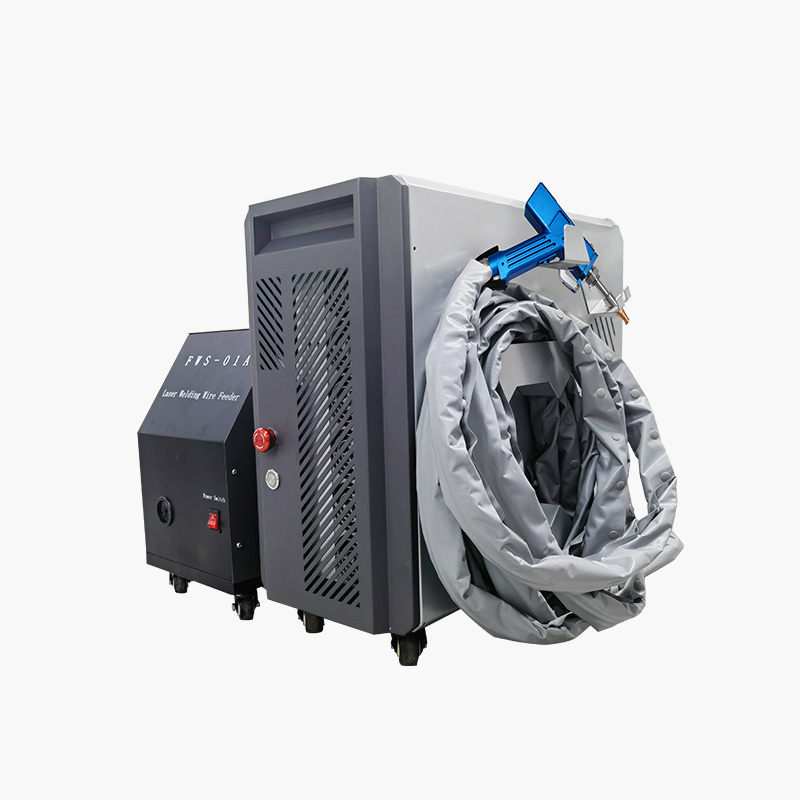
Applying laser welding effectively requires precise control of parameters like power, speed, and beam focus. Techniques like beam oscillation (“wobble”) patterns can help manage zinc vapor for a stable weld. Proper shielding gas, typically Argon, is needed, and filler wire might be required for joint gaps. Flexible handheld laser welding systems, such as the RiseLaser RL-FLA 1500W Air Cooled model, make this advanced, low-heat technique practical for many galvanized steel applications.
Need a process recommendation for your galvanized parts?
Send us your material thickness, joint type (lap/butt/fillet), and target cycle time. We can suggest a handheld laser welding parameter window and whether air-cooled or water-cooled is the better fit.
Best Practices for High-Quality Galvanized Steel Welds
Achieving consistently sound and reliable welds on galvanized steel requires careful attention to detail beyond just the basic technique. Follow these best practices:
Prioritize Preparation
This is the single most important factor for quality. Thoroughly remove the zinc coating in the weld zone (grinding is common) and ensure the base metal is completely clean (free of oil, grease, moisture, dirt, paint) before striking an arc. Proper prep drastically reduces defects like porosity and cracking.
Optimize Heat Input
Use the lowest voltage and amperage settings that still achieve complete fusion and penetration for the joint design and material thickness. Minimize excess heat to reduce fumes, limit distortion, and lessen damage to the surrounding galvanizing.
Maintain Consistent Technique:
Control is key. Maintain a steady travel speed, consistent arc length (usually short for arc welding), and proper electrode or torch angle throughout the weld. Make smooth, deliberate movements.
Use Stringer Beads (Avoid Wide Weaving):
Especially if any zinc remains near the weld zone, use narrow stringer beads rather than wide weaving patterns. This helps control heat buildup, promotes faster freezing of the weld puddle, and allows trapped zinc vapor a better chance to escape, reducing porosity.
Monitor the Weld Pool:
Pay close attention to the molten weld puddle. If it appears overly turbulent, excessively fluid, or shows signs of bubbling (indicating gas porosity), adjust your technique (e.g., travel speed, arc length, angle) as needed based on your experience and the specific process.
Ensure Proper Shielding (MIG/Flux-Cored):
Use the correct type and flow rate of shielding gas as recommended for the wire and application. Keep the gas nozzle clean and positioned correctly to prevent atmospheric contamination.
Handle Electrodes Correctly (Stick):
Keep stick electrodes, especially low-hydrogen types like E7018, completely dry according to manufacturer recommendations to prevent moisture-induced defects.
Clean Between Passes:
For multi-pass welds, meticulously remove all slag and debris from the previous bead using a chipping hammer and wire brush before depositing the next layer. This prevents slag inclusions, which are serious weld defects.
Consider Joint Design:
For some joints, like butt welds, a slightly wider root opening than used for bare steel might be beneficial to accommodate the zinc coating and ensure full penetration.
Perform Post-Weld Inspection:
Visually inspect the completed weld for defects like cracks, porosity, undercut, or lack of fusion. Perform additional non-destructive testing (NDT) if required by project specifications.
Post-Weld Treatment and Considerations
The job isn’t finished once the arc extinguishes. Proper post-weld steps are essential for ensuring the longevity and safety of your galvanized steel fabrication.
Post-Weld Cleaning
Thoroughly clean the weld area immediately after welding and cooling.
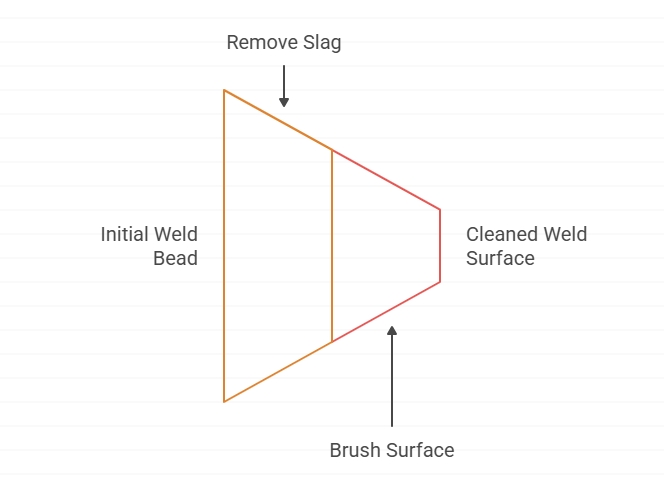
Remove Slag: If using Stick welding (SMAW) or Flux-Cored Arc Welding (FCAW), chip away all slag covering the weld bead.
Brush: Use a wire brush (appropriate for the base metal, typically carbon steel) to remove any remaining surface oxides, spatter, and residues from the weld and surrounding areas.
Purpose: Cleaning is vital for accurate weld inspection and ensures proper adhesion of any subsequent corrosion protection coatings.
Weld Inspection
Carefully inspect the completed weld for any discontinuities or defects.
Visual Inspection: At a minimum, perform a thorough visual check for issues like surface porosity, cracks, undercut, lack of fusion, or incorrect weld size/profile.
Non-Destructive Testing (NDT): Depending on the application’s criticality and governing codes or specifications, additional NDT methods may be required. These can include dye penetrant testing (PT), magnetic particle testing (MT), ultrasonic testing (UT), or radiographic testing (RT) to detect subsurface flaws.
Crucial Step: Restoring Corrosion Protection
This is arguably the most critical post-weld step. Welding destroys the protective zinc coating in the weld area and the adjacent Heat-Affected Zone (HAZ). Failure to properly restore this protection will lead to rapid rusting at the weld joint, compromising the structure’s integrity and defeating the purpose of using galvanized steel.
Surface Preparation for Repair: Before applying any repair coating, the weld area must be perfectly clean, dry, and free of all oxides, slag, and contaminants. Surface preparation methods depend on the chosen repair coating but often involve wire brushing, grinding, or abrasive blasting.
Common Repair Methods (meeting standards like ASTM A780):
| Repair Method | Description | Key Benefit(s) | Considerations |
|---|---|---|---|
| Zinc-Rich Paint (Cold Galvanizing) | Paint containing a high percentage of metallic zinc dust applied via brush, roller, or spray. | Common, easy to apply on-site, provides good barrier & some sacrificial protection. | Requires meticulous surface prep; durability less than HDG or thermal spray. |
| Thermal Zinc Spray (Metallizing) | Specialized equipment sprays molten zinc (or zinc alloy) onto a prepared surface. | Creates a durable, porous-free coating with performance similar to original HDG. | Requires specialized equipment & operator skill; often needs abrasive blast prep. |
| Re-Galvanizing (Post-Fabrication) | The entire welded part is dipped again in a molten zinc bath at a galvanizing plant. | Provides the most uniform, complete, and durable protection, identical to original HDG. | Only feasible for transportable items; requires off-site processing. |
Managing Weld Appearance
It’s important to note that repaired areas often look different from the original hot-dip galvanized surface. Zinc-rich paints are typically dull gray, while thermal spray might have a slightly different texture. Even if a part is re-galvanized after welding, the weld area itself might appear darker or thicker due to slight differences in the steel’s surface chemistry reacting with the molten zinc. While visual consistency can be a factor, ensuring adequate corrosion protection according to specifications is the primary goal of post-weld repair.
Conclusion
Welding galvanized steel is something many people need to do. The zinc coating brings special challenges. But with the right knowledge and care, you can get safe, high-quality welds. Success depends on knowing the material well. Safety is very important to handle toxic zinc fumes. Preparing the steel carefully, including removing the coating when possible, helps a lot. Choosing the right welding method and using good technique makes a big difference. After welding, you must restore the corrosion protection. Following these steps keeps the welder safe and makes the weld strong and lasting.
Always put safety first. The risks are real but can be controlled with the right precautions. By using the best practices in this guide, you can weld galvanized steel confidently. If you want to improve weld quality, reduce heat damage, and speed up the work—especially on thin materials—try advanced methods like laser welding. Contact RiseLaser today to talk about your challenges. Learn how our laser welding solutions can help you get better results with galvanized steel.
FAQs
Yes, with a controlled procedure: remove coating 25–100 mm (1–4 in) from the weld zone, use LEV, and follow a documented respirator/PPE plan. Quality control should include porosity checks and post-weld corrosion repair in the HAZ.
Typically 25–100 mm (1–4 in) from both sides of the weld line. Increase removal width for high heat input, multi-pass welding, or joints that trap vapor (lap joints).
Yes, and it is usually easier than hot-dip galvanized due to thinner coating. However, fumes and porosity risk still exist, especially on lap joints.
Porosity from zinc vapor is the most common. It increases with incomplete coating removal, excessive heat input, and joint designs that trap vapor.
When you need low distortion, narrow HAZ, and clean beads on thin to medium gauge parts and you can maintain consistent fit-up. It still requires fume extraction and parameter qualification.