
Our old stone monuments are in danger. They face a constant attack from pollution and grime, and for years, the very methods used to clean them have often caused more harm than good. Just imagine trying to help but hurting things instead. Sandblasting scrapes away original surfaces that are lost forever, while harsh chemicals can make the stone crumble, and pressure washing creates tiny cracks that destroy details. These old ways cause damage that can’t be fixed. They often bring lasting harm to the very treasures we all want to protect.
But now, there is a perfect answer. Laser cleaning is a new technology that uses focused beams of light to zap away dirt while leaving the stone completely unharmed. It never even touches the surface. It is an accurate and safe solution, and the technology of laser cleaning stone cleans our history without erasing it, making sure our monuments can be saved for many more years.
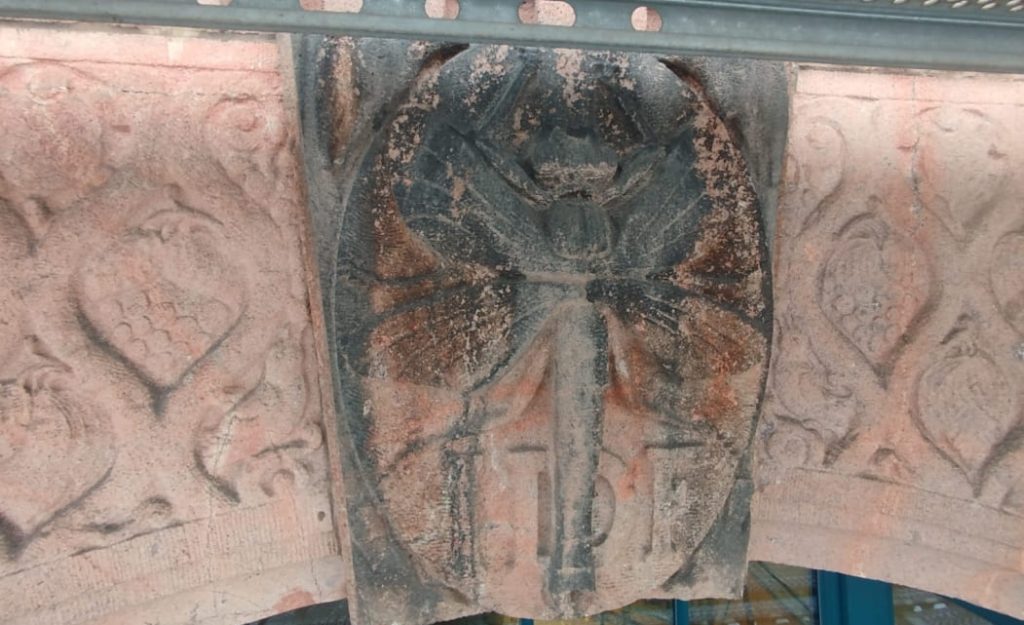
The Science of Laser Cleaning for Stone
Laser cleaning works because of clear rules of science. It uses the power of light with amazing accuracy, taking advantage of the physical differences between the dirt and the actual stone.
The Main Idea: Laser Ablation
The main process is called laser ablation. This simply means using a very focused beam of light to instantly turn a thin layer of dirt into a gas. But how does it avoid harming the stone? The answer involves two key ideas: an “ablation threshold” and “selective absorption.”
Every material needs a certain amount of energy to vaporize. This energy point is the ablation threshold, and the threshold for grime and soot is much lower than it is for the stone itself. The laser is set perfectly. It delivers just enough energy to zap the dirt into a gas while staying safely below the energy level that would hurt the strong stone underneath.
Selective absorption is also important. Think about wearing a black shirt on a sunny day; it gets much hotter than a white shirt because dark colors absorb more light. Laser cleaning works the same way. The dark layers of dirt easily soak up the laser’s energy and get vaporized before the lighter stone below has a chance to get hot. Once the dirt is gone, the job is done. The reflective stone surface provides a natural stopping point for the cleaning process.
The Three-Step Cleaning Process
Three things happen very fast when the laser hits the surface. First, the laser’s energy creates a quick and focused temperature spike on the dirt layer, which makes it instantly expand and turn into a gas. This action is so fast the heat can’t spread to the stone. Second, the tiny particles of light themselves are strong enough to directly break the connections holding the dirt molecules together. This process is like breaking things apart with light and works great on growths like algae. Finally, the instant “poof” of the dirt turning into gas creates a tiny but powerful shock wave on the surface. This provides an extra push to knock off any leftover bits of grime.
All three actions work together perfectly. They provide a cleaning process that is tough on dirt but very gentle on the stone.
Types of Laser Cleaning Machines for Stone
For successful laser cleaning stone, you need the right tool for the job. The type of machine you use depends on the stone, the dirt, and the size of the project. There are two main types. These are called Pulsed Lasers and Continuous Wave Lasers.
Pulsed Laser Cleaning Machines (50W – 300W)
Pulsed lasers are best for careful work. They are the top choice for delicate and important preservation jobs because they shoot out laser energy in very short, strong bursts. Here is how a pulsed laser works. It focuses its power into tiny bursts that last only millionths of a second, creating an amazingly high power that instantly zaps away dirt. This process creates very little heat. Called “cold ablation,” this method is key to cleaning sensitive things without causing damage from heat.
Their power usually ranges from 50 to 300 watts. Their main benefit is being very precise, which makes them perfect for cleaning delicate old objects, detailed statues, and small features on buildings where saving the original surface is the most important thing.
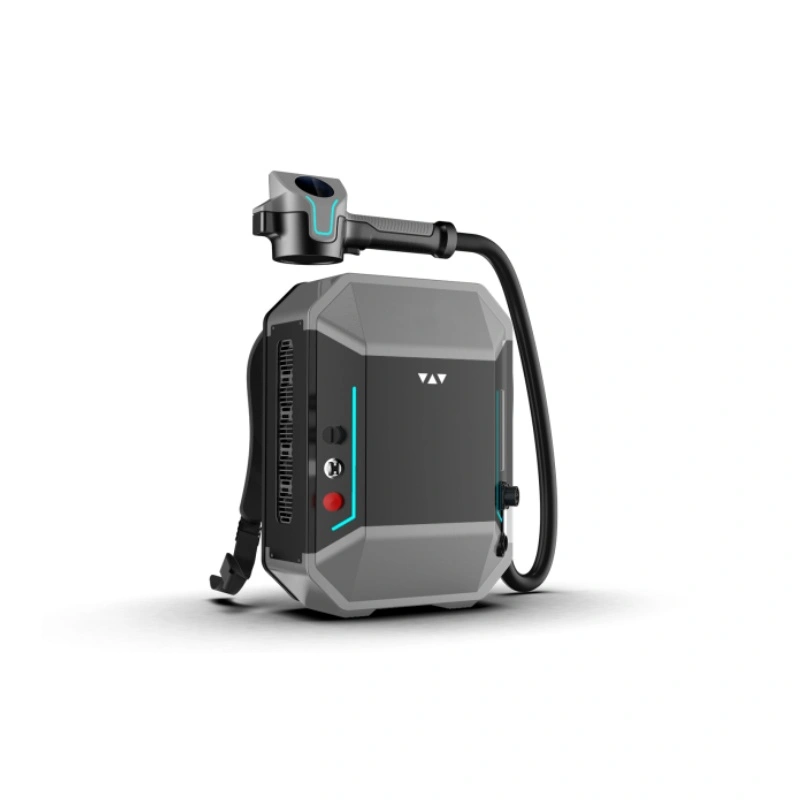
Continuous Wave (CW) Laser Cleaning Machines (1500W – 3000W)
CW lasers work in a different way. Instead of pulsing, they shoot out a steady, non-stop beam of light and are liked for their high power and speed. A CW laser sends a constant flow of energy. This method works very well for tough jobs that can handle more heat, acting like a controllable power washer that uses light instead of water to remove stubborn layers.
These machines are much more powerful. Their common power levels are 1500, 2000, or 3000 watts. Speed and power are their main benefits. CW lasers are best for big industrial jobs on strong stone surfaces, like cleaning the entire front of a large building or stripping thick layers of paint where getting a big area done quickly is most important.
Other Important Settings
An expert operator adjusts other settings too. They choose the laser’s “color,” or wavelength, to make sure the dirt soaks up the most light while the stone soaks up the least. The most important choice is the mode. An operator must decide if the task needs a 100-watt pulsed laser for a delicate job or a 2000-watt CW laser for a tough stripping job.
Scan speed and spot size are also changed as you work. A wider beam and faster movement cover big areas quickly, while a narrow beam and slower speed are used for careful, detailed work. This control gives you both speed and accuracy.
Common Applications for Laser Cleaning Stone
Laser cleaning is not just an idea. It is a real solution that works, used to save stone treasures all over the world. It can be used in many ways. This ranges from famous landmarks that are worth a lot to everyday industrial jobs.
Restoring Historic Monuments
There is no room for mistakes with historic places. This is why the laser’s ability to clean without causing damage is the most important thing for these landmarks. Experts use it to clean old buildings. They have removed harmful black layers and green stuff from some of the world’s most famous structures. The Acropolis in Athens is one example. There, lasers carefully cleaned the fragile marble statues without scraping the 2,500-year-old stone. Lasers also cleaned detailed stone doorways on old cathedrals in Europe.
In the U.S., a laser was used on the Thomas Jefferson Memorial to safely remove a tough layer of grime, making its dome bright white again. The project was a documented success. Architectural Conservator Justine Bello for the National Park Service stated, ‘The level of clean that was achieved exceeded our expectations. We were able to clean the stone in a safe manner that protected both this cultural resource and the surrounding natural environment as well

Cleaning Buildings
Lasers also clean regular buildings. It is a very useful tool for making everyday buildings look beautiful again and keeping them strong. This includes universities, churches, and homes. It can gently remove decades of city dirt from the outside walls of buildings. Lasers can clean statues and other detailed carvings on buildings that would be wrecked by rougher methods. It safely brings a building back to how it was meant to look, which can increase its value and help it last longer.
Saving Art and Sculptures
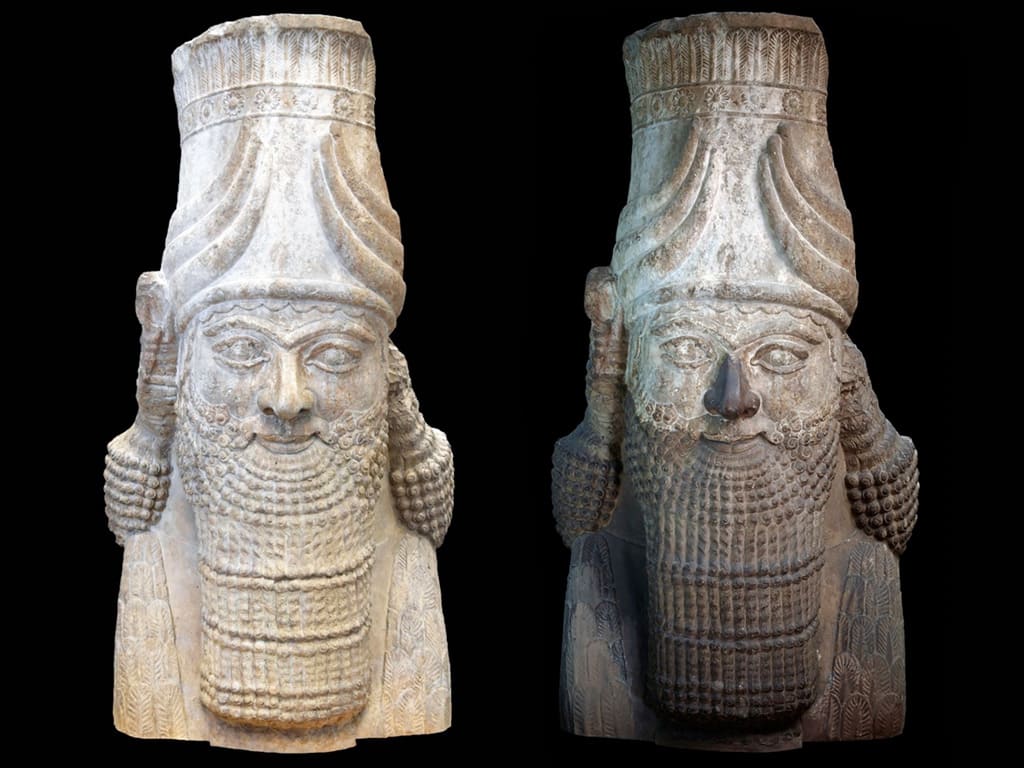
For an art expert, a laser is like a scalpel of light. When working on single pieces of art made from marble or limestone, the accuracy of a pulsed laser is the best. Experts can clean tiny details with it. They can safely work on the face of a statue or the delicate folds of a stone robe. It can even save very fragile surfaces. For example, it can remove ugly layers from marble that is starting to fall apart like sugar, without making it lose more tiny bits of stone. It can also reveal hidden secrets. Cleaning away dirt can show hard-to-read writing or old tool marks that are important to history.
Industrial Stone Cleaning
Lasers are also great for tougher, common jobs. The power and speed of CW lasers are perfect for situations where fast and complete cleaning is the main goal. It can instantly get rid of graffiti. The laser zaps away spray paint from walls without leaving behind the faint outline that chemical cleaners often do. It is also used to strip off old paint. Lasers can effectively remove failed paint layers from strong stone surfaces like granite. You can also use it to get a surface ready. This involves cleaning stone floors or walls before putting on a new protective layer or glue.
The Advantages: Why Choose Laser Cleaning for Stone?
People are choosing laser cleaning for a reason. It has a strong list of benefits that older methods just can’t offer. This technology is better. It gives you more accuracy, more safety, and it simply works well.
It’s Precise and Controllable
Its biggest benefit is control. Laser systems give experts amazing control over the cleaning process. They can adjust the power and beam size. An expert can remove an exact layer of dirt, even down to a microscopic level, without harming the material underneath. This isn’t just a claim; scientific studies using laser micro-profilometry have shown this method can reduce surface damage by over 85% compared to a soiled or scratched state, preserving the stone’s original texture. This allows for very careful cleaning. It makes it possible to clean detailed carvings and delicate surfaces that would be destroyed by the rough power of sandblasting or the messy way chemicals work.
It Doesn’t Harm the Stone
Nothing but light ever touches the stone. Because of this, the process doesn’t harm the object at all. This is very important for saving history. It protects the stone’s natural protective layer, called a patina, which tells a part of its story that can’t be replaced. Rough methods scrape this layer away forever. Laser cleaning, however, only removes the dirt on top, making sure the object stays real and original. As leading conservation expert Martin Cooper notes, the key advantage is the ability ‘to remove layers of dirt without removing any original material from the object’s surface,’ which preserves delicate patinas and even original tool markings that other methods would erase.
It’s Friendly to the Environment
Laser cleaning is the best choice for the planet. The process is very clean because it uses no chemicals, so there are no poisonous liquids to clean up. It also uses no sand or other rough materials. This means there is no extra trash to get rid of when the job is done. The only thing left over is the dirt itself. This dirt is turned into a gas that can be captured right away by a special vacuum, leaving the worksite clean and having very little impact on the environment.
It’s Safe for the Stone Itself
Old cleaning methods can cause permanent damage. High-pressure water pushes water deep inside tiny holes in the stone, which causes cracking when the water freezes. Sandblasting creates tiny cracks. These cracks make the surface weaker over time, while chemicals can soak into the stone and cause color changes later. Laser cleaning avoids all these risks. By creating almost no physical force or stress from heat, it cleans the surface without giving the stone new ways to fall apart in the future.
It Saves Money Over Time
The price to buy a laser is high at first. But compared to older tools, it saves a lot of money over time. It is very cheap to run. It mostly just uses electricity, and you don’t have to keep buying supplies like chemicals or sand. Cleanup costs are almost totally gone. Most importantly, it prevents damage, which saves you from the huge cost of repairing a priceless object that was harmed by a cheaper but rougher tool.
Key Considerations for Laser Cleaning Stone
While laser cleaning stone is a great and modern tool, it doesn’t work for everything, and you need to understand its limits and risks to use it well and keep people safe. It is a tool for professionals. Being smart about it means knowing that it needs expert knowledge.
It Doesn’t Work on All Materials
Lasers can’t be used on everything. The technology works because some materials soak up light better than others. For example, it’s very hard to clean painted stone statues. The laser might not be able to tell the difference between the dirt and the delicate paint and could cause damage that can’t be fixed. Wood, paper, and some plastics also usually can’t be cleaned with lasers because they can easily scorch or melt. Checking the material and the dirt first is always the most important step.
Dangers of Using It Wrong
A laser is only as good as the person using it. Using the wrong machine or the wrong settings might not work, or it might even cause damage. Using a powerful laser on a delicate statue could cause tiny cracks or yellowing. On the other hand, using a low-power laser on thick paint might not work at all. This shows why you have to check things first. It is very important to understand the machine well.
It Costs a Lot at First
It’s true that a good laser machine is expensive. The high price to buy one can be a big hurdle for smaller repair companies, museums with tight budgets, or workers who do smaller jobs. It costs much more than older tools like pressure washers.
It’s Complicated and Needs Training
Using a laser is a job that needs a lot of skill. It is not a simple “point-and-shoot” tool that anyone can pick up and use. An operator must be trained very well. They need to understand how lasers work, how different materials react, and how to adjust the settings for each different job. The need for trained and certified experts is something important to think about before a company gets this tool.
Very Important Safety Rules
Lasers are powerful enough to badly hurt people. You must follow safety rules, with no exceptions, when using this tool. This starts with setting up safe work areas and making sure only trained people use the machine. Good machines also have built-in safety features, like special vacuums for fumes and safety switches that turn the laser off automatically.
Your personal protective equipment, or PPE, is your final and most important protection. Everyone in the area must wear the right kind of safety glasses made for that exact laser, because regular safety glasses are not good enough to stop permanent eye damage. You also have to protect your skin with gloves and protective clothes.
The Future of Laser Stone Cleaning
Laser cleaning is already amazing. But it is always changing and getting better, and the future looks even brighter with smarter and faster machines. It is becoming the best choice for saving stone. The whole field is moving towards smarter tools made for specific jobs.
Better Technology for Speed and Power
Scientists are working to make lasers better. This includes making more powerful pulsed lasers that clean faster while still being very gentle. They are also making CW lasers that are easier to control. The main goal is to cut down the time it takes to do big jobs, making laser cleaning a real choice for more types of building repair projects without lowering the quality.
Adding AI and Smart Sensors
The next big step is adding AI. Future laser systems might have tools like special cameras built right in that give instant feedback by always checking the surface being cleaned. This information could be sent to an AI program. That program could then automatically change the laser’s settings—like its power and speed—as it works. This “smart cleaning” ability would almost totally remove the chance of human mistakes. It would make sure the laser always works at the best settings and stops the moment the dirt is gone.
Making Lasers for Special Jobs
We are learning more about how lasers work on different materials. Because of this, we can expect machines made for very specific tasks instead of one-size-fits-all machines. We might see lasers made just for certain jobs. For example, a laser could be designed to work really well on tough green stains on granite, or one could be set up perfectly for the very fragile “sugaring” marble. This will give experts the exact tools they need for special problems.
More People Will Start Using Lasers
The technology will keep getting better. As it becomes more efficient and hopefully cheaper, laser cleaning will change from being a special tool to a normal and essential one for anyone saving old stonework. It will be taught in college classes. It will also become a normal cost listed in repair project budgets. More people using it will help protect our history. This will ensure that our shared history in stone can be cleaned with the safest and best method ever made.
The Right Choice for Saving Stone
Laser Cleaning is the Best Method
Most experts now agree. Over the last few decades, it has become clear that laser cleaning is the safest, most accurate, and best way for the environment to fix up stone. It is different from the old methods. It can do something people used to think was impossible, which is to remove ugly and harmful dirt without changing, scraping, or hurting the original stone surface. It uses the power of light with amazing accuracy. It provides a solution for an old problem that never touches the stone and is friendly to the environment.
Choosing the Right Laser is Key
You have to make a smart choice. As this guide has shown, whether a job goes well depends on the technology you use. The difference between laser types is very important. A very accurate, low-power pulsed laser is the only choice for old objects that can’t be replaced or for small details on statues where saving the surface is the top priority. On the other hand, a fast CW laser is a good choice for big building or factory jobs on strong surfaces. A good result depends on finding the perfect match by pairing the right laser to the specific needs of the job.
A Final Thought: Protecting Our History
The stones of our buildings are like the pages of our history books. It is a very big responsibility to protect them for the future. By using modern and smart tools developed for laser cleaning stone, we do more than just clean stone; we are doing our duty to protect our history and pass it down to the next generation. This ensures these old objects can keep telling their stories. They will be around for hundreds of more years.
FAQs
A: When used correctly by a trained professional, laser cleaning is the safest method available because it removes dirt without touching or harming the stone itself. However, improper use can cause damage.
A: The initial equipment cost is high, but it saves money over time by eliminating the need for chemicals, abrasives, and extensive cleanup.
A: Yes, laser cleaning is highly effective at removing graffiti from stone. Because it vaporizes the paint layer with precision, it can remove the graffiti completely without damaging the underlying stone or leaving behind the faint “shadow” that chemical methods often do.