
Fiber laser tube cutting is replacing CO2 laser cutting for metal tubes because it is faster, more energy-efficient, easier to maintain, and better suited for reflective metals such as aluminum, brass, and copper. For factories that cut stainless steel, carbon steel, aluminum, brass, copper, or galvanized tubes every day, fiber laser tube cutting usually offers better production efficiency and lower long-term cost.
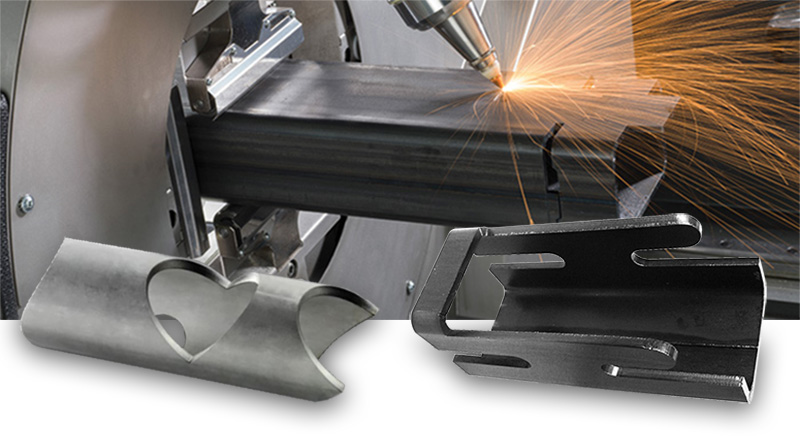
A fiber laser tube cutting machine can cut tube length, holes, slots, contours, angled cuts, and joint features in one CNC process. This helps reduce sawing, drilling, punching, grinding, and manual measuring.
That does not mean CO2 laser cutting is obsolete. CO2 lasers are still useful for many non-metal materials, such as acrylic, wood, plastic, textile, leather, paper, and glass. The shift from CO2 to fiber laser is mainly happening in industrial metal tube cutting.
This guide explains why fiber laser tube cutting is replacing CO2, where the advantages are strongest, when CO2 still makes sense, and how to choose the right fiber laser tube cutting machine for your factory.
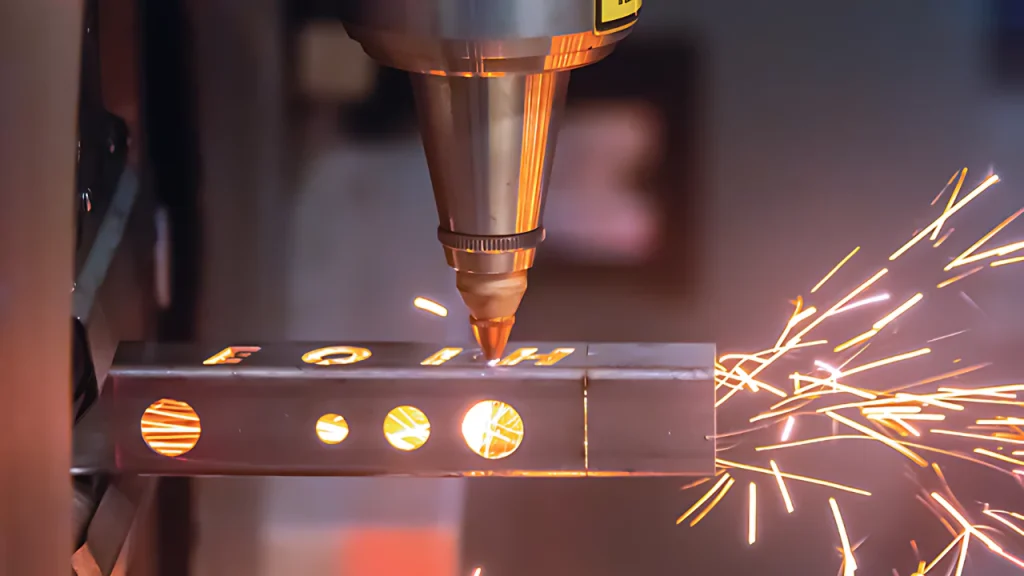
Quick Answer: Why Fiber Laser Tube Cutting Is Replacing CO2
Fiber laser tube cutting is replacing CO2 laser cutting because it is better suited for modern metal tube production. Compared with CO2 laser cutting, fiber laser cutting usually offers faster metal cutting, lower energy use, less optical-path maintenance, better performance on reflective metals, and easier integration with automatic tube loading systems.
The main reasons are:
- Faster cutting on many thin and medium metal tubes
- Lower power consumption in daily production
- Less mirror and optical-path maintenance
- Better cutting performance on aluminum, brass, and copper
- Stronger fit for CNC tube cutting and automatic loading
- Lower long-term cost when production volume is high
For a factory that cuts metal tubes every day, these advantages can improve output, reduce labor, and lower the cost per finished part.
Fiber Laser Tube Cutting vs CO2 Laser Cutting: Key Differences
The biggest difference is material fit. Fiber laser tube cutting is usually better for metal tubes. CO2 laser cutting is still strong for many non-metal materials. TRUMPF notes that fiber lasers have no moving parts or mirrors, offer low maintenance costs, and work effectively with reflective metals, while CO2 lasers are mainly used today for non-metal materials such as plastics, textiles, glass, acrylic, and wood. TRUMPF explains these fiber laser advantages here.
| Factor | Fiber Laser Tube Cutting | CO2 Laser Cutting |
|---|---|---|
| Best use | Metal tube and pipe cutting | Non-metal cutting and some metal cutting |
| Common materials | Carbon steel, stainless steel, aluminum, galvanized steel, brass, copper | Acrylic, wood, plastic, textile, leather, paper, glass |
| Metal cutting speed | Usually faster on thin and medium metals | Usually slower in many metal applications |
| Reflective metals | Better for aluminum, brass, and copper | More difficult on reflective metals |
| Energy efficiency | Higher | Lower |
| Maintenance | Less optical-path maintenance | More mirror and alignment maintenance |
| Automation fit | Strong for modern CNC tube cutting lines | Less common in new metal tube systems |
| Long-term cost | Often lower in regular metal production | Can be higher for metal tube production |
| Best buyer | Metal fabrication factory | Non-metal processing workshop |
The practical takeaway is simple: if your main work is metal tube cutting, fiber laser is usually the stronger choice. If your main work is acrylic, wood, fabric, or plastic, CO2 may still be the better option.
What Is Fiber Laser Tube Cutting?
Fiber laser tube cutting is a CNC cutting process that uses a fiber laser beam to cut metal tubes and pipes. The tube is held by chucks, rotated by the machine, supported during feeding, and cut according to the programmed drawing.
Unlike basic saw cutting, a fiber laser tube cutting machine can complete many tube features in one setup, including:
- Straight cuts
- Angled cuts
- Holes
- Slots
- Contours
- Saddle cuts
- Intersecting cuts
- Bevel cuts, depending on machine configuration
This makes fiber laser tube cutting useful for factories that need accurate tube parts for welding, assembly, frames, railings, furniture, machinery, automotive parts, and metal structures.
For buyers comparing machines, a dedicated metal tube fiber laser cutting machine is usually more suitable than a flat sheet laser cutter when tube cutting is a regular production need.
What Tube Shapes Can a Fiber Laser Tube Cutter Process?
Most fiber laser tube cutting machines can process common industrial tube shapes. The actual range depends on the chuck system, tube support system, and machine configuration.
| Tube Shape | Common Use |
|---|---|
| Round tube | Railings, frames, exhaust pipes, fitness equipment |
| Square tube | Furniture, machinery frames, structures |
| Rectangular tube | Shelving, supports, welded assemblies |
| Oval tube | Decorative parts, furniture, special structures |
| Angle steel | Brackets, construction parts |
| Channel steel | Frames, supports, industrial structures |
| Special profiles | Custom parts, depending on machine configuration |
This is an important buying point. Do not choose a tube laser cutter only by laser power. You also need to check whether the machine can clamp, rotate, and support your tube shape correctly.
What Materials Can Fiber Laser Tube Cutting Handle?
Fiber laser tube cutting is mainly used for metal materials. It is common in factories that process carbon steel, stainless steel, aluminum, galvanized steel, brass, and copper tubes.
| Material | Typical Applications |
|---|---|
| Carbon steel | Machinery frames, construction tubes, brackets |
| Stainless steel | Railings, food equipment, decoration, medical equipment |
| Aluminum | Furniture, automotive parts, lightweight frames |
| Galvanized steel | Fencing, structures, HVAC parts |
| Brass | Decorative tubes, fittings, special parts |
| Copper | Electrical parts, conductive components |
The cutting ability depends on laser power, material grade, wall thickness, assist gas, cutting speed, and required edge quality.
For example, cutting thin stainless steel decorative tubes is different from cutting thick carbon steel structural tubes. The right laser power and machine configuration should match your stable production needs, not just the maximum thickness listed in a brochure.
Why Fiber Laser Performs Better for Metal Tube Cutting
Fiber laser performs better in many metal tube applications because the laser beam is well suited for metal processing. In daily production, this often means faster cutting, cleaner processing, less maintenance, and better machine uptime.
Faster Cutting and Piercing
In tube cutting, speed is not only about cutting a straight line. Piercing time also matters.
A single stainless steel tube part may need:
- 2 end cuts
- 8 bolt holes
- 4 slots
- 2 angled cuts
If every hole takes too long to pierce, the total cycle time becomes slow. Fiber laser can reduce piercing and cutting time on many metal tube jobs, especially thin and medium-wall tubes.
This advantage becomes more important in batch production. If a factory makes hundreds or thousands of repeated tube parts, even a few seconds saved per part can improve daily output.
Better Performance on Reflective Metals
Aluminum, brass, and copper are common challenges for many traditional CO2 laser systems because these materials reflect more laser energy. Xometry notes that pure copper is especially difficult for CO2 lasers, while fiber lasers achieve better absorption for copper cutting. Xometry explains reflective metal cutting here.
This is one reason fiber laser is widely used in:
- Aluminum furniture tube cutting
- Automotive aluminum parts
- Brass decorative parts
- Copper conductive components
- Lightweight metal structures
However, reflective metal cutting still needs the right setup. Laser power, cutting head protection, gas pressure, and process parameters must all match the material.
If your main material is aluminum tube, you may also want to review this guide on choosing the right fiber laser tube cutting machine for aluminum tubes.
Lower Maintenance Than CO2 Laser Systems
Traditional CO2 laser cutting systems often use mirrors and a more complex beam delivery path. These optical parts may need cleaning, alignment, and regular maintenance.
Fiber laser systems do not use the same traditional CO2 mirror-based optical path. This can reduce maintenance work and help improve uptime.
For production managers, this is a major reason to upgrade. A machine that cuts fast but stops often is not truly productive. Lower maintenance helps keep the tube cutting line running.
Why CO2 Laser Cutting Is Losing Ground in Metal Tube Production
CO2 laser cutting is losing ground in metal tube production because many factories now judge machines by total production cost, not only cutting ability.
A CO2 laser may still cut some metal materials. But in daily tube production, buyers usually ask a bigger question:
How many good parts can this machine produce per shift, and how much does each finished part cost?
Fiber laser often wins because it can reduce several hidden costs:
- Less time spent on optical alignment
- Lower energy use during metal cutting
- Less downtime from maintenance
- Better fit for automatic loading systems
- Better performance on a wider range of metal tubes
- Easier integration with modern CNC tube production
This is why many new metal tube cutting lines now use fiber laser instead of CO2.
Where Fiber Laser Tube Cutting Creates the Biggest Production Gains
Fiber laser tube cutting creates the biggest gains when the part needs more than a simple straight cut.
A saw can cut tube length. But it cannot cut holes, slots, contours, angled ends, and welding features in the same CNC process. This is where a fiber laser tube cutting machine becomes valuable.
Cutting Holes, Slots, and Complex Contours
A fiber laser tube cutter can cut many features directly on the tube, including:
- Bolt holes
- Mounting slots
- Drainage holes
- Interlocking features
- Decorative patterns
- Welding positioning holes
- Pipe intersection cuts
This helps reduce drilling, punching, manual marking, and layout work.
Better Fit-Up for Welding and Assembly
Accurate tube cutting improves how parts fit before welding.
For example, a factory making steel frames may need tubes that meet at clean angles. If the cuts are not accurate, workers need more grinding and fitting before welding. A tube laser cutter can produce more consistent joints, which helps reduce rework.
This is useful for:
- Machinery frames
- Fitness equipment
- Metal furniture
- Stainless steel railings
- Automotive parts
- Agricultural machinery
- Structural tube assemblies
Less Secondary Processing
Fiber laser tube cutting can combine several processing steps into one CNC workflow.
| Traditional Process | Fiber Laser Tube Cutting Advantage |
|---|---|
| Saw cutting | Cuts tube length and shapes |
| Drilling | Cuts holes in the same CNC program |
| Punching | Reduces tooling changes |
| Manual marking | Uses programmed cutting paths |
| Grinding | Can reduce edge correction and fitting work |
| Outsourcing | Brings tube processing in-house |
For example, a railing factory may need stainless steel tubes with angled ends and screw holes. With traditional processing, workers may cut, drill, mark, and deburr each tube separately. A fiber laser tube cutting machine can complete most of these features in one setup.
ROI: How Fiber Laser Tube Cutting Can Lower Long-Term Cost
A fiber laser tube cutting machine may cost more upfront than some older or simpler cutting methods. But ROI should be judged by long-term production cost, not only machine price.
The better question is:
How much does each finished tube part cost after labor, energy, maintenance, scrap, and secondary processing?
Cost Factors Buyers Should Compare
| Cost Factor | Why It Matters |
|---|---|
| Machine price | A higher configuration costs more upfront |
| Electricity use | Fiber laser is usually more energy-efficient than CO2 |
| Maintenance | Less optical-path maintenance can reduce downtime |
| Labor | Automation can reduce manual loading and handling |
| Secondary processing | Holes, slots, and bevels can be cut in one process |
| Material waste | Nesting and accurate cutting may reduce scrap |
| Production speed | Faster cycle time can increase daily output |
| Downtime | More uptime means more sellable parts |
When ROI Is Strongest
Fiber laser tube cutting usually makes the most sense when the factory:
- Cuts metal tubes every day
- Handles repeated batch production
- Needs holes, slots, bevels, or complex contours
- Wants to reduce manual drilling and grinding
- Wants to bring outsourced tube cutting in-house
- Uses stainless steel, carbon steel, aluminum, brass, copper, or galvanized tubes
- Needs better part consistency before welding
For example, if a tube part needs one length cut, four holes, and two slots, traditional processing may require sawing, drilling, marking, deburring, and part transfer between workstations. A tube laser cutter can finish these features in one CNC program. The savings do not come only from faster cutting. They also come from fewer handling steps and less manual rework.
If a factory only cuts a few simple tubes per week, a tube laser cutter may not be necessary. But if tube cutting is a regular production bottleneck, fiber laser can be a strong investment.
Not sure whether the ROI makes sense for your factory?
Send your tube material, wall thickness, shape, length, drawings, and daily production volume. Riselaser can help you evaluate the right fiber laser tube cutting machine configuration.
When CO2 Laser Cutting Still Makes Sense
Fiber laser is not replacing CO2 in every market.
CO2 laser cutting is still useful for many non-metal materials, including:
- Acrylic
- Wood
- MDF
- Plastic
- Textile
- Leather
- Paper
- Glass engraving
If your main work is acrylic signs, wood crafts, fabric cutting, or packaging materials, CO2 may still be the better choice.
The shift toward fiber laser is mainly happening in metal cutting, especially in factories that process stainless steel, carbon steel, aluminum, galvanized steel, brass, and copper tubes.
So the better question is not:
Is fiber always better than CO2?
The better question is:
What material do you cut, and what production result do you need?
For metal tube production, fiber laser is often the stronger choice. For many non-metal jobs, CO2 still has a clear place.
Why Machine Configuration Matters More Than Laser Source Alone
For tube cutting, the laser source is only one part of the system. Chuck accuracy, tube support, loading method, nesting software, cutting head stability, and gas control all affect the final result.
This is why buyers should compare the full machine configuration, not only the laser power.
For example, a high-power laser source cannot solve poor tube support. If a long tube shakes during rotation, the machine may still produce inaccurate holes or poor edge quality. In the same way, a factory that cuts large batches may gain more from automatic loading than from simply choosing a higher-power source.
Before buying a fiber laser tube cutting machine, check the full system:
- Can the chuck hold your tube shape and size?
- Can the support system control long tubes?
- Can the software handle your drawings and tube profiles?
- Can the machine support your daily production volume?
- Can the supplier provide training, spare parts, and remote support?
For a broader selection framework, you can also read this guide on choosing a fiber laser cutting machine for stable production.
Safety and Process Control in Fiber Laser Tube Cutting
Fiber laser tube cutting is an industrial process. It needs proper safety control, fume extraction, tube clamping, gas control, and operator training.
In tube cutting, safety is not only about the laser beam. Long tube handling, rotating chucks, automatic loading systems, and metal fumes also need proper control. OSHA notes that laser exposure can damage the eyes and skin, and its technical guidance also highlights the need for adequate ventilation when laser cutting produces fumes and vapors. OSHA provides laser hazard guidance here.
Laser Safety
Fiber lasers can damage eyes and skin if used incorrectly. Operators should follow proper laser safety rules.
Important safety points include:
- Use a proper protective enclosure where required
- Wear suitable laser safety glasses when needed
- Keep unauthorized people away from the cutting area
- Use warning signs and safety interlocks
- Train operators before production use
Fume and Gas Safety
Cutting metal produces fumes. This is especially important when cutting galvanized tubes, painted tubes, oily tubes, or coated materials.
Factories should use:
- Proper fume extraction
- Air filtration when needed
- Safe gas handling
- Good workshop ventilation
- Correct cutting gas pressure
Assist gas also affects cutting quality. Oxygen, nitrogen, and compressed air can produce different edge results. The right gas depends on material, thickness, cost, and edge quality needs.
For a deeper support article, you can internally link to your guide on choosing the right assist gas for laser cutting.
Tube Holding and Support
Tube cutting is different from flat sheet cutting. Long tubes can shake, bend, or rotate incorrectly if support is poor.
Important machine factors include:
- Chuck accuracy
- Tube support system
- Stable feeding
- Correct clamping force
- Smooth rotation
- Good nesting and programming
Poor tube support can cause vibration, poor hole accuracy, and bad cut quality. This is why buyers should not choose a machine based only on laser power.
How to Choose a Fiber Laser Tube Cutting Machine
The right fiber laser tube cutting machine depends on your material, tube size, wall thickness, cut type, and production volume.
Do not choose only by maximum cutting thickness. Choose by stable daily production needs.
Match Laser Power to Material and Wall Thickness
Higher laser power can cut thicker tubes and improve speed in some conditions. But more power is not always the best answer.
Before choosing power, check:
- Material type
- Wall thickness
- Tube diameter
- Required speed
- Edge quality requirement
- Assist gas choice
- Daily production volume
For example, a factory cutting thin stainless steel tubes may not need the same power as a factory cutting thick carbon steel structural tubes.
Check Tube Size and Shape Range
Buyers should confirm:
- Maximum round tube diameter
- Maximum square tube size
- Minimum tube size
- Tube length range
- Supported special profiles
- Maximum tube weight
- Chuck type and clamping range
If your factory cuts different tube shapes, make sure the machine supports them before ordering.
Decide Whether You Need Automatic Loading
Manual loading can work for low-volume production. But for batch production, automatic loading can save labor and improve efficiency.
Automatic loading is useful when:
- Tubes are long or heavy
- Production volume is high
- Workers need to reduce manual handling
- The factory wants more stable output per shift
Automation also increases machine cost, so it should match your real production volume.
Check Software and Nesting Ability
Good software helps reduce waste and improve production flow.
Check whether the software supports:
- Tube drawing import
- Nesting
- Common tube profiles
- Hole and slot cutting
- Bevel or angled cutting
- Production reports
- Easy programming for operators
A strong laser source cannot fix poor programming. For tube cutting, software matters.
Fiber Laser Tube Cutting Machine Selection Checklist
| Selection Factor | What to Check Before Buying |
|---|---|
| Material | Carbon steel, stainless steel, aluminum, brass, copper |
| Wall thickness | Stable cutting range, not only maximum thickness |
| Tube shape | Round, square, rectangular, oval, special profile |
| Tube length | Standard and maximum tube length |
| Cut type | Straight cut, hole, slot, bevel, intersecting cut |
| Production volume | Manual loading or automatic loading |
| Software | Nesting, drawing import, tube profile support |
| Support | Installation, training, spare parts, remote service |
Buyer Checklist Before Requesting a Quote
Before asking for a fiber laser tube cutting machine quotation, prepare the right information. This helps the supplier recommend a suitable model instead of giving a random price.
Send these details:
- Material type
- Tube shape
- Tube diameter or side length
- Wall thickness
- Tube length
- Required cutting features
- Drawings or DXF files
- Daily or monthly production volume
- Edge quality requirements
- Need for automatic loading
- Need for bevel cutting
- Destination country for shipping quotation
A useful quote is not only a machine price. It should match your real production needs.
Need help choosing a fiber laser tube cutting machine?
Send your tube material, shape, diameter, wall thickness, tube length, drawings, and daily production volume. Riselaser can recommend the right laser power, chuck size, and loading configuration for your factory.
Common Applications of Fiber Laser Tube Cutting
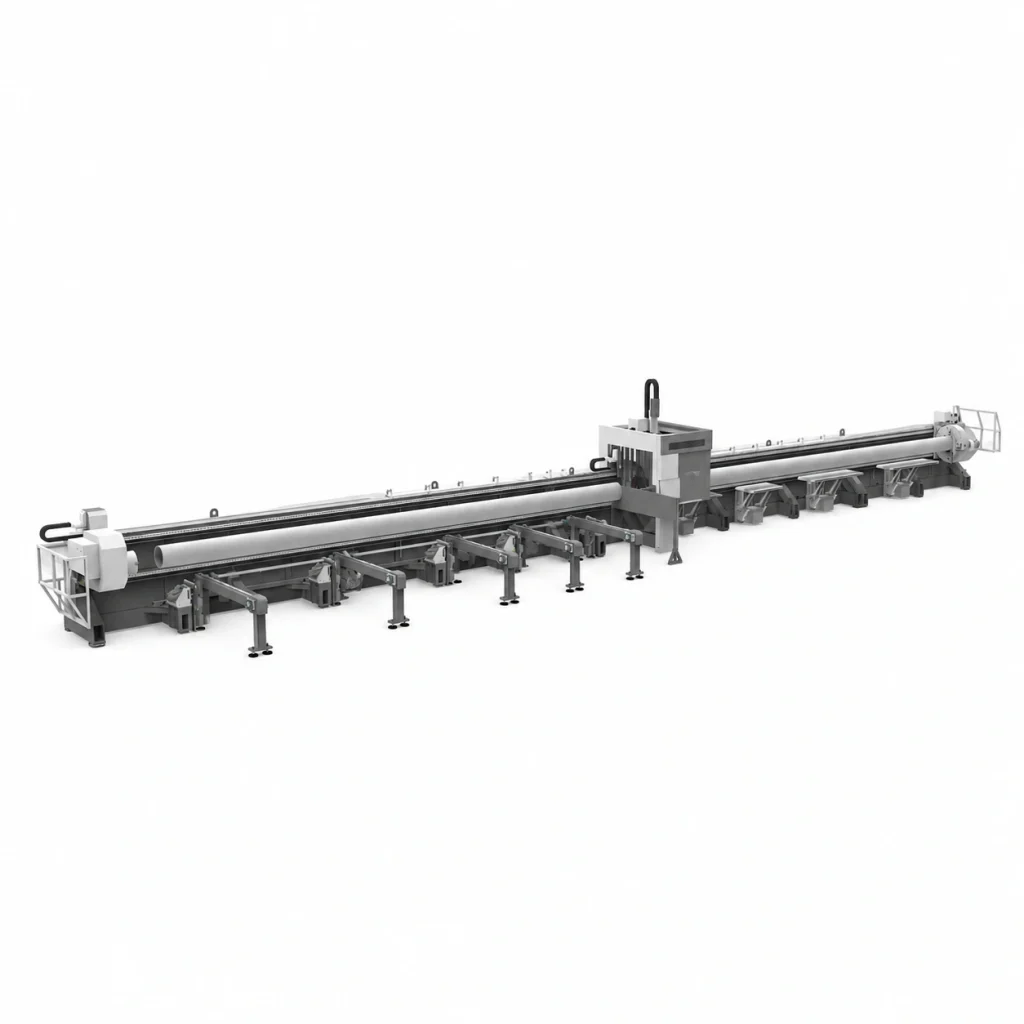
Fiber laser tube cutting is used in many industries that need accurate metal tube parts.
| Industry | Typical Tube Cutting Needs |
|---|---|
| Metal furniture | Frame tubes, holes, angled cuts, decorative features |
| Fitness equipment | Repeated tube parts, bolt holes, accurate joints |
| Automotive | Exhaust parts, brackets, lightweight structures |
| Construction | Structural tubes, connection holes, support frames |
| Machinery | Frames, guards, supports, welded assemblies |
| Railings | Stainless steel tubes, clean cuts, accurate fit-up |
| Agriculture | Equipment frames, supports, protective structures |
| Display racks | Square and rectangular tubes, repeated hole patterns |
Example 1: Stainless Steel Railings
A railing manufacturer may need clean angled cuts and screw holes on stainless steel tubes. Fiber laser tube cutting can reduce manual drilling and improve part consistency.
Example 2: Fitness Equipment Frames
Fitness equipment often uses repeated carbon steel tube parts. A tube laser cutter can produce holes, slots, and end cuts in one process, which helps speed up welding and assembly.
Example 3: Aluminum Furniture Tubes
Aluminum tubes are common in lightweight furniture. Fiber laser is often a better choice than CO2 for aluminum tube cutting because it handles reflective metals more effectively.
Fiber Laser Tube Cutting vs Traditional Tube Cutting Methods
Many buyers are not only comparing fiber laser with CO2. They are also comparing it with saw cutting, drilling, punching, plasma cutting, or outsourcing.
| Method | Main Limitation | Where Fiber Laser Helps |
|---|---|---|
| Saw cutting | Mostly straight cuts | Adds holes, slots, contours, and angled cuts |
| Drilling | Extra setup and labor | Cuts holes in the same CNC process |
| Punching | Tooling limits | More flexible for changing designs |
| Plasma cutting | More heat and wider kerf | Cleaner and more precise on many tube parts |
| Manual grinding | Labor-heavy and inconsistent | Reduces fitting and correction work |
| Outsourcing | Longer lead time and less control | Brings tube production in-house |
For factories with repeated tube parts, fiber laser tube cutting can reduce the number of tools, machines, and manual steps needed to finish one part.
FAQ About Fiber Laser Tube Cutting and CO2 Laser Cutting
Is fiber laser better than CO2 laser for cutting metal tubes?
Yes. For most industrial metal tube cutting applications, fiber laser is usually better than CO2. It is faster on many metals, uses less energy, needs less optical-path maintenance, and works better with reflective metals such as aluminum, brass, and copper. CO2 is still useful for many non-metal materials.
Why is fiber laser replacing CO2 laser cutting?
Fiber laser is replacing CO2 laser cutting in metal fabrication because it offers better metal cutting efficiency, lower maintenance, lower energy use, stronger reflective metal performance, and better compatibility with modern CNC automation.
What materials can a fiber laser tube cutting machine cut?
A fiber laser tube cutting machine can cut carbon steel, stainless steel, aluminum, galvanized steel, brass, copper, and other metals. The actual cutting ability depends on laser power, material grade, wall thickness, gas choice, and machine configuration.
How much laser power do I need for tube cutting?
It depends on the material, wall thickness, tube size, cutting speed, edge quality, assist gas, and daily production volume. Buyers should choose laser power based on stable production needs, not only the maximum thickness listed in a brochure.
Is CO2 laser cutting still useful?
Yes. CO2 laser cutting is still useful for non-metal materials such as acrylic, wood, glass, plastic, textile, leather, and paper. Fiber laser is mainly replacing CO2 in metal cutting applications, especially industrial metal tube cutting.
Conclusion: Fiber Laser Tube Cutting Is Becoming the Standard for Metal Tube Fabrication
Fiber laser tube cutting is replacing CO2 laser cutting in many metal tube applications because it gives factories a better mix of speed, efficiency, maintenance, material compatibility, automation, and long-term cost control.
For metal fabrication, the advantage is clear. Fiber laser can cut tube length, holes, slots, contours, and angled features in one CNC process. This helps reduce manual work and secondary processing.
CO2 laser cutting still has value, especially for non-metal materials. But for stainless steel, carbon steel, aluminum, brass, copper, and galvanized metal tubes, fiber laser is now the more practical choice for many modern factories.
Choosing the right machine depends on your material, tube shape, diameter, wall thickness, tube length, cut type, and production volume.
Looking for a fiber laser tube cutting machine for your factory?
Send your tube material, shape, diameter, wall thickness, tube length, drawings, and production volume. Riselaser can help recommend a suitable machine configuration for your cutting needs.