
Understanding the ROI of a handheld laser welder is crucial before making this significant capital expenditure. While the initial cost can be a barrier, a detailed analysis of the return on investment for a handheld laser welder reveals a compelling financial case: most businesses experience a full payback period of just 12 to 24 months The challenge lies in moving beyond the sticker price to see the complete financial picture. This guide provides a step-by-step framework for calculating the total cost of ownership and, more importantly, quantifying the substantial financial benefits. We will walk you through auditing every cost component and systematically evaluating gains from dramatic increases in productivity, reductions in material scrap, and the virtual elimination of post-weld finishing, empowering you to make a data-driven investment decision for your company’s future.
Is a Handheld Laser Welder Right for Your Business?
Before a single number is crunched, the decision to invest in a handheld laser welder begins with a strategic assessment of your current operations. An ROI calculation is only meaningful if the technology solves real, persistent problems that are holding your business back. If you recognize your own shop in the challenges below, you are on the right track.
A. Identifying Pain Points in Traditional Welding (TIG/MIG)

For decades, TIG and MIG have been the workhorses of the welding world. They are proven, reliable, and effective. However, they also come with inherent limitations that create operational bottlenecks and hidden costs. Do any of these sound familiar?
- Slow Welding Speeds: Particularly on thin gauge materials (under 4mm), traditional welding is a slow, methodical process. This directly limits the number of jobs you can complete in a day, capping your revenue potential.
- Excessive Post-Weld Cleanup: The wide heat-affected zone (HAZ) of TIG and MIG welding often requires significant post-weld grinding, sanding, and polishing to achieve a clean, presentable finish. This non-value-added labor can sometimes take longer than the weld itself.
- High Scrap Rates: Heat distortion, or warping, is a constant battle, especially on thin or heat-sensitive metals like aluminum and stainless steel. Every warped part is a costly piece of scrap, representing wasted material and labor.
- The Skilled Labor Gap: Finding and retaining expert TIG welders is increasingly difficult and expensive. The skill required to produce consistent, high-quality welds takes years to master, creating a significant dependency on a few key employees.
B. The Laser Welding Solution: Key Advantages
A handheld laser welder directly addresses these pain points with transformative advantages. It’s not just an incremental improvement; it’s a fundamental shift in how metal is joined.
- Unmatched Speed: Laser welders can be 4 to 10 times faster than TIG or MIG, dramatically increasing throughput. A seam that takes a minute to TIG weld can often be completed in seconds with a laser.
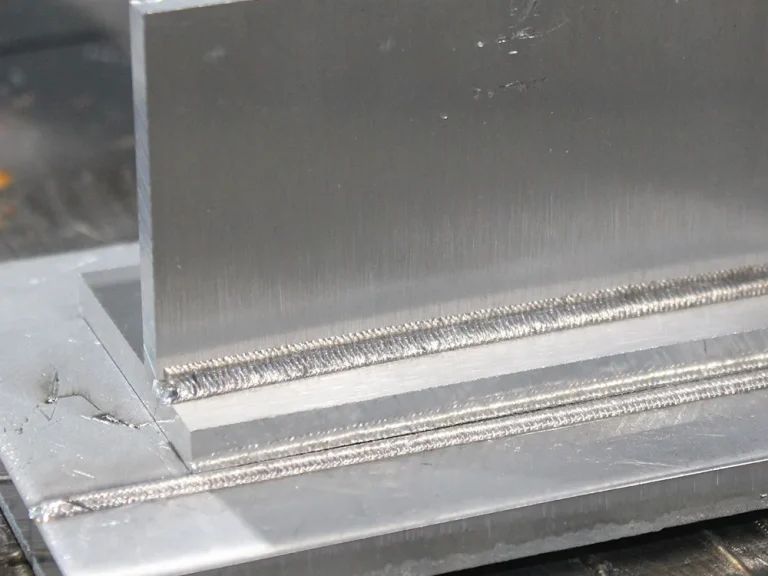
- Minimal Heat-Affected Zone (HAZ): The laser’s focused energy results in a deep, narrow weld with very little heat input into the surrounding material. This virtually eliminates warping and reduces the risk of metallurgical damage.
- Pristine Welds, No Cleanup: The process produces clean, aesthetic welds that require little to no post-processing. This frees up valuable labor hours to be spent on actual fabrication, not finishing.
- Shortened Learning Curve: While it still requires skill, operators can become proficient with a handheld laser welder in a matter of hours or days, not years. This dramatically expands your labor pool and reduces dependency on a small number of expert welders.
C. Defining Your “Why”: Setting Goals Before Calculating ROI
The final step in this strategic assessment is to define what success looks like for your business. Your primary motivation will shape which metrics are most important in your ROI calculation. What is your main objective?
- Is it to increase throughput and take on more jobs?
- Is it to improve the quality and consistency of your product?
- Is it to reduce your reliance on a tight labor market?
- Is it to enable new, innovative product designs that weren’t possible before?
By clearly defining your “why,” you can move forward to the next section—building the financial formula—with a clear understanding of the specific benefits you intend to measure.
II. The ROI Formula: Understanding the Core Metrics
At its heart, an ROI calculation is a simple comparison between what you invest and what you gain. The following formulas provide the mathematical foundation for our analysis. We will spend the rest of this guide breaking down how to accurately determine each variable for your specific operation.
A. The Basic ROI Formula
This formula tells you the percentage return you are getting on your investment annually. A result of 100% means you’ve earned back the entire cost of the investment in one year.
ROI (%) = [(Annual Financial Gain – Annual Cost of Investment) / Cost of Investment] x 100
- Annual Financial Gain: The total new value generated and costs saved by the machine in one year.
- Annual Cost of Investment: The yearly operational costs (power, consumables, maintenance). Note: this is not the upfront purchase price.
- Cost of Investment: The total upfront cost to acquire and implement the machine.
B. The Payback Period Calculation
This metric answers the most critical question for many business owners: “How long will it take for this machine to pay for itself?”
Payback Period (in years) = Total Initial Investment / Annual Net Savings
- Total Initial Investment: The complete upfront cost, including purchase price, shipping, installation, and training.
- Annual Net Savings: The total annual financial benefits minus the total annual operating costs.
C. Beyond the Numbers: The Importance of Qualitative & Strategic Benefits
While these formulas are essential, a purely quantitative analysis can miss some of the most significant advantages of adopting new technology. As you work through the calculations, don’t lose sight of the “soft” benefits that are difficult to assign a specific dollar value but have a massive long-term impact:
- Improved Employee Morale: Providing modern, efficient tools can boost job satisfaction and reduce physical strain.
- Enhanced Company Image: Adopting cutting-edge technology positions you as an industry leader to clients.
- Increased Process Flexibility: The ability to weld new materials or create complex designs opens doors to innovation.
These strategic advantages won’t appear in your initial ROI percentage, but they are crucial for long-term growth and competitiveness.
III. Step 1: Auditing the Total Cost of Investment (TCO)
The first step in any credible ROI calculation is to establish a comprehensive budget for the initial investment. This Total Cost of Investment (TCO), or Total Cost of Ownership, goes far beyond the price tag on the machine itself. Overlooking these ancillary costs is the most common mistake businesses make, leading to inaccurate projections.
A. Equipment Purchase Price
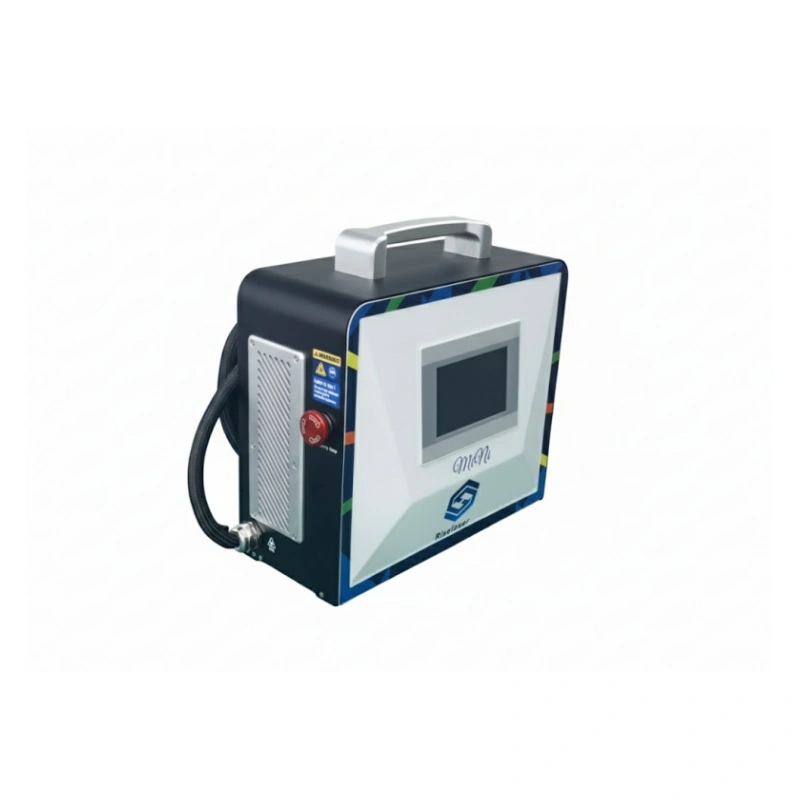
This is the most significant line item. The price of a handheld laser welder is primarily determined by its power output (in watts) and the reputation of the manufacturer. While prices fluctuate, here is a general market overview:
- 1500W Machines: Typically range from $2,000 to $4,000. Ideal for thin gauge materials (<3mm) like stainless steel, galvanized steel, and aluminum.
- 2000W Machines: A popular middle ground, priced between $3,000 and $8,000. Offers more versatility for materials up to 4-5mm thick.
- 2000W Machines: The higher end, costing from $6,000 to over $10,000. Required for thicker materials (up to 8mm) and high-speed production environments.
B. Setup, Installation, and Facility Modifications
Getting the machine onto your shop floor and running safely involves several costs:
- Shipping & Freight: Can range from a few hundred to over a thousand dollars depending on distance and machine weight.
- Installation & Commissioning: Some suppliers include this, while others charge a separate fee for a technician to set up the machine, calibrate it, and ensure it’s running correctly.
- Electrical Work: Most laser welders require a 220V or higher circuit. If your welding area isn’t already equipped, you’ll need to budget for an electrician.
C. Safety Equipment and Compliance (Non-Negotiable)
Laser safety is paramount and requires specific equipment. Do not treat these as optional.
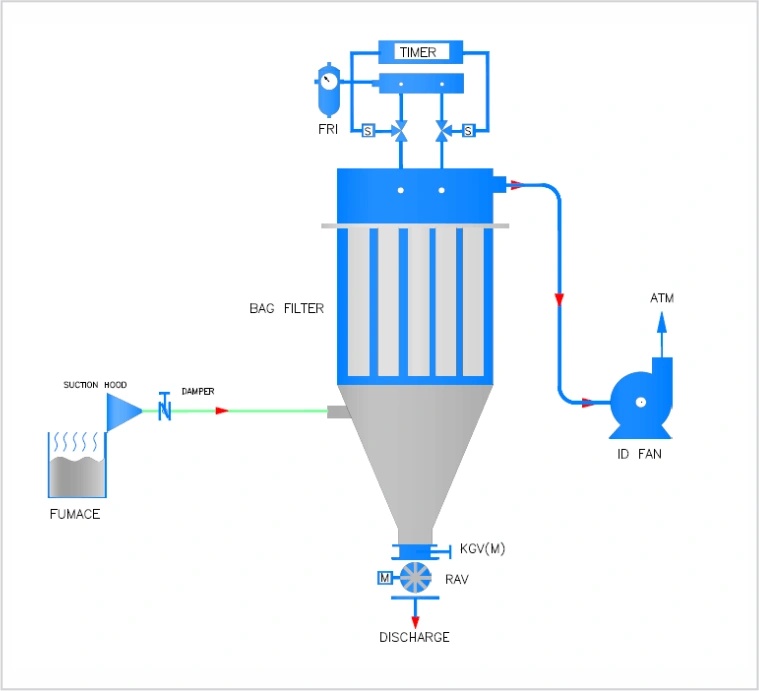
- Fume Extraction System: A high-quality fume extractor is essential to remove harmful particulates from the operator’s breathing zone. Cost: $1,000 – $2,000.
- Personal Protective Equipment (PPE): This includes certified laser safety glasses (specific to your laser’s wavelength), flame-retardant clothing, and gloves. Budget several hundred dollars per operator.
- Laser Safety Enclosure/Barriers: Depending on your shop layout, you may need to install laser-safe barriers or curtains to protect others in the vicinity from stray reflections.
D. Initial Training Investment
While the learning curve is shorter than for TIG, proper training is crucial for safety, efficiency, and quality.
- Vendor Training: Many manufacturers include a basic training session with the purchase.
- Advanced Training: For specialized applications or to train a lead operator who can then train others, you might consider more in-depth, paid training programs.
- “Hidden” Cost: Account for the non-productive time of your employees while they are being trained.
IV. Step 2: Calculating Annual Operating Costs
Once the laser welder is operational, you will incur ongoing costs. Accurately estimating these is crucial for calculating your net annual savings and payback period.
A. Energy Consumption
Laser welders are more energy-efficient than many traditional welding methods, but electricity is still a primary operating cost. The total power draw includes not just the laser source but also the water chiller and control systems.
- Estimating Power Draw: A 1500W laser system will typically draw between 6kW and 8kW from the wall. Check the manufacturer’s specifications for the exact total power requirement.
- Calculation: Annual Energy Cost = (Total kW Draw) x (Daily Hours of Operation) x (Working Days per Year) x (Cost per kWh) Example: A 7kW machine running 4 hours a day for 250 days at $0.15/kWh would cost: 7 4 250 * 0.15 = $1,050 per year.
B. Consumables
Unlike MIG welding with its constant wire feed, laser welding has very few consumables, but they are critical.
- Protective Lenses: A small, clear lens protects the main focusing optic from weld spatter. Depending on the cleanliness of the material being welded, a lens might last between 40 and 500 hours. A good annual estimate is 5-10 lenses at $20-$50 each.
- Nozzles (Tips): These copper tips direct the shielding gas and can wear out over time. They are relatively inexpensive, and you can budget $100-$200 per year for various types and replacements.
- Filler Wire (If Used): While many laser applications require no filler metal, if you are using the wire-feed function, this cost must be included, just as it would be for MIG or TIG.
C. Shielding Gas
Most laser welding applications require a shielding gas, typically Argon or Nitrogen, to protect the weld pool from atmospheric contamination.
- Flow Rate: Laser welding often uses a lower flow rate (around 15-20 L/min) compared to high-amperage TIG welding.
- Calculation: Estimate your “arc-on” time per day and use your gas supplier’s pricing to calculate annual cylinder costs. For many shops, this cost is comparable to or slightly less than their TIG/MIG gas expenses.
D. Routine Maintenance
The main routine maintenance task is managing the distilled water in the chiller.
- Distilled Water: The chiller must be filled with pure distilled water to prevent mineral buildup. The water should be changed every 3-6 months. This is a minimal cost.
- General Upkeep: Budget a nominal amount (e.g., $200/year) for miscellaneous upkeep, cleaning solutions, and potential service calls outside of warranty.
V. Step 3: Quantifying Annual Financial Gains
This section is where the investment begins to make sense. The financial gains from a laser welder are multi-faceted, stemming from dramatic improvements in efficiency and quality.
A. Labor Cost Savings: The Biggest Contributor
For most businesses, this is the single largest area of savings. Labor is expensive, and laser welding drastically reduces the hours required for a given job.
- 1. Calculate Time Saved on Welding:
- Baseline: Time a typical welding job using your current method (e.g., TIG). Let’s say a part takes 10 minutes (0.167 hours) to weld.
- Laser Time: Perform the same weld with a laser. The time might drop to 2 minutes (0.033 hours), a 5x improvement.
- Time Saved per Part: 0.167 – 0.033 = 0.134 hours saved.
- 2. Calculate Time Saved on Post-Weld Cleanup:
- Baseline: Measure the time spent grinding, sanding, or polishing the TIG-welded part. Let’s say this takes 15 minutes (0.25 hours).
- Laser Time: A clean laser weld often requires zero post-processing. Time saved = 0.25 hours.
- 3. Calculate Total Annual Labor Savings:
- Total Time Saved per Part: 0.134 (welding) + 0.25 (cleanup) = 0.384 hours.
- Annual Savings: (Time Saved per Part) x (Parts Produced per Year) x (Burdened Labor Rate)
- Example: If you produce 5,000 of these parts a year with a labor rate of $45/hour: 0.384 5000 $45 = $86,400 in annual labor savings.
B. Material Savings: Reducing Scrap and Rework
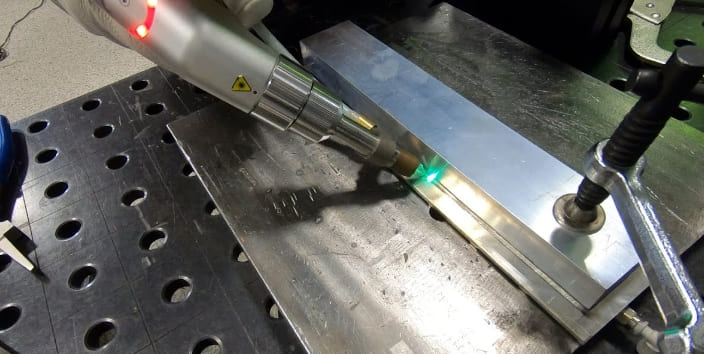
Heat distortion from traditional welding is a major source of cost. The minimal heat input of a laser all but eliminates this problem.
- 1. Determine Your Current Scrap Rate: Analyze your production records for a month. How many parts are scrapped due to weld-related warping or defects?
- 2. Calculate the Cost of Scrap:
- Cost per Scrapped Part = (Material Cost) + (Labor Invested Before Scrapping)
- 3. Calculate Annual Scrap Savings:
- Annual Savings = (Cost per Scrapped Part) x (Number of Scrapped Parts per Year)
- Example: If you scrap 20 parts a month at a total cost of $100 each: $100 20 12 = $24,000 in annual material savings.
C. Increased Capacity and New Revenue Streams
The time you save isn’t just a cost reduction; it’s newly available production capacity.
- Quantifying Increased Throughput: If the laser welder saves 400 hours of labor per year, that’s 400 hours you can now dedicate to welding more parts and taking on new jobs, directly increasing revenue without increasing your headcount.
- Enabling New Business: The precision of laser welding may allow you to bid on high-margin jobs you previously couldn’t, such as those involving delicate components, aesthetic requirements, or exotic materials. This represents a pure upside that should be factored into your long-term strategic view.
VI. Putting It All Together: Real-World ROI of a Handheld Laser Welder
Let’s apply these steps to a realistic scenario to see the formulas in action.
Case Study: Small Fabrication Shop
- Scenario: A shop specializes in custom stainless steel enclosures. Their primary bottleneck is the TIG welding process, which is slow and requires extensive grinding and polishing to meet aesthetic standards. They produce roughly 1,000 enclosures per year.
- Labor Rate: Their burdened labor rate (wages + benefits) for a skilled welder is $50/hour.
Step 1: Calculate Total Initial Investment
- 1.5kW Laser Welder (from price guide): $3,000
- Shipping & Electrical Work: $1,000
- Fume Extractor & PPE: $3,500
- Training (included with purchase): $0
- Total Initial Investment = $7,500
Step 2: Calculate Annual Operating Costs
- Energy ($0.15/kWh, 3 hrs/day): $850
- Consumables (Lenses, Nozzles): $450
- Shielding Gas: $1,200
- Maintenance: $200
- Total Annual Operating Costs = $2,700
Step 3: Calculate Annual Financial Gains
- Labor Savings:
- TIG Welding Time per Unit: 1 hour
- Post-Weld Grinding/Polishing: 1.5 hours
- Total TIG Time per Unit: 2.5 hours
- Laser Welding Time per Unit: 0.25 hours (15 mins)
- Post-Weld Cleanup: 0 hours
- Time Saved per Unit: 2.25 hours
- Annual Labor Savings: 2.25 hours/unit 1,000 units $50/hour = $112,500
- Material Savings:
- They scrap an average of 5 units per month due to heat distortion.
- Cost per unit (materials + labor): $150
- Annual Scrap Savings: 5 units/month 12 months $150/unit = $9,000
- Total Annual Financial Gain = $112,500 + $9,000 = $121,500
Step 4: Calculate the ROI and Payback Period
- Annual Net Savings: $121,500 (Gains) – $2,700 (Operating Costs) = $118,800
- Payback Period:
- $7,500 (Initial Investment) / $118,800 (Annual Net Savings)
- = 0.06 years, or less than 1 month
- First-Year ROI:
- [($121,500 – $7,500) / $7,500] x 100
- = 1520%
Conclusion for Case Study: In this scenario, the investment is overwhelmingly positive. By choosing an affordable entry-level machine that perfectly suits their needs, the shop achieves a payback period of under a month and a staggering first-year ROI. This frees up over 2,000 hours of skilled labor, allowing them to dramatically increase capacity.
Conclusion
In conclusion, a detailed and honest calculation of the ROI of a handheld laser welder is the most powerful tool for making a data-driven investment decision. By looking beyond the initial price and auditing every cost and benefit—from labor savings to reduced scrap—it becomes clear why this technology offers such a compelling return. For the right business, the question isn’t if a handheld laser welder is worth it, but how quickly it will begin to boost the bottom line.