
MOPA fiber laser color marking on stainless steel works by creating thin oxide layers on the metal surface. By precisely controlling pulse width, frequency, power, and scanning speed, the laser changes how light reflects from the surface, which produces visible colors without paint, ink, or chemicals. This makes it a practical solution for permanent branding, traceability, decorative marking, and product customization.
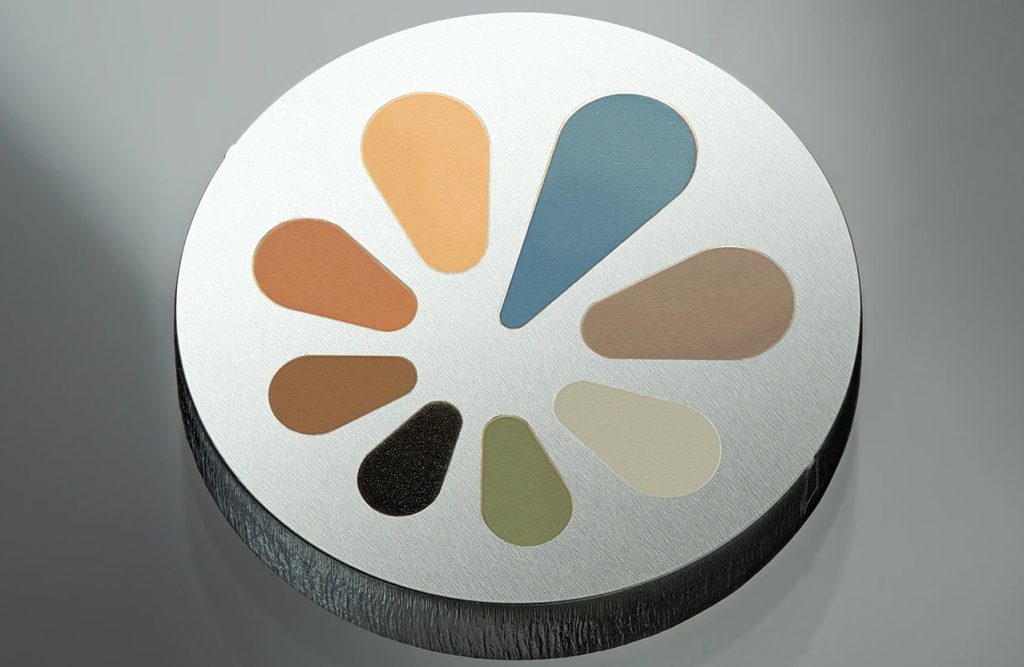
Stainless steel is widely used because it is strong, corrosion-resistant, and clean in appearance. With MOPA laser technology, it can also be color marked with durable shades such as gold, blue, purple, and black. Compared with traditional methods like painting or chemical etching, laser color marking is cleaner, more precise, and more permanent. For a broader look at available laser marking machines, see our overview of fiber, CO₂, UV, and MOPA systems.This guide explains how MOPA laser color marking works on stainless steel, what affects the final color, and where this technology is used in real production.
How Does MOPA Fiber Laser Color Marking Work on Stainless Steel?
MOPA fiber laser color marking on stainless steel works by creating a very thin oxide layer on the metal surface. When the laser applies controlled heat, the stainless steel reacts with oxygen in the air. This forms a transparent surface layer. The thickness of that layer changes how light reflects from the metal, which is what creates visible colors such as gold, blue, purple, and black.
The key process behind this effect is called thin-film interference. Part of the light reflects from the top of the oxide layer, while another part reflects from the metal underneath. As these light waves interact, some wavelengths are reinforced and others are reduced. The result is a visible color that depends on the exact thickness of the oxide film, a principle consistent with NIST research on interference colors and oxide film growth on steels.
This is why MOPA lasers are especially effective for stainless steel color marking. Unlike standard fiber lasers with more limited pulse control, MOPA lasers allow operators to adjust pulse width, frequency, power, and scanning speed more precisely. For a broader technology comparison, see our guide to CO2 vs. fiber vs. UV laser markers. That extra control makes it easier to manage heat input, build the right oxide thickness, and produce more stable and repeatable colors.
In simple terms, a MOPA laser does not add ink, paint, or dye to the surface. It changes the stainless steel itself at a microscopic level. That is what makes laser color marking clean, permanent, and highly suitable for branding, traceability, decorative marking, and industrial part identification.
What Colors Can a MOPA Laser Produce on Stainless Steel?
A MOPA laser can produce a wide range of colors on stainless steel, including light yellow, gold, orange, bronze, red, purple, dark blue, light blue, green, yellow-green, and darker grey tones. In some cases, black-like effects may also be possible, depending on the stainless steel grade, surface finish, and parameter settings. In production environments, a fiber laser marking machine is commonly used for permanent logos, serial numbers, QR codes, and stainless steel part identification.
These colors are not created with ink, paint, or coatings. Instead, the laser forms a thin oxide layer on the stainless steel surface. As the thickness of that transparent layer changes, it changes how light reflects from the metal, which is what creates different visible colors.
In general, the color sequence changes as the effective laser energy input increases. Lower energy levels tend to produce lighter tones such as yellow and gold. As heat input rises, the result can shift toward orange, bronze, red, purple, blue, and green. However, the exact color range is not always identical from one application to another. Stainless steel grade, surface preparation, polishing quality, and laser settings all influence the final result.
This is one reason MOPA lasers are especially suitable for stainless steel color marking. Because they allow more precise control over pulse width, frequency, power, and scanning speed, they make it easier to produce more stable, repeatable, and visually consistent colors than many standard fiber laser systems
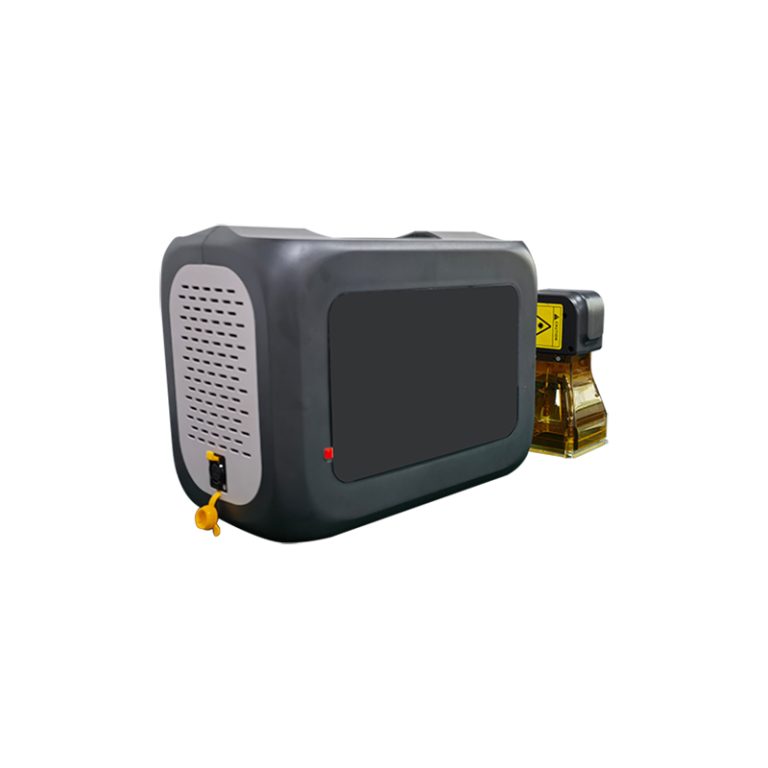
Stainless Steel Color Control: Optimizing Laser Parameters
Achieving specific, repeatable stainless steel color requires careful control of the laser’s operating parameters. These settings directly influence the heat delivered to the surface. This heat governs the oxide layer’s thickness and properties, which determine the final color. Optimizing these laser parameters is essential for mastering the color palette.
The Interplay of Critical Laser Settings
Laser parameters work together. Changing one setting often requires adjusting others. Key parameters include:
- Laser Power (Average Power): Higher power increases surface temperature quickly. This can lead to thicker oxide layers and different colors if other parameters remain constant. Excessive power can cause unwanted ablation or surface damage.
- Scanning Speed: This is how fast the laser beam moves across the steel. Slower speeds increase the laser’s dwell time on each spot. More energy is absorbed, typically resulting in thicker oxides and a progression through the color sequence. Faster speeds reduce heat input.
- Pulse Frequency (Repetition Rate): Measured in kHz, this is the number of pulses per second. High frequencies can cause heat accumulation between pulses. This affects oxide growth and surface finish. Lower frequencies allow more cooling time. Pulse overlap, determined by frequency and speed, also impacts uniformity.
- Pulse Duration (Pulse Width – MOPA Specialty): MOPA lasers allow adjustment of each pulse’s duration (often nanoseconds). Shorter pulses deliver energy rapidly with high peak power and minimal heat spread. This enables fine control for thin oxides. Longer pulses deposit more heat energy per pulse, promoting thicker oxides. Tuning this parameter is crucial for MOPA’s color range and quality. If you are comparing source options, our guide to Raycus vs JPT laser source explains how Q-switched and MOPA architectures affect marking flexibility.
Techniques for Color Consistency
Operators use several techniques to refine color output and ensure uniformity:
- Defocusing: Color marking often uses intentional defocusing. Adjusting the laser’s focal point relative to the surface changes the spot size and energy density. Moving the focus slightly above or below the surface spreads the energy. This allows gentler heating and more controlled oxide growth. Varying the defocus amount helps dial in specific colors.
- Thermal Management: Controlling heat build-up is vital, especially on thin materials or large areas. Optimized parameters, specific marking patterns (hatching), and allowing cooling time can manage heat.
- Hatch Strategies (Fill Patterns): The pattern used to fill an area affects the result. Hatch patterns (e.g., linear, cross-hatch) and line spacing influence heat distribution, pulse overlap, and color uniformity.
The Color Sequence and Laser Energy
A predictable sequence of colors typically appears as the effective laser energy input increases. This sequence results from the increasing thickness of the transparent oxide layer:
- Typical Sequence: Light Yellow → Gold → Orange → Brown/Bronze → Red → Purple → Dark Blue → Light Blue → Green → Yellow-Green → Darker Green/Grey. (Note: Exact hues depend on steel grade, surface finish, and laser system.)
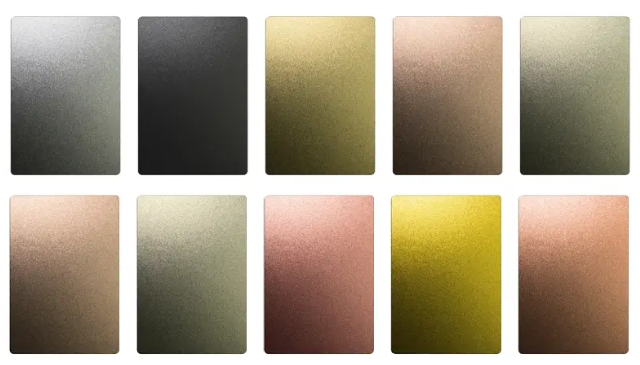
To get a certain color, you need to find the exact settings. These settings create the right oxide thickness. This thickness causes light to bounce in a way that shows the color you want. It takes careful testing to get it just right. This often involves systematic testing and creating parameter matrices. Mastering stainless steel color control involves understanding and manipulating these parameters skillfully.
Which Stainless Steel Grades and Surface Finishes Work Best?
The grade and surface finish of stainless steel can strongly affect color marking results. Austenitic grades such as 304 and 316 are commonly used and often produce excellent results. Ferritic and martensitic grades can also be marked, but the optimal settings may differ. A smooth, clean surface usually gives the most consistent and vibrant colors, while rough, dirty, or uneven finishes can lead to patchy or less predictable results.
Laser Color Marking Applications and Advantages on Stainless Steel
MOPA laser marking has special abilities for coloring stainless steel. This makes it popular in many different industries. It can create marks that are strong, exact, and look good. These features meet the needs of both factories and everyday customers.
Diverse Industrial and Consumer Uses
Laser color marking finds applications where performance and appearance are critical:
- Medical Devices: This field requires permanent, biocompatible markings that withstand sterilization.
- UDI Marking: Laser marking makes strong Unique Device Identification codes on instruments. These codes include barcodes and serial numbers. They are made right on the metal surface. This meets FDA rules and other laws for tracking devices.
- Color-Coding: Applying distinct colors aids instrument identification during surgery, enhancing safety.
- Branding: Permanent logos mark high-value medical equipment.
- Consumer Electronics & Luxury Goods: Aesthetics and personalization are key drivers.
- Premium Branding: Vibrant, wear-resistant logos, model names, or patterns enhance phone casings, watches, appliances, and jewelry.
- Personalization: Custom color designs add value to accessories and gifts.
- Automotive and Aerospace: These sectors need robust part identification.
- Permanent Part Marking: Serial numbers, QR codes, or logos mark parts that face tough conditions. These marks help track the parts easily. They also stop fake copies from being made. This keeps products safe and reliable.
- Decorative Elements: Durable color accents can enhance trim pieces.
- Promotional Items & Signage: Visual impact and durability are valued.
- High-quality color logos mark metal business cards, awards, and merchandise.
- Durable color elements enhance signage.
- Industrial Tools & Components: Clear identification improves usability.
- Tools, gauges, and parts receive durable color markings with logos, specifications, or instructions.
Key Advantages Driving Adoption
Laser color marking has many important benefits. It can create fine lines, detailed patterns, and small colored text with high clarity. The process is also very fast, making it great for production lines. It doesn’t use inks, solvents, or chemicals. This means it’s a clean method that only needs electricity, which helps reduce waste and protect the environment. Adding color makes products look better and stand out. This can also make them seem more valuable. The marks are very durable because they form an oxide layer on the steel. They resist rubbing, heat, chemicals, and cleaning without peeling or flaking. You can easily change designs, colors, text, and serial numbers using software. This allows for mass customization. The process doesn’t touch the metal directly, so it won’t damage delicate parts.
These advantages make laser color marking an essential tool for manufacturers seeking advanced surface treatment solutions for stainless steel products.
Stainless Steel Color Marking: Challenges and Innovations
While MOPA laser marking provides powerful capabilities for stainless steel color, challenges exist. Understanding these limitations is important. Continuous innovation, however, actively addresses these issues, expanding the technology’s potential.
Current Hurdles and Limitations
Successful implementation requires managing several factors:
- Material Sensitivity: Color results change a lot depending on the stainless steel grade. Even small differences in batch or surface finish can change the final color. This means materials must be carefully controlled. Testing different settings is also important to get the right color.
- Surface Consistency: A uniform surface is crucial. Roughness, contamination, or inconsistent pre-treatment can lead to patchy colors. Meticulous cleaning and preparation are vital.
- Heat Management: Too much heat, especially on big or thin parts, can cause unwanted color changes or warping. You need the right settings and plans to avoid this.
- Long-Term Color Durability: The thin oxide films are strong but can wear down with heavy rubbing or harsh chemicals over time. Scientists are still studying how long sunlight affects color fading. Usually, the colors stay stable. Research is working on making the colors last even better in tough environments.
- Uniformity on Complex Geometries: Getting the same color on curved or tricky surfaces is hard. This happens because the laser hits the surface at different angles and focus points.
Recent and Future Innovations
Significant advancements enhance capabilities and address limitations:
- Next-Generation MOPA Lasers: They offer wider pulse duration ranges that can reach into picoseconds. The pulse shaping is also better, and the power is higher. These changes let users control heat and surface effects more precisely. This helps create new colors and makes results more consistent.
- Artificial Intelligence (AI): Machine learning algorithms analyze data to predict optimal laser parameters faster than manual testing. AI can also aid automated quality control.
- In-Situ Process Monitoring: Integrated sensors (cameras, spectrometers) monitor color formation in real-time. This feedback helps the system adjust settings on its own. It keeps things steady even when the material changes.
- New Laser Techniques: Research is looking into ultra-short pulse lasers called femtosecond lasers. These lasers make color in a different way by creating tiny structures on the surface. This is called nano-structuring or structural color. It might make the colors last longer or give new color options. Scientists are also testing how using special gas environments during marking can help.
These innovations continue to refine laser color marking, making it more reliable, versatile, and accessible.
The Future of Stainless Steel Color Marking
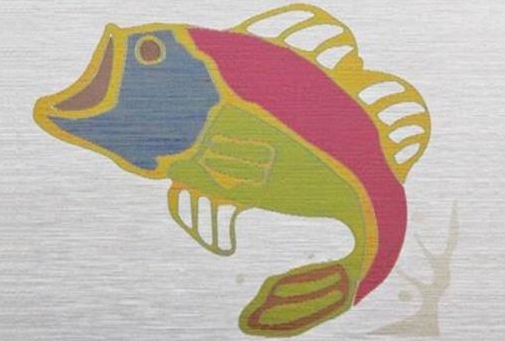
Laser color marking is a big step forward in treating stainless steel surfaces. MOPA fiber laser technology gives the precise control needed to create strong, lasting colors by changing the metal’s surface. This method has many benefits: it is precise, durable, eco-friendly, makes products look better, and allows easy customization. It is used in important fields like medical devices, aerospace, cars, and consumer products.
There are still challenges, such as how different steel types affect color and how colors hold up over time. But new advances are helping solve these problems. Better MOPA lasers, AI that finds the best settings, and real-time monitoring all improve consistency and results. New laser methods might also create more colors and make markings even tougher. If you are planning to adopt this process, see our breakdown of how much a laser marking machine costs in 2026.
FAQs
MOPA fiber laser color marking works by creating thin oxide layers on the stainless steel surface. By controlling pulse width, frequency, power, and scanning speed, the laser changes how light reflects from the surface, which produces visible colors without paint, ink, or coatings.
No. Some standard fiber lasers can produce limited color effects, but MOPA fiber lasers are generally better for stainless steel color marking because they offer more precise control over pulse width and heat input. This makes it easier to create a wider and more repeatable color range.
Grades such as 304 and 316 stainless steel are commonly used for laser color marking and often give excellent results. Surface condition also matters. Smooth, clean, and polished surfaces usually produce more consistent and vibrant colors than rough or contaminated ones.
Uneven color usually happens because of inconsistent heat input, poor surface preparation, or unstable parameter settings. Stainless steel grade, surface finish, scanning speed, pulse frequency, and focus position can all affect color uniformity.
Yes, black or black-like effects may be possible on stainless steel, depending on the material grade, surface finish, and laser settings. In many cases, achieving a dark mark requires careful control of pulse width, frequency, power, and scanning speed.
Yes. Laser color marking is generally considered permanent because it changes the stainless steel surface itself instead of adding paint or coatings. The resulting marks are durable and can resist wear, heat, and many cleaning processes when the process is properly controlled.