
Handheld laser welding machines are very efficient and precise tools. They use a focused laser beam to melt a small area of metal. When the metal cools, it forms a strong bond. These welders are very versatile. They can work on many types of metals. Common materials include various kinds of steel (such as carbon steel, stainless steel, and alloy steel), aluminum and its alloys, and copper and its alloys. Other metals like titanium alloys, galvanized sheet, and various iron materials can also be effectively welded. This wide range makes handheld laser welders suitable for many metalworking jobs.
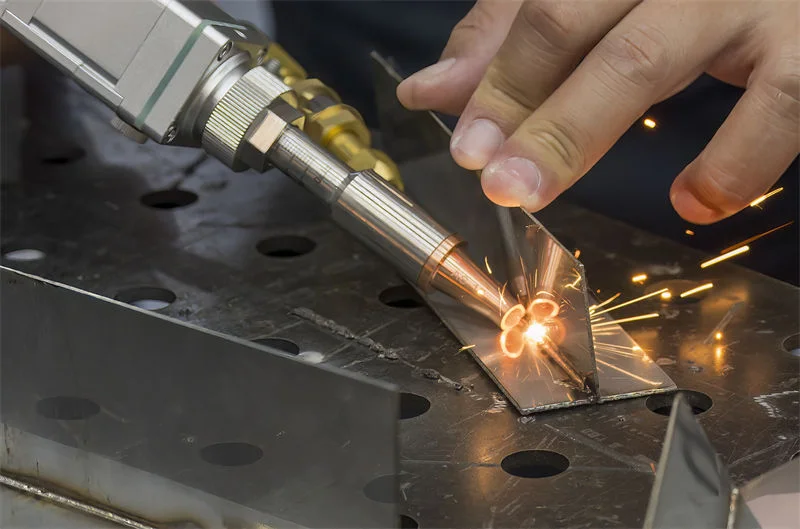
Laser Welding Steel (Carbon, Stainless, Alloy)
Steel is one of the most common materials joined using laser welding. This includes types like carbon steel, stainless steel, and alloy steel. Handheld laser welders are precise and fast, making them very effective for steel work. These welders are widely used in industries such as automotive, construction, and shipbuilding. They help connect steel structures, pipes, and vehicle parts efficiently. Using laser welding on steel improves production speed and can lower costs. The welds benefit from steel’s natural strength and toughness. This ensures strong and reliable connections for many applications.
Laser Welding Aluminum & Aluminum Alloys
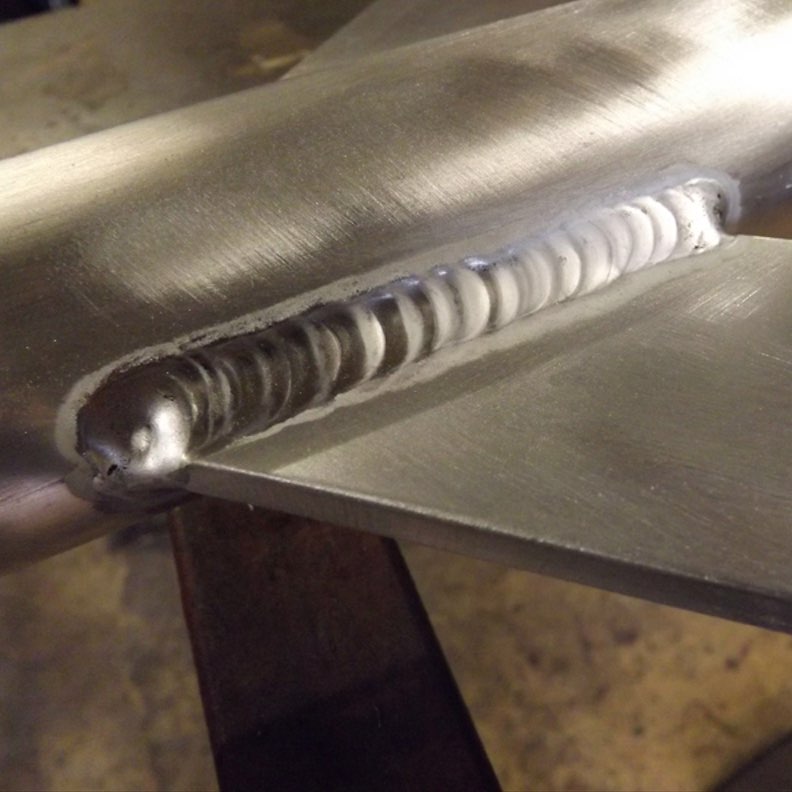
Aluminum is light, conducts heat well, and resists corrosion. It’s used a lot in aerospace, cars, and packaging. But welding aluminum with traditional methods like arc or TIG welding can be tricky. Handheld laser welding machines solve many of these problems. They weld aluminum with more precision and speed. This reduces common issues like splatter and holes in the weld. By adjusting the laser’s power and speed, operators can limit heat damage and warping. This results in clean, high-quality welds. Laser welding doesn’t touch the metal, so it avoids contamination and oxidation. These advantages make handheld laser welding a fast and efficient choice. It’s especially good for large production runs with aluminum and its alloys.
Laser Welding Copper & Copper Alloys
Copper and its alloys are prized for their excellent electrical and thermal conductivity. These properties make copper useful in many fields but also create challenges for welding. Laser welding helps by focusing heat quickly and exactly where it is needed. This reduces the heat-affected zone (HAZ) and limits damage to surrounding areas.
This precision makes laser welding ideal for copper parts in electronics, pipelines, and detailed components. The laser can create very small, accurate weld spots. This is perfect for micro-welding tasks like circuit board work. Handheld laser welders give operators fine control over the weld seam. They also help improve production speed and efficiency.
Because copper conducts heat so well, the heat spreads away from the weld zone very fast. This means it takes careful control of laser settings and often higher power to get a good weld. Enough heat must be delivered quickly before it dissipates. With the right adjustments, laser welding can produce strong, clean welds on copper despite its challenges.
Other Weldable Metals & Parameter Considerations
Handheld laser welding machines can weld more than just steel, aluminum, and copper. They also work well on metals like galvanized sheet, titanium alloys, and different types of iron. Stainless steel, which is a kind of steel, is also commonly welded with great results.
Each metal has its own unique traits. These include things like melting point and how well it conducts heat. These traits affect how the metal reacts to the laser beam.
To get the best welds, you need to adjust the settings carefully. This means changing laser power, welding speed, and focus position. Sometimes, shielding gas is needed too. Testing and fine-tuning these settings for each material is very important. This helps make strong, clean, and reliable welds every time.
Conclusion
In summary, handheld laser welding machines offer remarkable versatility for joining various metals, including steel, aluminum, copper, titanium, galvanized sheet, and iron. Their precision and speed provide significant advantages over traditional methods for many applications. However, achieving optimal results always requires careful adjustment of welding parameters based on the specific material’s properties.
Unsure which welder fits your application? Get in touch for a free consultation.