
A handheld laser welder can be a smart investment, but it is not the right choice for every shop. Many buyers are drawn to the speed, clean welds, and lower heat input. They want less grinding, less distortion, and better-looking results. In the right type of work, those benefits are real. A handheld laser welder can improve productivity and reduce post-weld cleanup. It can also help shops deliver more consistent weld quality on thin metal parts.
At the same time, a higher machine price does not automatically mean better value. For some businesses, a handheld laser welder pays off quickly. For others, the work mix, material thickness, budget, or shop setup may make TIG or MIG a better fit. The real question is not whether laser welding is impressive. The real question is whether it matches your daily production needs. This guide explains when a handheld laser welder is worth buying, when it is not, and what factors matter most before you make the decision.
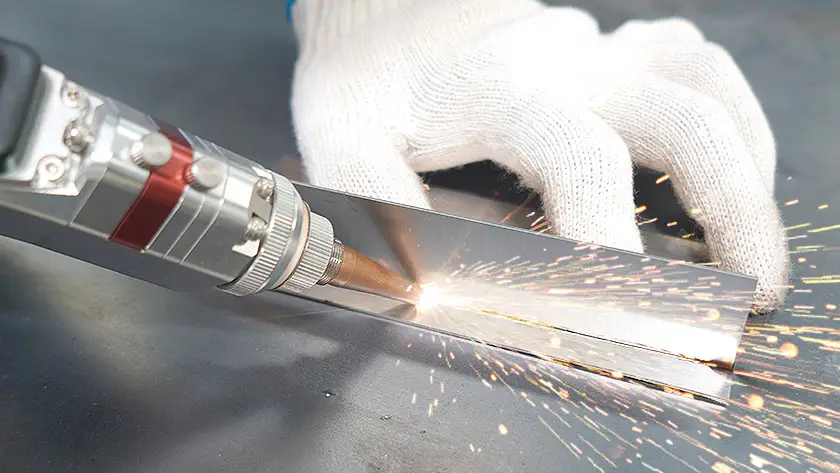
Quick Answer: Is a Handheld Laser Welder Worth It?
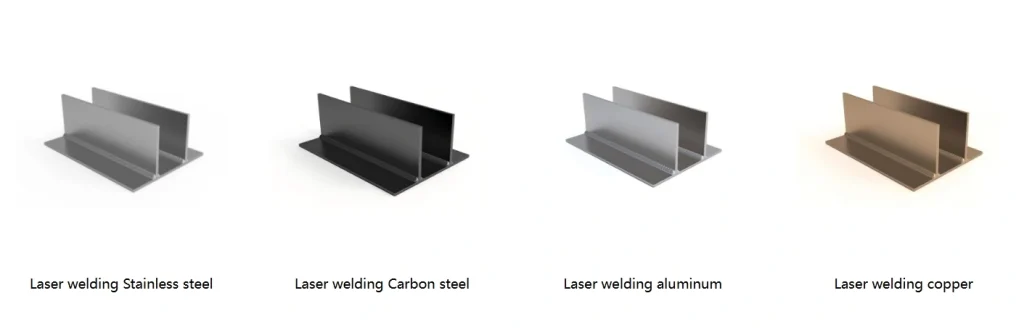
Yes, a handheld laser welder can be worth it, but only for the right type of work. It usually makes the most sense for shops that weld thin stainless steel, carbon steel, or aluminum and want faster production, cleaner welds, and less grinding after welding. It can save time and improve weld appearance. However, it is not always the best choice for thick structural work, very tight budgets, or shops that do not need high cosmetic quality. The real value depends on your materials, thickness range, labor costs, and how much time you spend on rework and cleanup.
Who Gets the Most Value From a Handheld Laser Welder?
The answer becomes clearer when you look at where handheld laser welding creates the most practical value. In general, it works best in shops that handle thin metal and care about speed, weld appearance, and lower post-weld labor. In these environments, the goal is not only to join metal, but also to reduce grinding, polishing, straightening, and rework after welding.
Stainless Steel Fabrication Shops
Stainless steel fabrication shops often get strong value from handheld laser welding. This includes businesses that make cabinets, kitchen equipment, decorative metal products, enclosures, and other visible metal parts. In this type of work, weld appearance matters. A cleaner seam and lower heat input can reduce finishing time and help the final product look better.
Sheet Metal and Light Fabrication Shops
Sheet metal and light fabrication shops can also benefit. If your shop works with thin carbon steel, stainless steel, or aluminum parts on a regular basis, a handheld laser welder may help you work faster than TIG while keeping better control than many traditional methods. This is especially useful when parts need clean seams and low distortion.
Custom Fabrication Shops With Mixed Jobs
Custom fabrication shops may also find it worthwhile, especially when they handle small to medium production runs. A handheld laser welder can be a good fit for mixed jobs where flexibility matters. It allows shops to handle different parts without fully moving to a robotic system. For many businesses, that balance between speed and flexibility is one of the biggest advantages.
Repair and Precision Metalwork Businesses
Repair work and precision metalwork can also be a good fit. When heat control is important, a handheld laser welder can help reduce distortion and limit damage to nearby areas. This can be useful for fine metal repairs, thin parts, and jobs where a clean finish is important.
Shops That Spend Too Much Time on Cleanup
Some shops get value from handheld laser welding not because welding itself is too slow, but because the cleanup after welding takes too much time. If your team spends a lot of time grinding, polishing, or fixing weld appearance, a handheld laser welder may improve the whole workflow, not just the welding step.
A Simple Rule of Thumb
In general, a handheld laser welder is most worth it for shops that weld thin materials, care about appearance, and want to reduce cleanup time after welding. It is usually less about replacing every welding process and more about improving the jobs where speed, finish, and heat control matter most.
When a Handheld Laser Welder Is Not Worth Buying
That said, a handheld laser welder is not the best choice for every shop. While it offers clear advantages in the right conditions, there are also cases where the investment may not make practical or financial sense. The key is to match the machine to the real work you do every day, not just the marketing claims.
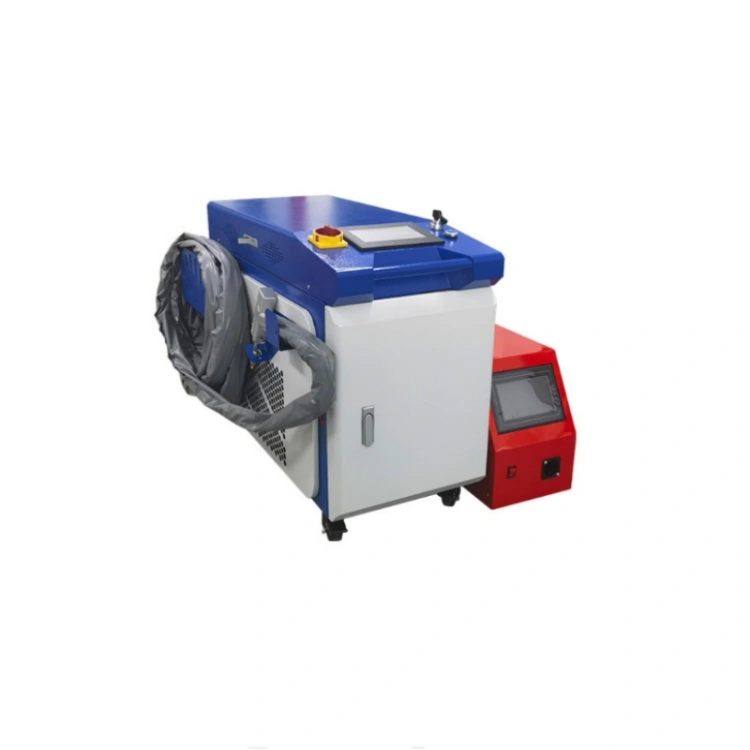
Shops That Mainly Weld Thick Structural Steel
If your work mostly involves thick structural steel, a handheld laser welder may not be the most practical option. Heavy sections often need deeper penetration, larger weld volume, and more filler material. In those cases, MIG or other traditional welding methods are often more suitable. A handheld laser welder can perform well on thin to medium-thin materials, but it is not the best tool for every heavy-duty job.
Shops With Very Low Cosmetic Requirements
Some businesses do not need smooth or highly attractive welds. If your welded parts will be ground heavily, painted, coated, or hidden in final assembly, the visual advantage of laser welding may not matter much. In that case, paying more for a cleaner weld may not bring enough real value to justify the higher equipment cost.
Shops Working With Very Tight Budgets
A handheld laser welder can reduce labor and finishing time, but the machine price is still much higher than many basic TIG or MIG systems. If your budget is very limited, the upfront cost may be hard to justify. This is especially true for small shops that do not yet have enough consistent welding volume to recover the investment in a reasonable time.
Shops That Are Not Ready for Process Changes
Buying a handheld laser welder is not just buying a new machine. It also means changing part of your workflow. Operators need training. Parameters need testing. Some jobs may need different joint preparation, shielding gas settings, or work habits. If your team is not ready to adjust, the machine may not deliver its full value.
Shops That Rarely Weld Thin Metal
Handheld laser welding makes the most sense when a shop regularly works with thin stainless steel, carbon steel, or aluminum. If most of your welding work is outside that range, the machine may not be used enough to justify the investment. A machine that sits idle most of the time is rarely a smart purchase.
Shops Expecting Instant Results Without Training
Some buyers assume a handheld laser welder will solve every welding problem right away. That is not realistic. While it is easier to learn than TIG for many basic tasks, good results still depend on setup, material type, operator skill, and correct parameter choices. If a shop expects perfect results without training or testing, disappointment is likely.
A Practical Buying Mindset
A handheld laser welder is usually not worth buying when the job type, budget, or workflow does not support its strengths. It is not a universal replacement for TIG or MIG. It is a tool that works best when speed, low distortion, and clean weld appearance matter enough to create real business value.
The Benefits That Actually Matter in Daily Production
If the machine is a good fit, the next question is where the value really shows up. A handheld laser welder can look impressive in a demo, but the real test is whether it improves daily work in the shop. The most important benefits are not just about new technology. They are about saving time, reducing extra labor, and producing cleaner results with less effort after welding.
Faster Welding on Thin and Medium-Thin Metal
One of the biggest advantages of a handheld laser welder is speed. Because laser welding uses a highly concentrated heat source, it can work very quickly on thin materials while still producing a narrow and controlled seam. In real production, that speed can help shops move more parts through the same workflow without adding more labor.
Less Grinding, Polishing, and Rework
For many shops, the biggest value does not come from welding speed alone. It comes from cutting down the time spent after welding. If a weld comes out cleaner and more consistent, workers may spend less time grinding, polishing, and fixing visual defects.
This can make a big difference in industries where weld appearance matters. A cleaner seam may reduce finishing labor, shorten delivery time, and lower the chance of rework. In many cases, this is one of the most practical reasons a handheld laser welder feels worth the investment.
Lower Heat Input and Less Distortion
A handheld laser welder usually puts less heat into the workpiece than many traditional welding methods. That lower heat input helps reduce distortion, warping, and damage to nearby areas. This is especially useful on thin sheet metal and parts that need to stay straight after welding. As TWI notes in its overview of the benefits of using lasers for welding, the process is well known for high speed and low distortion in the right applications.
Cleaner Weld Appearance
Weld appearance is not important in every job, but in many shops it matters a lot. A cleaner weld can improve the final look of stainless steel products, cabinets, enclosures, furniture, decorative metalwork, and other visible parts.
Better weld appearance can also support customer confidence. When a finished product looks clean and professional, it is easier to present it as high-quality work. In some markets, that visual difference has real business value.
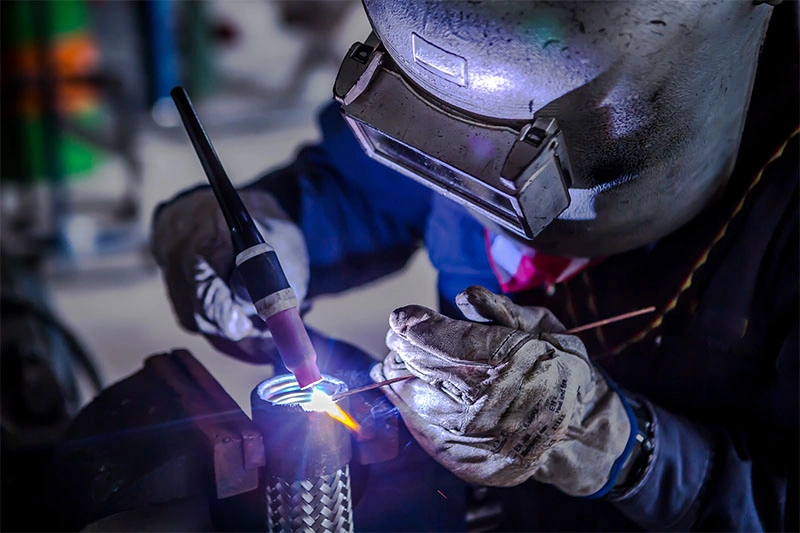
Easier to Learn Than TIG for Basic Production Work
A handheld laser welder is not a no-skill machine, but many operators find it easier to learn than TIG for basic shop tasks. It can be easier to produce a neat seam with less hand control than a traditional TIG process requires. For shops that want to improve output without a long learning curve, this can be an important advantage.
Why These Benefits Matter in Real Business Terms
The real value of a handheld laser welder is not based on one feature alone. It comes from the combined effect of faster welding, less cleanup, lower distortion, and more consistent results. When those benefits match the type of work a shop does every day, the machine can improve both productivity and profit. When they do not match the work, the same machine may be much harder to justify.
The Hidden Costs Buyers Often Miss
Benefits matter, but they are only half of the picture. A handheld laser welder can improve speed and weld quality, but the machine price is only part of the real cost. Many buyers focus on the purchase price first. That is understandable, but it can lead to the wrong decision. To know whether a handheld laser welder is truly worth it, you also need to look at the extra costs that come with daily use, setup, and long-term operation.
The Machine Price Is Only the Starting Point
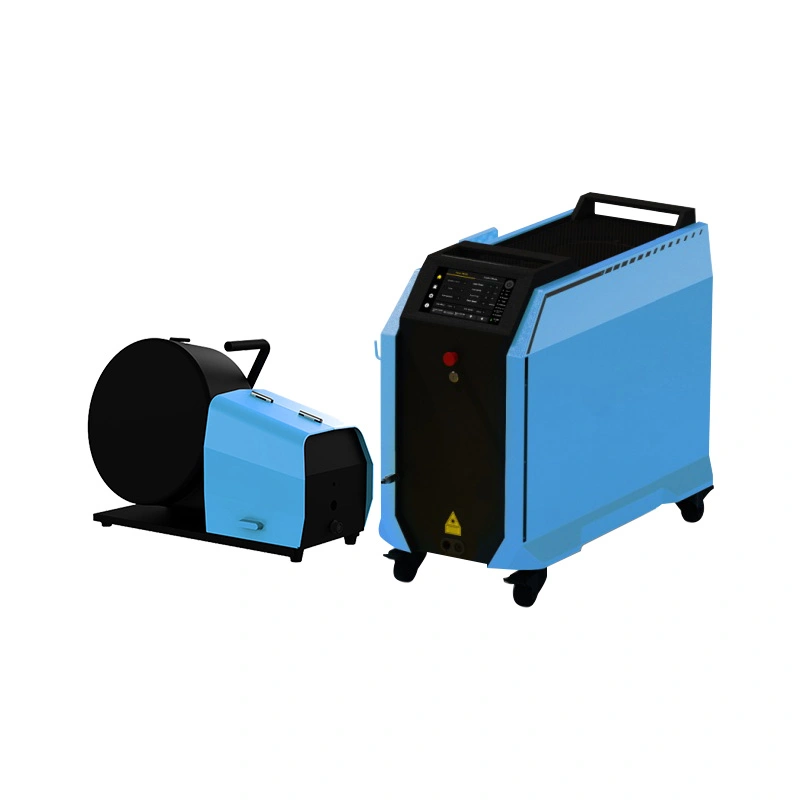
The first hidden cost is simple: the machine itself is not the full investment. Buyers may also need to think about shipping, installation, spare parts, and optional features such as a wire feeder or different cooling setups. In some cases, the total cost is much higher than the basic quoted price.
Consumables and Routine Maintenance Add Up
A handheld laser welder is not a zero-maintenance machine. Over time, parts such as protective lenses, nozzles, and other wear items may need cleaning or replacement. The cooling system and shielding gas setup also need regular attention. If these routine costs are ignored, the long-term operating budget can be underestimated.
Shielding Gas and Daily Operating Costs Matter
Shielding gas is another cost that buyers sometimes overlook. Daily operation also includes electricity, machine downtime during maintenance, and the small but repeated costs that come with normal production use. A machine can save labor while still adding other operating costs that should be part of the decision.
Safety Setup Is Part of the Investment
A handheld laser welder also comes with safety requirements. Shops may need proper eye protection, controlled work areas, and fume management depending on the material and production environment. For a fuller breakdown of PPE, hazard control, and work area setup, see our comprehensive guide to laser welding safety.
It also helps to reference recognized safety resources. OSHA’s laser hazards overview is a useful starting point for understanding beam-related risks, and the NIOSH guidance on welding fumes is helpful when reviewing exposure concerns in real shop environments.
Training and Process Adjustment Take Time
Another hidden cost is the time needed to get good results. Even though handheld laser welding is often easier to learn than TIG for basic tasks, operators still need training. Shops may also need time to test settings, refine joint preparation, and adjust welding habits.
Downtime and Misuse Can Reduce the Value
A handheld laser welder only makes sense when it is used often enough and used correctly. If the machine sits unused, or if the shop buys the wrong power level for its actual work, the return becomes much weaker. This is why the buying decision should start with real production needs, not just with interest in new technology.
Handheld Laser Welder vs TIG and MIG in Real Shop Work
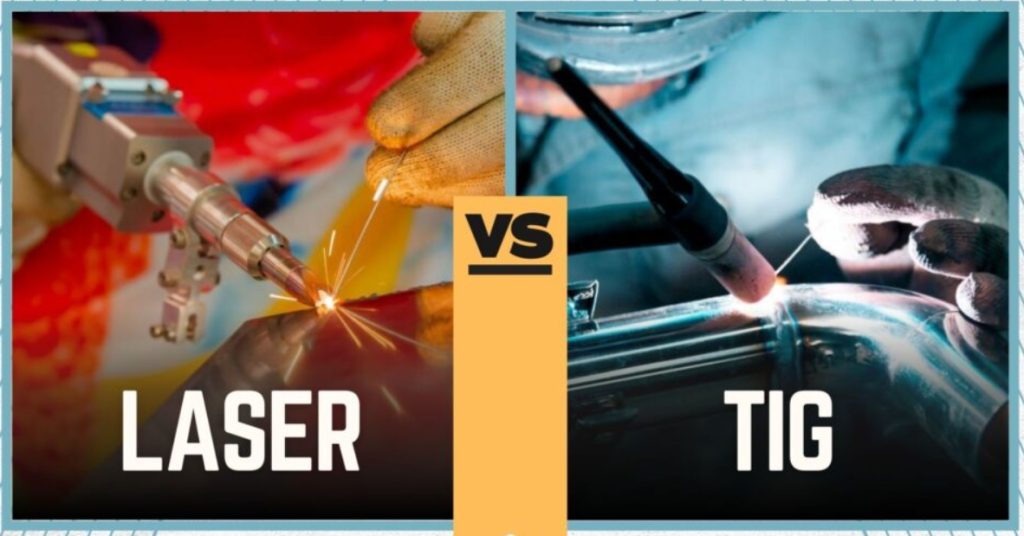
Once cost and setup are on the table, the next question is how handheld laser welding compares with the methods shops already know. A handheld laser welder is not automatically better than TIG or MIG. Each process has its own strengths. The best choice depends on the type of metal you weld, the thickness range, the finish you need, and how your shop works every day.
Where a Handheld Laser Welder Has a Clear Advantage
A handheld laser welder often performs best on thin and medium-thin metal where speed, low heat input, and weld appearance matter. It can produce narrow, clean seams with less distortion than many traditional methods. This makes it attractive for stainless steel products, sheet metal parts, decorative work, enclosures, and other visible components.
Where TIG Still Makes Sense
TIG is still a strong choice in many situations. It offers fine control and remains useful for detailed work, small parts, and jobs where the operator wants precise control over the weld pool and filler input. For shops that already have strong TIG skills and do not need major gains in speed or cleanup time, TIG may still be the more practical option.
Where MIG Is Still More Practical
MIG often remains the better fit for thicker materials, heavy fabrication, and jobs where weld appearance is less important than general productivity. If your shop mainly works on structural steel, large assemblies, or parts that will be painted or heavily finished later, MIG may still be the most practical process.
The Best Process Depends on the Job
A handheld laser welder is often worth serious attention when your shop works with thin materials, visible welds, and jobs where lower distortion and reduced cleanup bring clear value. TIG still makes sense for precise manual work. MIG still makes sense for heavier and more cost-driven fabrication. For a deeper process-by-process breakdown, see our guide to laser welding vs argon arc welding.
How ROI Fits Into the Buying Decision
ROI matters, but it is only one part of the decision. A handheld laser welder may save labor, reduce cleanup, and improve workflow, but that does not automatically mean it is the right investment for every shop. The real question is whether those savings match your actual materials, part types, and production volume.
For a full cost breakdown, payback logic, and example calculations, see our guide to calculating the ROI of a handheld laser welder.
Is It Worth It by Shop Type?
Even with those general rules, the answer still depends a lot on the kind of shop you run. For some businesses, a handheld laser welder can improve speed, weld appearance, and post-weld efficiency. For others, the return may be slower or harder to justify. Looking at shop type is one of the easiest ways to make a more realistic decision.
Small Fabrication Shops
For small fabrication shops, a handheld laser welder can be worth it if the work often involves thin stainless steel, carbon steel, or aluminum parts. It can be especially useful when the shop wants cleaner welds and less time spent grinding or polishing. However, if the budget is tight and the welding volume is low, the investment may be harder to justify.
Stainless Steel Product Manufacturers
For stainless steel product manufacturers, a handheld laser welder is often worth serious consideration. These shops usually care about weld appearance, lower distortion, and faster finishing. If the final product is visible to the customer, cleaner seams can have real value. In this type of work, the machine often fits both production needs and quality goals.
Sheet Metal and Enclosure Shops
For sheet metal and enclosure shops, the answer is often yes. These businesses commonly work with thin materials and repeated welds where speed and consistency matter. A handheld laser welder can help improve workflow while reducing cleanup after welding. That makes it a strong fit for many light fabrication environments.
General Repair Shops
For general repair shops, the answer depends on the type of repairs they handle. If the work often includes thin metal parts, clean finish requirements, or jobs where heat control matters, the machine may be a good investment. But if most repairs involve heavy steel sections or rough industrial work, the benefits may be less noticeable.
Heavy Fabrication Shops
For heavy fabrication shops, a handheld laser welder is usually less compelling. If the work mainly involves thick structural steel, large weld volume, or heavy-duty assemblies, MIG or other traditional methods may still be more practical. In these cases, the machine may offer some benefits, but not enough to become the best primary welding choice.
High-Mix, Low-Volume Job Shops
For high-mix, low-volume job shops, a handheld laser welder can be attractive because it offers a balance between flexibility and productivity. It may help these shops handle a range of parts without moving fully into robotic welding. When the work includes visible welds, thin materials, and frequent changeovers, the value can be strong.
A Simple Way to Judge Fit
In simple terms, a handheld laser welder is usually more worth it for shops that work with thin metals, care about weld appearance, and want to reduce cleanup after welding. It is usually less worth it for shops focused on thick structural work, rough repairs, or very low-cost production where cosmetic quality is not a major concern.
Questions to Ask Before You Buy
Before making a final decision, it helps to step back and look at your real production needs. A machine may look impressive in a demo, but the better question is whether it fits the kind of work your shop does every week. Asking the right questions early can help you avoid buying a machine that is too large, too limited, or simply not well matched to your jobs.
What Materials Do You Weld Most Often?
Start with the materials you handle every day. A handheld laser welder can work well on stainless steel, carbon steel, and aluminum, but the value depends on how often you weld those materials and how important weld quality is in your finished product.
What Thickness Range Do You Handle Every Week?
Material thickness is one of the most important buying factors. If most of your work is thin to medium-thin metal, a handheld laser welder may be a strong fit. If your shop mainly handles thick sections or large structural welds, the benefits may be much smaller. For more on thickness limits, see our guide on how thick a handheld laser welder can weld.
How Much Time Do You Spend on Grinding, Polishing, and Rework?
Some shops save more time after welding than during welding. If your team spends a lot of time cleaning welds, improving appearance, or correcting distortion, that extra labor should be part of the buying decision. A handheld laser welder often creates the most value when it reduces the work that comes after the weld is done.
Do Your Customers Care About Weld Appearance?
In some industries, weld appearance matters a lot. In others, it matters very little. If your customers expect clean, visible welds on stainless steel products, enclosures, furniture, or decorative parts, a handheld laser welder may offer strong value.
How Often Will the Machine Actually Be Used?
A machine only creates value when it is used often enough. Before buying, it is worth asking how many jobs each week would truly benefit from handheld laser welding. If the answer is only a few small jobs now and then, the return may be slower than expected.
Is Your Team Ready for Training and Safe Operation?
A handheld laser welder is easier to learn than TIG in many basic applications, but it still needs proper setup, operator training, and safe working habits. Before buying, think about whether your team is ready to learn the process and whether your shop can support safe operation.
Are You Buying Based on Real Need or Just New Technology Appeal?
This may be the most important question of all. Some shops look at handheld laser welding because it is newer, cleaner, and more advanced. That interest is understandable, but the better reason to buy is that it solves a real production problem.
Final Verdict: Is a Handheld Laser Welder Worth It?
Yes, a handheld laser welder can be worth it, but only when it matches the work your shop actually does. It often makes the most sense for businesses that weld thin stainless steel, carbon steel, or aluminum parts and want faster production, cleaner welds, and less grinding after welding. In these cases, the value comes not only from welding speed, but also from lower distortion, better weld appearance, and less time spent on cleanup and rework.
At the same time, a handheld laser welder is not the best choice for every shop. If your work mainly involves thick structural steel, rough industrial repairs, or jobs where weld appearance does not matter, the return may be much weaker. A higher machine price only makes sense when the machine solves real production problems and gets used often enough to create measurable value.
In the end, the best way to judge a handheld laser welder is not by hype or by machine price alone. It should be judged by fit. If it matches your materials, thickness range, workflow, and customer expectations, it can be a strong investment. If it does not match those factors, even an advanced machine may not be worth buying.
FAQs
It can be, especially if the shop often works with thin stainless steel, carbon steel, or aluminum and wants cleaner welds with less grinding. However, if welding volume is low or the budget is very limited, the investment may take longer to justify.
That depends on how often the machine is used and how much labor it saves. Shops that weld thin metal parts every day and spend a lot of time on cleanup often see value faster than shops with low welding volume or heavy structural work.
Not in every case. A handheld laser welder is often faster and cleaner on thin metal, especially when low distortion and weld appearance matter. TIG still makes sense for many detailed jobs and for shops that already have strong TIG skills.
It is usually less worth buying for shops that mainly weld thick structural steel, do rough repair work, have very low cosmetic requirements, or do not use thin-metal welding often enough to support the investment.
The biggest hidden cost is usually not one single item. It is the total setup beyond the machine price, including consumables, shielding gas, maintenance, training, and safety preparation.